Have you ever admired those perfectly polished toes and wondered how to do a pedicure yourself? Whether you’re avoiding salon visits or just enjoy a little self-care, mastering the art of a pedicure at home can make all the difference. Understanding how to do a pedicure properly not only boosts your confidence but also promotes healthy, smooth feet year-round. From soaking and scrubbing to shaping and polishing, the process is both relaxing and rewarding. This guide will walk you through each essential step, sharing insider tips that elevate your foot care routine to spa-quality results.

In this article:
Preparing Your Feet for a Pedicure
The foundation of any great pedicure begins with proper foot preparation. Start by soaking your feet in warm water mixed with gentle soap or a specialized foot soak to soften the skin and nails. Adding Epsom salts or essential oils can enhance relaxation and reduce inflammation. A good soak should last about 10 to 15 minutes, loosening dead skin and making calluses easier to address.
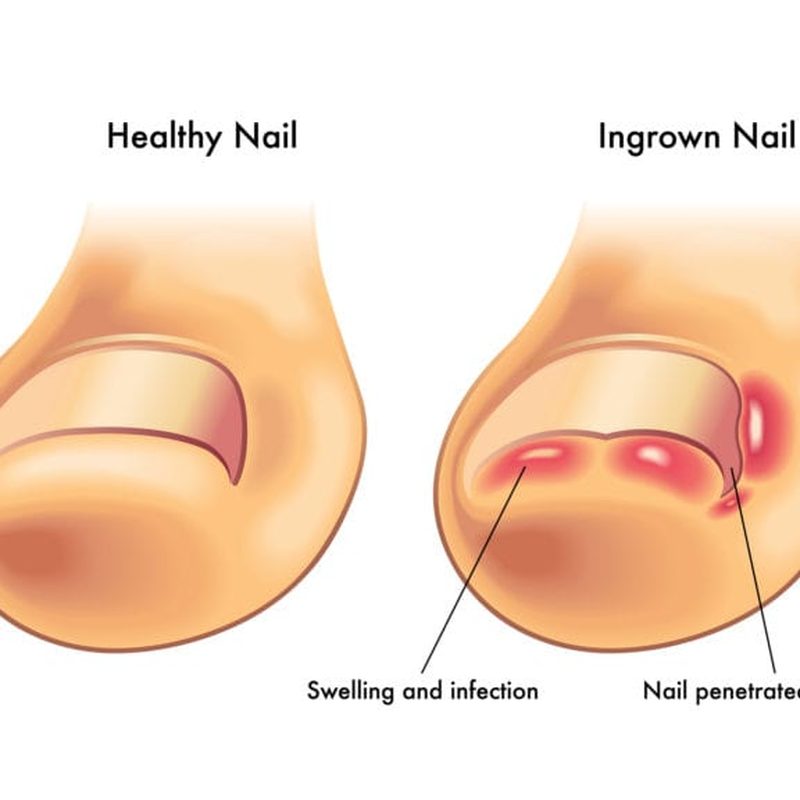
After soaking, gently dry your feet and inspect your nails for any irregularities. Trimming nails straight across prevents ingrown toenails, an important step often overlooked. If you want a deeper clean, now is the time to push back cuticles carefully using a soft cuticle pusher, but avoid cutting them to prevent infections.
Proper preparation not only improves the overall look but also ensures that subsequent steps like exfoliation and polishing go smoothly. For organic options that avoid harsh chemicals during preparation, consider organic pedicure techniques to keep your feet healthy and chemical-free.
Exfoliating and Removing Dead Skin
Once your feet are prepped, exfoliation is key to revealing smooth, radiant skin. Using a pumice stone or foot file, gently buff away calluses and rough patches, focusing on heels and balls of your feet. Avoid aggressive scrubbing, as too much pressure can cause irritation.
After exfoliating, apply a rich foot scrub or homemade sugar scrub to slough off remaining dead skin cells. Massage in circular motions for a few minutes, then rinse with warm water. This step not only refreshes your feet but also stimulates circulation, leaving your skin softer and more receptive to moisturizing treatments.
For those seeking specialized exfoliation, consider exploring how pedicures remove calluses safely, or try a paraffin wax pedicure to deeply hydrate while softening skin. The right exfoliation technique can dramatically improve your pedicure results.

Shaping and Caring for Toenails
Shaping toenails correctly is crucial for both aesthetics and nail health. After drying your feet, trim nails straight across to prevent ingrown nails, and smooth edges with a nail file. Round the corners slightly, but avoid filing too deep to reduce the risk of nail damage.
Next, gently push back cuticles with a cuticle stick, being careful not to break the skin. If cuticles are particularly stubborn, applying cuticle remover cream can help soften them for easier removal. This step helps create a clean canvas for polish and prevents infections.
For those new to nail care, it’s helpful to learn what a manicure and pedicure entail to appreciate the nuances between hand and foot nail care techniques.
Moisturizing and Massaging Your Feet
After exfoliation and nail care, moisturizing is a must for soft, supple feet. Choose a thick foot cream or lotion enriched with ingredients like shea butter or aloe vera. Apply the moisturizer liberally, working it into the skin with firm but gentle strokes.
Massaging your feet not only feels indulgent but also boosts circulation, reduces tension, and promotes relaxation. Use your thumbs to knead the arches and balls of your feet, then gently stretch each toe. This ritual helps alleviate soreness and prepares your skin for polish application.
For an elevated experience, you might want to try combining your pedicure with a foot massage and pedicure service, which can add therapeutic benefits beyond aesthetics.

Applying Polish Like a Pro
The final touch in learning how to do a pedicure is applying polish with precision. Start by wiping nails with nail polish remover to eliminate oils, which helps the polish adhere better. Then, apply a clear base coat to protect nails and create a smooth surface.
Choose your favorite polish color and apply thin, even coats. Two layers usually provide full coverage without clumping. Allow each layer to dry thoroughly before adding the next. Finish with a top coat to seal color and add shine, extending the life of your pedicure.
If you’re curious about innovative treatments, a paraffin wax pedicure can be a luxurious addition, moisturizing deeply while enhancing polish durability.
Tips for Maintaining Your Pedicure Longer
After mastering how to do a pedicure, keeping your feet looking fresh requires a bit of upkeep. Wearing open-toed shoes or flip-flops immediately after polishing helps prevent smudges. Keep your feet moisturized daily to avoid dry, cracked skin that detracts from your polish’s shine.
If your polish chips, apply a thin top coat every few days to extend its lifespan. Regularly exfoliate and hydrate your feet between pedicures to maintain softness and prevent calluses from forming again.
For specialized foot care routines, consider exploring options like medical pedicures or diabetic pedicures, which focus on safe and hygienic maintenance for sensitive feet.
Frequently Asked Questions
How do you give a pedicure at home?
Giving a pedicure at home involves soaking your feet, exfoliating dead skin, trimming and shaping nails, pushing back cuticles, moisturizing, and applying polish. Using quality tools and taking your time ensures a professional-looking finish.
How often should I get a pedicure?
Most people benefit from a pedicure every 4 to 6 weeks to maintain nail health and smooth skin. However, frequency can vary depending on your activity level and foot care needs.
Can I do a pedicure if I have foot problems like calluses or ingrown nails?
It’s best to consult a podiatrist or opt for a medical pedicure for conditions like thick calluses or ingrown nails. Professional care ensures safe treatment without risking infection or injury.
What is a paraffin wax pedicure?
A paraffin wax pedicure involves dipping feet in warm wax to deeply moisturize and soften skin. This treatment enhances hydration and helps polish last longer, providing a spa-like experience.
Are pedicures safe during pregnancy?
Pedicures are generally safe during pregnancy if proper hygiene is maintained. Some salons offer pregnancy-safe options to avoid harsh chemicals and ensure comfort.
Learning how to do a pedicure empowers you to care for your feet with confidence and style. By following these expert steps, you can achieve salon-quality results at home, keeping your feet healthy, soft, and beautifully polished. Ready to treat yourself? Gather your tools, and start your ultimate foot care routine today!