It’s frustrating when common foot issues like cracked heels, fungal infections, or persistent discomfort disrupt your daily life. If you’ve found yourself asking, “where can I get a medical pedicure?” you’re not alone. Many people seek this specialized service that goes beyond a traditional pedicure by addressing medical concerns with professional care. Whether you need relief from nail fungus, diabetic foot care, or simply want healthier feet, a medical pedicure offers targeted treatment and hygiene standards that regular salons often can’t provide.
In this guide, we’ll explore where to find qualified providers across the United States, what to expect during your visit, and why medical pedicures are gaining popularity for those prioritizing both wellness and aesthetics. Knowing where to turn makes all the difference in getting effective, safe foot care.

In this article:
- What Is a Medical Pedicure and Who Should Consider It?
- Where Can I Get a Medical Pedicure? Finding the Right Provider
- Benefits of Choosing a Medical Pedicure Over Traditional Pedicures
- What to Expect During Your Medical Pedicure Appointment
- Tips for Choosing the Best Medical Pedicure Near You
- How Medical Pedicures Complement Overall Foot Health Maintenance
What Is a Medical Pedicure and Who Should Consider It?
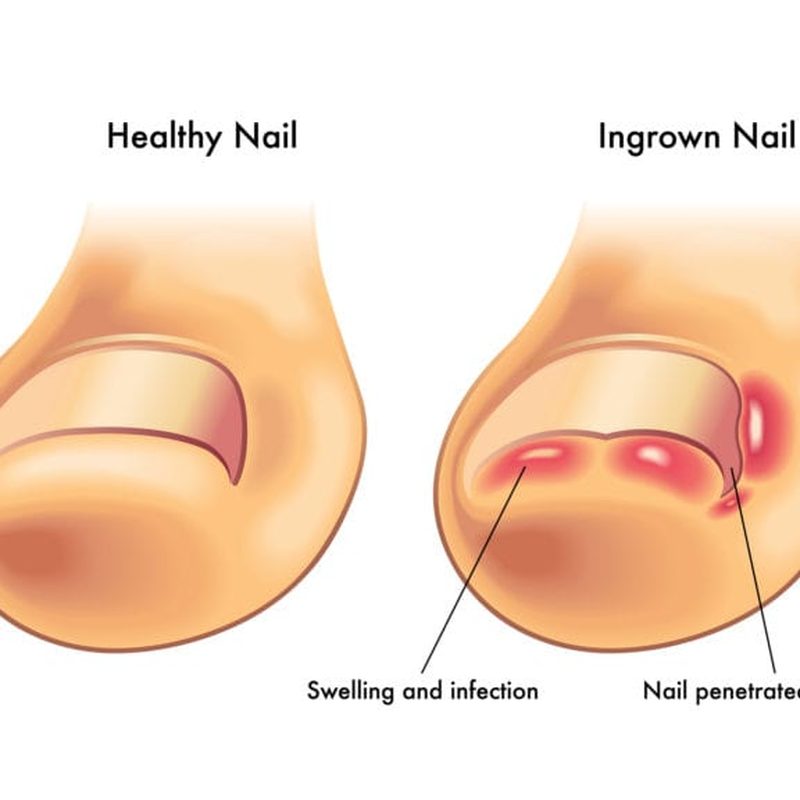
A medical pedicure is a foot care treatment performed by licensed professionals such as podiatrists or trained nail technicians working under medical supervision. Unlike a spa pedicure focused purely on aesthetics, medical pedicures address foot health issues like fungal infections, ingrown nails, calluses, and skin conditions.
People with diabetes, circulatory problems, or chronic foot pain often benefit the most from medical pedicures because the process includes thorough cleansing, safe nail trimming, and monitoring for infections or abnormalities. Additionally, those with active foot infections or recent foot surgeries should seek this specialized care to avoid complications.
Ultimately, medical pedicures combine therapeutic foot care with gentle cosmetic improvements, offering a safe option for anyone needing more than just a cosmetic fix.
Where Can I Get a Medical Pedicure? Finding the Right Provider
When searching for where can I get a medical pedicure, it’s essential to look for clinics or nail salons affiliated with medical professionals. Podiatry offices often offer medical pedicures as part of their foot care services, ensuring that treatments are carried out by experts familiar with foot anatomy and conditions.
Additionally, specialized medical spas and upscale nail salons with licensed foot care specialists are increasingly offering medical pedicures. These providers follow strict hygiene protocols and use medical-grade tools to prevent infections and handle delicate foot issues safely.
For convenience, you can start by searching online for podiatrist offices or medical pedicure salons near you. Reviews and certifications will help identify trustworthy locations. For example, you might explore options in larger metropolitan areas where foot care services are more diverse and accessible.

Benefits of Choosing a Medical Pedicure Over Traditional Pedicures
Medical pedicures provide benefits that go beyond the cosmetic appeal of traditional salon treatments. One significant advantage is the use of sterile instruments and techniques designed to minimize infection risks, especially important for clients with compromised immune systems.
Furthermore, medical pedicures include a thorough examination of the feet, helping to detect early signs of issues like fungal infections or skin disorders. This proactive approach can prevent more severe problems down the road.
Many clients also appreciate that medical pedicures cater to sensitive or problematic feet, offering treatments that relieve pain and improve foot function while maintaining appearance. This dual focus on health and beauty makes medical pedicures a smart investment for long-term foot wellness.
What to Expect During Your Medical Pedicure Appointment
Understanding what happens during your visit can ease any anxiety about getting a medical pedicure. Typically, your session begins with a consultation where the foot care specialist assesses your foot health, discussing any concerns or medical conditions.
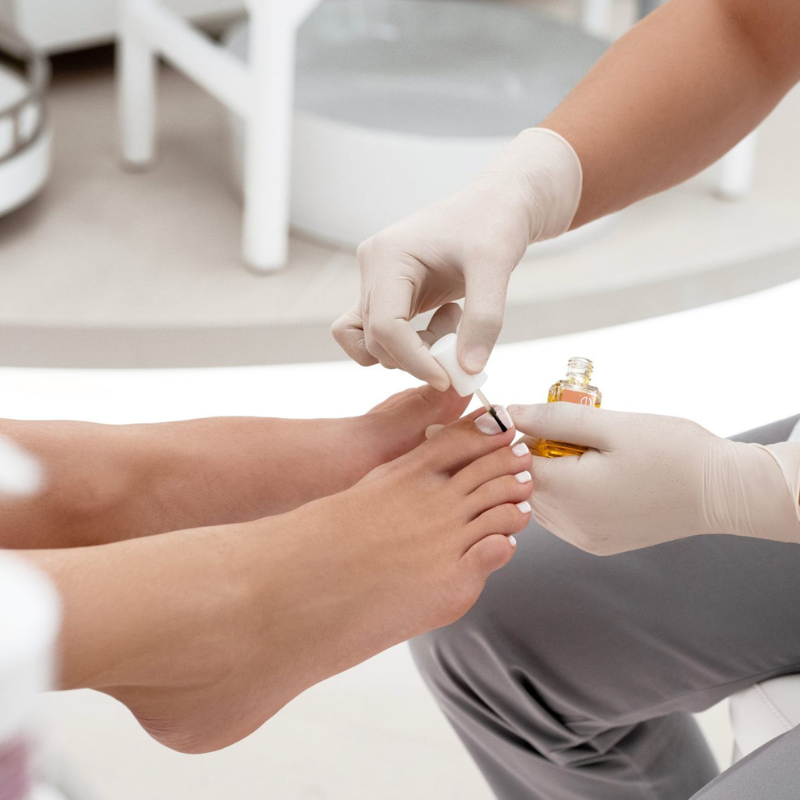
Next, the technician will clean and disinfect your feet, carefully trim and shape your nails, and address specific issues like calluses or thickened skin using precise medical tools. Throughout the process, sterile instruments are used, and gloves are worn to ensure safety.
Depending on your needs, treatments may include antifungal applications, moisturizing therapies, or protective bandaging. Finally, the pedicure often concludes with advice on at-home foot care and recommendations for follow-up visits to maintain foot health.

Tips for Choosing the Best Medical Pedicure Near You
Choosing the best medical pedicure provider involves more than just location. Look for practitioners with relevant certifications, such as licensed podiatrists or nail technicians trained in medical pedicures. Credentials ensure proper knowledge of foot anatomy and hygiene standards.
Additionally, check for salons or clinics that maintain strict cleanliness protocols, including disposable tools or rigorous sterilization. This information is often available on their websites or by phone.
Personal recommendations and online reviews can also guide your decision. For an insider perspective, explore articles like Where to Get a Medical Pedicure: Expert Tips and Locations to find vetted spots offering quality care across the US.
How Medical Pedicures Complement Overall Foot Health Maintenance
Medical pedicures are an essential part of a comprehensive foot health strategy. Regular appointments allow early detection of issues like fungal infections, ingrown toenails, or dry, cracked skin, which can escalate if left untreated.
Moreover, medical pedicures support circulation and skin hydration, which is vital for people with diabetes or circulatory challenges. The gentle treatments reduce discomfort and promote healing.
In combination with daily foot hygiene and proper footwear, medical pedicures can help you maintain healthy, comfortable feet year-round. For more related foot care treatments, consider exploring Pedicure for Elderly Near Me: Safe & Comfortable Foot Care which highlights specialized care for sensitive feet.
Frequently Asked Questions
What makes a medical pedicure different from a regular pedicure?
A medical pedicure focuses on treating foot health issues using sterile tools and medically approved techniques. It often involves a foot health assessment and addresses problems like fungal infections, ingrown nails, or calluses, unlike regular pedicures which are mainly cosmetic.
Can people with diabetes get a medical pedicure?
Yes, medical pedicures are especially recommended for people with diabetes because specialists take extra precautions to avoid infections and foot injuries, providing safe and tailored care that supports their sensitive foot health needs.
How do I find a certified medical pedicure provider near me?
Look for podiatry clinics or nail salons with licensed foot care specialists offering medical pedicures. Checking their certifications, hygiene practices, and customer reviews online can help ensure you find a trustworthy provider.
Are medical pedicures covered by insurance?
Insurance coverage varies and often depends on whether the service is deemed medically necessary. Some podiatry offices may bill insurance if the pedicure is part of a prescribed treatment plan, but standard medical pedicures at salons usually are not covered.
How often should I get a medical pedicure?
Frequency depends on your foot health needs. Generally, every 4 to 6 weeks is recommended for maintaining healthy feet, but those with chronic conditions might require more frequent visits as advised by their foot care professional.
Knowing where can I get a medical pedicure is the first step toward healthier, pain-free feet. By choosing qualified providers, you ensure treatments that address your specific foot needs safely and effectively. Whether you’re managing a medical condition or seeking premium foot care, medical pedicures offer a valuable blend of health and beauty. Start your search today and take a confident step toward better foot wellness.