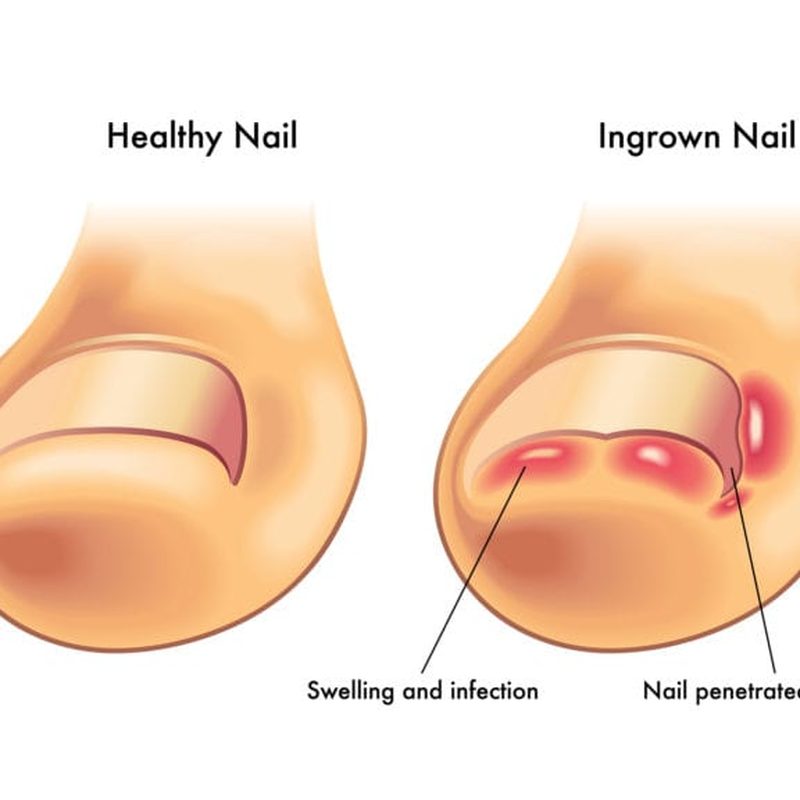
For many, the soothing ritual of a pedicure is an essential part of self-care—but is it ok to get a pedicure every 2 weeks? If you find yourself scheduling foot pampering sessions that often, you might wonder whether this frequency is beneficial or potentially harmful. From concerns about nail health to the impact on your skin and cuticles, understanding the pros and cons can help you decide the best routine for your feet. Whether you are a pedicure enthusiast or someone just starting to explore nail care, this guide will provide expert insights into the ideal pedicure schedule to keep your feet healthy and looking their best.
In this article:
- Understanding the Benefits of Frequent Pedicures
- Is It Ok to Get a Pedicure Every 2 Weeks? Potential Risks to Consider
- How to Maintain Foot Health Between Pedicure Appointments
- Choosing the Right Pedicure Type for Frequent Visits
- How to Know If Getting a Pedicure Every 2 Weeks Is Right for You
- Tips for Extending the Benefits of Your Pedicure
Understanding the Benefits of Frequent Pedicures
Getting a pedicure every 2 weeks can offer several benefits beyond just aesthetics. Regular pedicures help maintain proper nail hygiene, preventing common issues like ingrown toenails and fungal infections. Additionally, the exfoliation and moisturizing involved improve skin softness and overall foot health, which is especially important for people who spend a lot of time on their feet.
Frequent pedicures also allow early detection of foot problems. Trained nail technicians can spot abnormalities such as thickened nails, discoloration, or dry skin that might require medical attention. This proactive approach can prevent minor issues from escalating into chronic conditions.
Moreover, the routine can boost your mental well-being. The ritualistic nature of pedicures offers stress relief and relaxation, which contributes to overall health. However, it’s essential to weigh these benefits against any potential risks linked to frequent treatments.
Is It Ok to Get a Pedicure Every 2 Weeks? Potential Risks to Consider
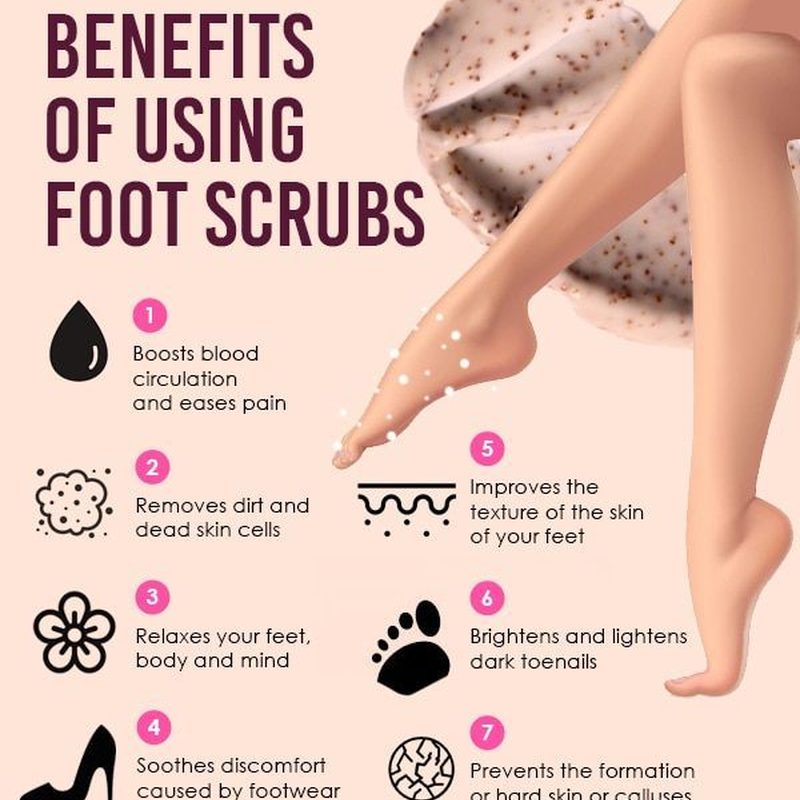
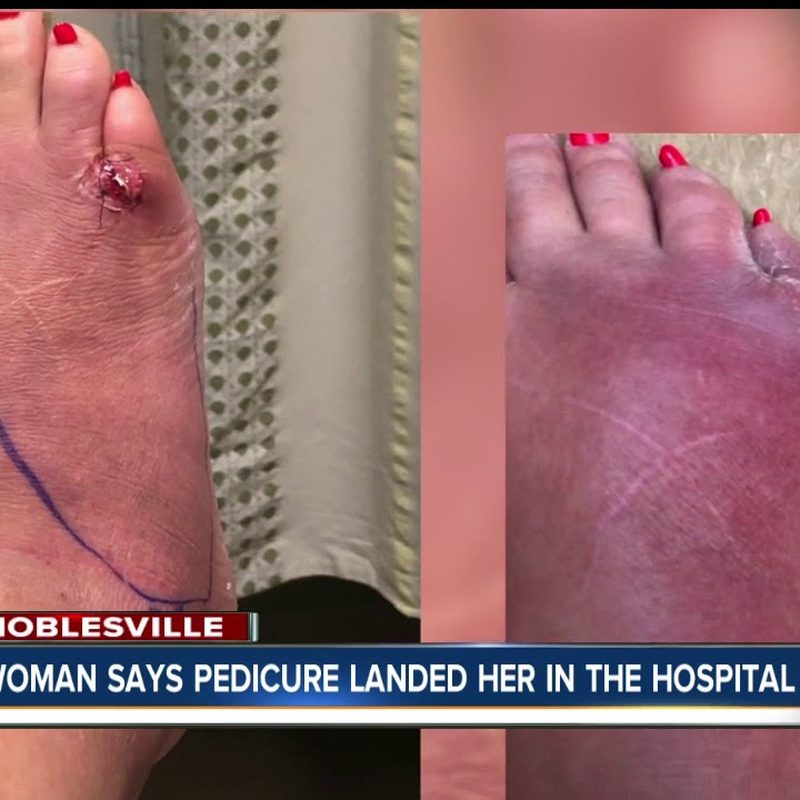
While many enjoy biweekly pedicures, it is important to recognize the potential risks associated with such frequent treatments. Overexfoliation and excessive trimming of cuticles can lead to irritation, dryness, or even infections if the salon’s sanitation standards are not properly upheld.
Repeated exposure to water and chemicals in nail products might weaken your nails over time, causing brittleness or peeling. This risk is increased if you often opt for gel or acrylic finishes, which require removal processes that can damage the nail plate.
To minimize these risks, ensure that your nail technician follows strict hygiene protocols and that you give your nails occasional breaks from polish or enhancements. If you notice redness, swelling, or persistent discomfort after pedicures, consult a professional to avoid worsening conditions.
How to Maintain Foot Health Between Pedicure Appointments
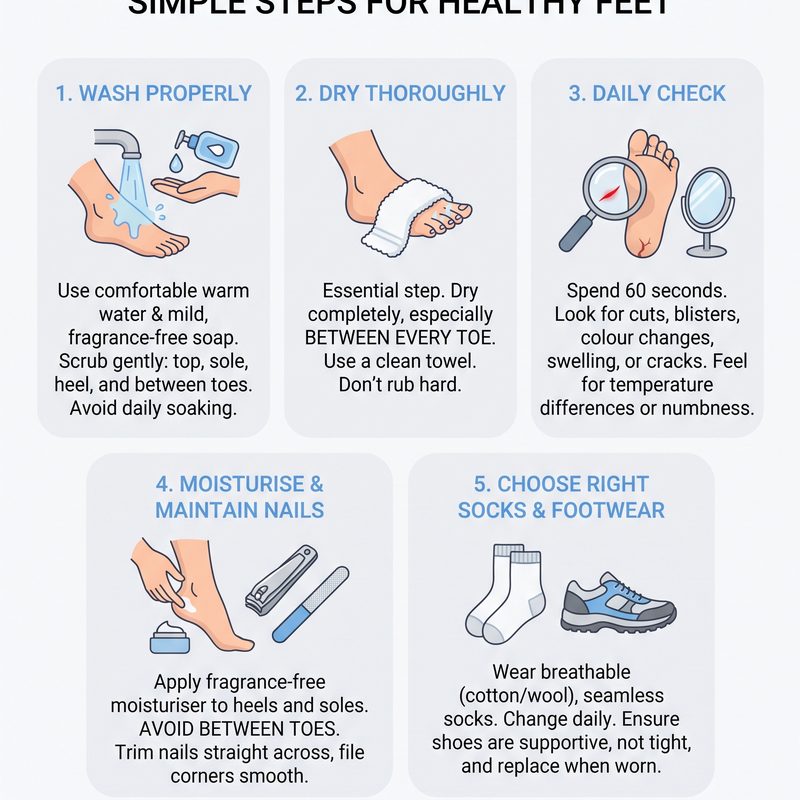
Maintaining foot health between pedicure visits is essential, especially if you schedule them every two weeks. Daily moisturizing with foot creams containing urea or shea butter helps keep skin hydrated and prevents cracking. Regular exfoliation at home can also complement professional treatments without overdoing it.
Wearing breathable, well-fitted shoes and clean socks reduces moisture buildup and fungal risks. Additionally, practicing proper nail trimming—straight across and not too short—helps avoid ingrown toenails, reducing the need for corrective pedicure interventions.
For those interested in learning more about proper foot care routines, exploring services like medical pedicures can provide expert guidance tailored to your specific needs.
Choosing the Right Pedicure Type for Frequent Visits
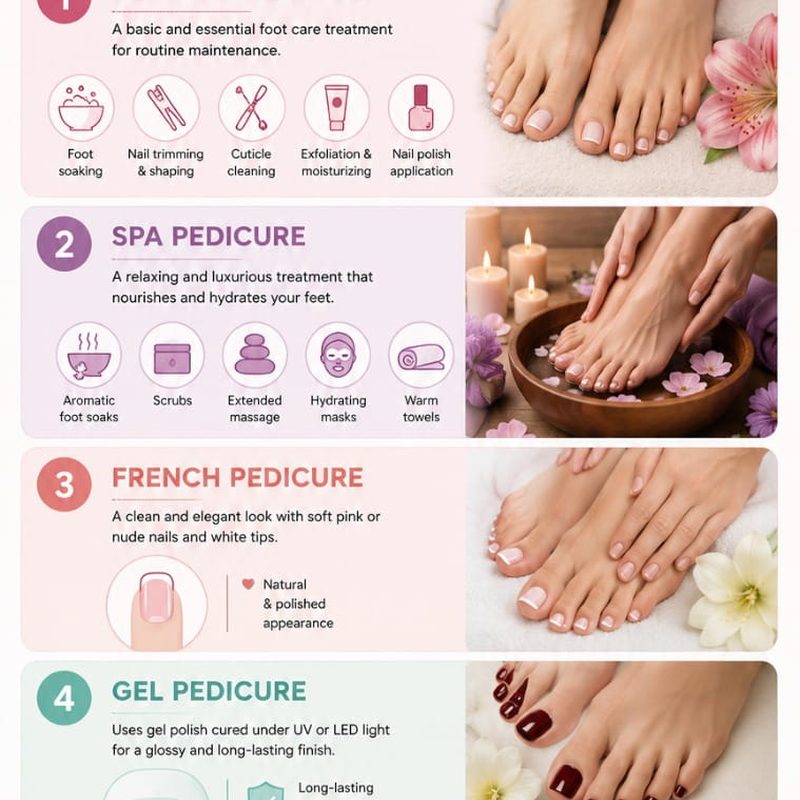
Not all pedicures are created equal, and selecting the right type can make getting a pedicure every 2 weeks more beneficial than harmful. Basic or maintenance pedicures focus on nail trimming, cuticle care, and light exfoliation, making them gentler and suitable for frequent visits.
On the other hand, more intensive treatments like paraffin pedicures or gel polish applications should be spaced out to avoid overexposure to heat or chemicals. Frequent gel polish use, for example, may necessitate careful removal to prevent nail damage.
For those seeking a balance between luxury and care, exploring specialized treatments such as paraffin pedicures or even medical pedicures can help address specific concerns while supporting healthy nail growth.
How to Know If Getting a Pedicure Every 2 Weeks Is Right for You
Determining whether it’s okay to get a pedicure every 2 weeks depends on your individual foot health, lifestyle, and preferences. If your feet tend to dry out or you wear open shoes often, more frequent pedicures might help maintain comfort and appearance.
Nevertheless, if you have underlying foot conditions such as diabetes, neuropathy, or persistent fungal infections, it’s wise to consult with a podiatrist before establishing a frequent pedicure routine. They may recommend specialized care like medical pedicures for toenail fungus to ensure safe treatment.
Ultimately, listen to your body. If your nails feel weak, skin becomes irritated, or you experience discomfort, consider spacing out appointments or adjusting the treatments you receive. A good nail technician will tailor your sessions to meet your needs while protecting your foot health.
Tips for Extending the Benefits of Your Pedicure
To maximize the benefits of your pedicure, especially when visiting every 2 weeks, simple aftercare practices can make a significant difference. Avoid walking barefoot in public places to reduce infection risks, and use antifungal powders or sprays if you are prone to athlete’s foot.
Regularly changing your socks and keeping your shoes clean prevents bacteria and fungi buildup. Additionally, moisturizing daily and protecting your feet from harsh weather conditions help maintain smooth, supple skin.
If you want to explore more about foot care options and salon services, check out resources like finding the best foot pedicure spa near me, which can elevate your pedicure experience with expert care and comfort.
Frequently Asked Questions
Can frequent pedicures damage my nails?
Frequent pedicures can potentially damage nails if done improperly or without sufficient care. Over-trimming cuticles, excessive buffing, and repeated exposure to harsh chemicals may weaken nails. To avoid damage, choose a reputable salon, allow breaks between treatments, and communicate any discomfort or issues with your nail technician.
How often should I get a pedicure if I want healthy feet?
For most people, getting a pedicure every 3-4 weeks is sufficient to maintain healthy feet and nails. However, if your feet require extra attention due to dryness, calluses, or frequent wear of open-toe shoes, scheduling every 2 weeks may be appropriate with gentle treatments tailored to your needs.
Are medical pedicures better for frequent treatments?
Medical pedicures performed by trained professionals focus on foot health rather than cosmetics and are ideal for people needing specialized care. They can be safer for frequent treatments, especially if you have foot conditions or concerns like toenail fungus. Learn more about medical pedicures here.
What should I do if my feet feel irritated after a pedicure?
If you experience redness, swelling, or irritation after a pedicure, rinse your feet with cool water and avoid applying polish or creams until symptoms subside. If irritation persists or worsens, consult a healthcare professional to rule out infection or allergic reactions.
Is it better to get a gel pedicure or a classic one when visiting frequently?
Classic pedicures are generally gentler and better suited for frequent visits. Gel pedicures, while longer-lasting, require removal processes that can weaken nails. If you prefer gel, allow your nails time to recover between applications and ensure removal is done safely to maintain nail health.
Ultimately, the question of is it ok to get a pedicure every 2 weeks depends on your individual foot health and how your nails respond to treatment. With proper care, hygiene, and selecting the right pedicure type, frequent sessions can keep your feet looking and feeling their best. Prioritize communication with your nail technician and listen to your body’s signals to enjoy the benefits of regular pampering safely. Ready to elevate your foot care routine? Consider scheduling your next appointment with a trusted salon or explore various pedicure options to find the perfect fit for you.