Nothing feels quite as refreshing as slipping into your favorite sandals with feet that look and feel pampered. But knowing how to do pedicure properly can make all the difference between a rushed, uneven job and a salon-worthy finish. Whether you’re preparing for sandal season or just want to indulge in a bit of self-care, learning the right techniques ensures your feet stay soft, healthy, and polished.
This guide will walk you through how to do pedicure at home or enhance your experience at a nail salon. From soaking your feet to choosing the right polish, every step matters for achieving that flawless look—and preventing common foot issues. Ready to step up your foot care routine? Let’s dive in.
In this article:
- Preparing Your Feet: The Essential First Step in How to Do Pedicure
- Mastering Cuticle Care for a Polished Pedicure Finish
- How to Do Pedicure at Home: Choosing the Right Tools and Products
- Step-by-Step Polish Application for a Flawless Pedicure
- Maintaining Your Pedicure: Tips to Keep Your Feet Looking Fresh
- When to Visit a Professional Nail Salon for Pedicure Care
Preparing Your Feet: The Essential First Step in How to Do Pedicure
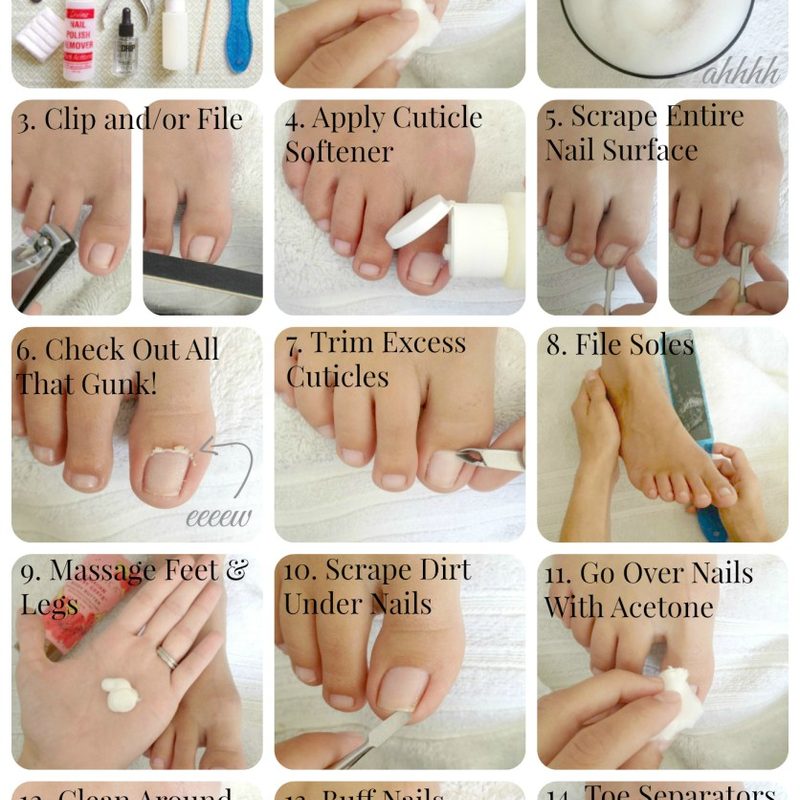
Preparing your feet properly sets the foundation for an effective pedicure. Start by soaking your feet in warm water mixed with gentle soap or a foot soak solution for about 10-15 minutes. This softens the skin and cuticles, making them easier to care for while providing a relaxing pause.
After soaking, dry your feet thoroughly, then use a pumice stone or foot file to gently exfoliate rough patches, especially on the heels and balls of your feet. This step smooths calluses and helps prevent cracks, which can be painful if left untreated. Be gentle to avoid irritating sensitive skin.
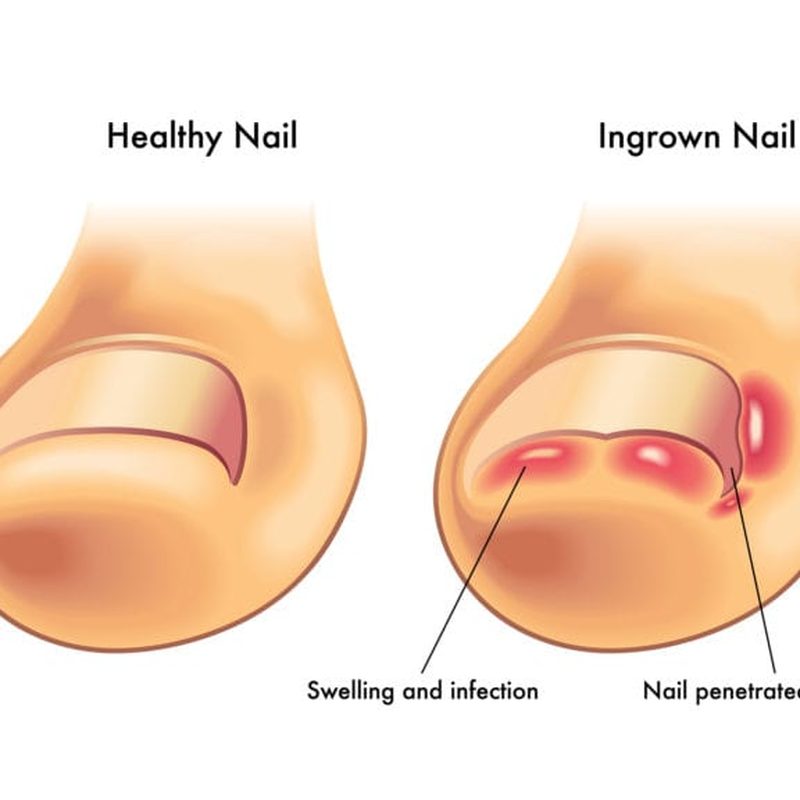
Prepping your nails is just as important. Trim and shape toenails straight across to reduce the risk of ingrown nails. Use a nail brush to clean under the nails, removing dirt and debris for a hygienic base before moving on to cuticle care.

Mastering Cuticle Care for a Polished Pedicure Finish
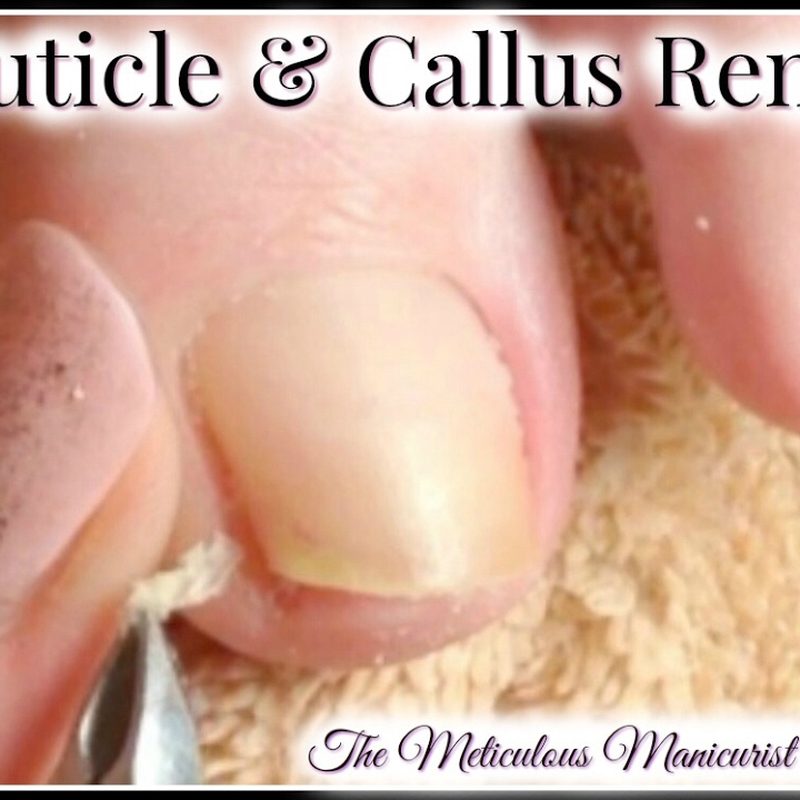
Cuticles protect your nails from infection, but they also need gentle care during a pedicure. After soaking, apply cuticle remover to soften the skin around the nails and wait a minute before gently pushing cuticles back with a cuticle pusher or orangewood stick.
Avoid cutting cuticles, as this can lead to irritation or infection. Instead, remove only the loose skin and hangnails with a cuticle nipper if necessary. Taking your time here helps keep nails healthy and prevents painful hangnail mishaps.
Once done, cleanse the nail area again and apply a nourishing cuticle oil or moisturizer. This hydrates the skin and keeps nails looking fresh, creating a smooth canvas for polish application.
How to Do Pedicure at Home: Choosing the Right Tools and Products
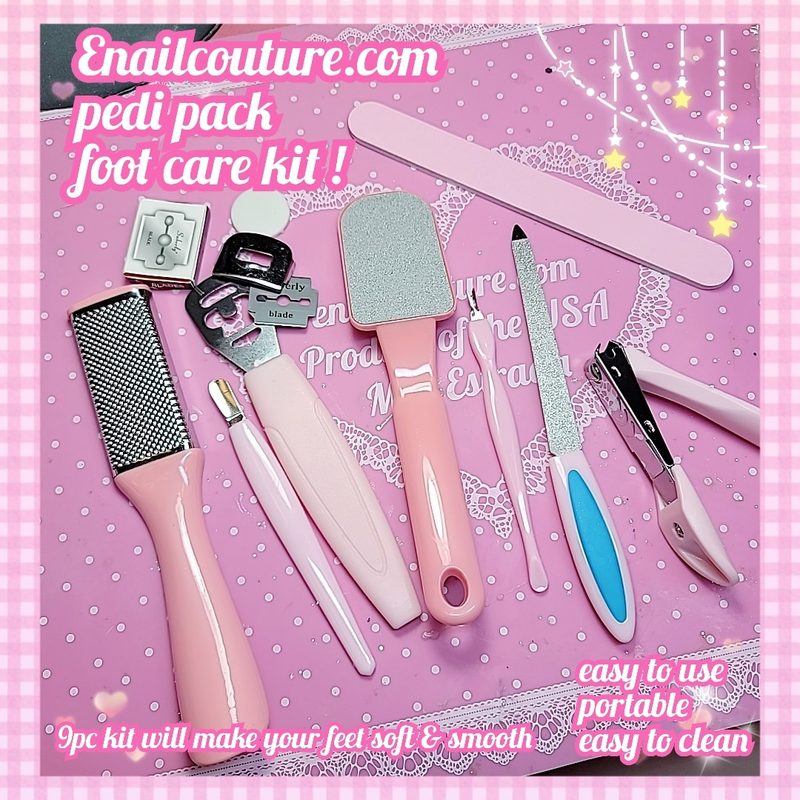
Knowing how to do pedicure at home means having the right tools within reach. Invest in quality nail clippers, a foot file, cuticle pusher, buffer, and a good base and top coat polish. Clean tools before each use to avoid infections—soaking metal instruments in rubbing alcohol is a simple and effective method.
When selecting polish, consider long-lasting formulas or those with strengthening ingredients to protect nails from damage. A neutral or classic nude shade offers versatility, but don’t shy away from bold colors if you want your feet to stand out.
For at-home pedicure enthusiasts, a well-organized kit simplifies the process. You might also try a pedicure in a box set, designed with everything you need for a spa-quality experience right at home.
Step-by-Step Polish Application for a Flawless Pedicure
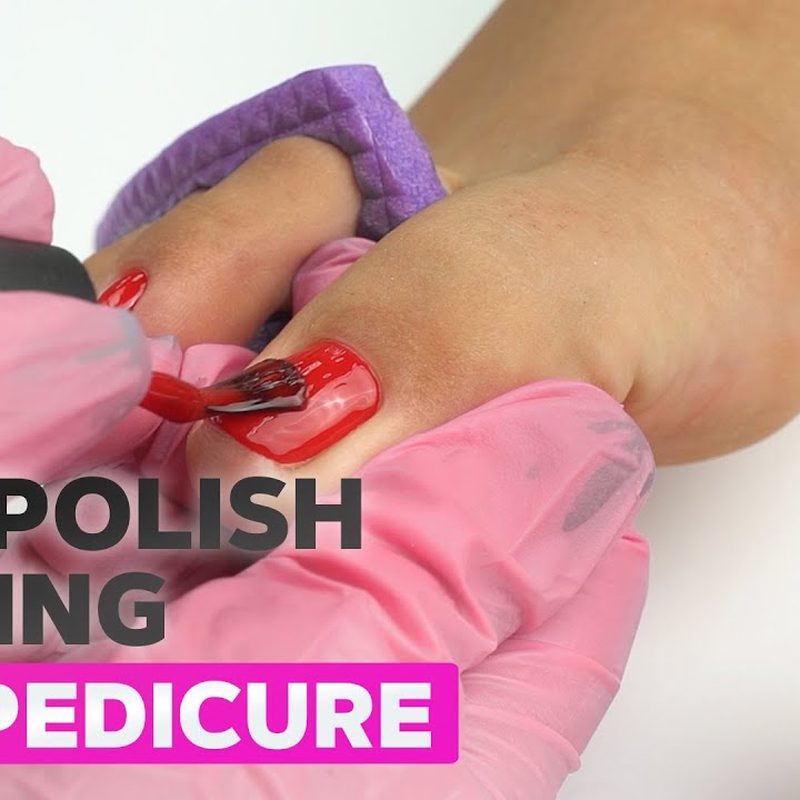
Applying polish correctly is crucial to achieving a professional look. Begin with a clear base coat to protect your nails and improve polish adhesion, preventing chips. Let each coat dry thoroughly before applying the next to avoid streaks or smudges.
Next, apply two thin layers of your chosen polish color. Thin coats dry faster and last longer than thick, uneven ones. Use smooth, even strokes starting from the base of the nail to the tip, taking care not to flood the cuticles.
Seal your work with a quality top coat to add shine and extend the wear time. For extra durability, consider a quick-dry top coat or one formulated for pedicures. Lastly, moisturize your feet and cuticles to complete the look and keep skin soft.
Maintaining Your Pedicure: Tips to Keep Your Feet Looking Fresh
After learning how to do pedicure and achieving that perfect finish, maintenance is key. Moisturize your feet daily with a rich cream or oil to prevent dryness and cracking. Avoid walking barefoot on rough surfaces that can damage nails or chip polish.
To extend the life of your pedicure, wear socks after applying polish to protect your nails from getting scuffed. If chips occur, spot-touch them immediately to keep your pedicure looking salon-fresh.
If you prefer professional care, consider exploring options like affordable pedicure packages near me to maintain your feet regularly without breaking the bank.
When to Visit a Professional Nail Salon for Pedicure Care
While DIY pedicures are rewarding, sometimes professional care is necessary, especially if you have persistent foot issues like thick calluses, infections, or ingrown nails. Nail salon pedicures provide expert treatment and luxurious relaxation, often using specialized tools and products not available at home.
Scheduling regular appointments at a reputable salon can improve foot health, particularly if you have diabetes or circulation problems. Many salons now offer targeted treatments like reflexology or senior pedicures tailored to specific needs.
To find trusted services, check out reviews or ask for recommendations. You might also explore pedicure places near me that accept walk-ins for convenience and quick care.
Frequently Asked Questions
How often should I do a pedicure at home?
For most people, doing a pedicure every 2-4 weeks is ideal to maintain healthy feet and nails. This schedule helps keep calluses under control and nails neatly trimmed, while giving you time to recover between treatments.
What is the best way to prevent ingrown toenails during a pedicure?
Trimming toenails straight across and avoiding cutting them too short are key steps to prevent ingrown nails. Also, never cut or push back cuticles aggressively, as this can lead to infections.
Can I do a pedicure if I have dry or cracked heels?
Yes, but extra care is needed. Soak feet longer to soften the skin, exfoliate gently with a pumice stone, and apply a thick moisturizer or heel balm daily. Regular pedicures can improve rough skin over time.
What tools do I need for a basic at-home pedicure?
A basic pedicure kit includes nail clippers, a foot file or pumice stone, cuticle pusher, nail buffer, and quality nail polish with base and top coat. Keeping tools clean prevents infection.
Is it better to get a pedicure at a salon or do it myself?
Both options have benefits. DIY pedicures are convenient and cost-effective, while salon visits offer professional care and relaxation. For complex foot issues, a salon pedicure is often safer and more effective.
Mastering how to do pedicure is a rewarding step toward keeping your feet healthy, soft, and beautifully polished. Whether you prefer a relaxing salon visit or a pampering at-home session, the right techniques and care make all the difference. Start your foot care routine today and enjoy confidently showing off your flawless feet this season.