Have you ever wondered what happens during a pedicure the moment you settle into the salon chair? Whether you’re a regular or considering your first visit, understanding the process can ease any nerves and enhance your experience. Knowing what to expect during a pedicure helps you appreciate the blend of care, hygiene, and pampering involved in this essential beauty ritual.
From soaking your feet to the final polish, every step is designed to rejuvenate tired feet and promote healthy nails. This guide will walk you through what happens during a pedicure, demystifying the process and highlighting its benefits for both aesthetics and foot health.
In this article:
- The Initial Foot Soak: Preparing for a Relaxing Pedicure
- What Happens During a Pedicure: Nail and Cuticle Care
- Exfoliation and Callus Removal: Renewing Your Skin
- Moisturizing and Massage: The Ultimate Relaxation
- Polish Application and Finishing Touches: Adding Style
- Understanding the Professional Pedicure Process and Its Benefits
The Initial Foot Soak: Preparing for a Relaxing Pedicure
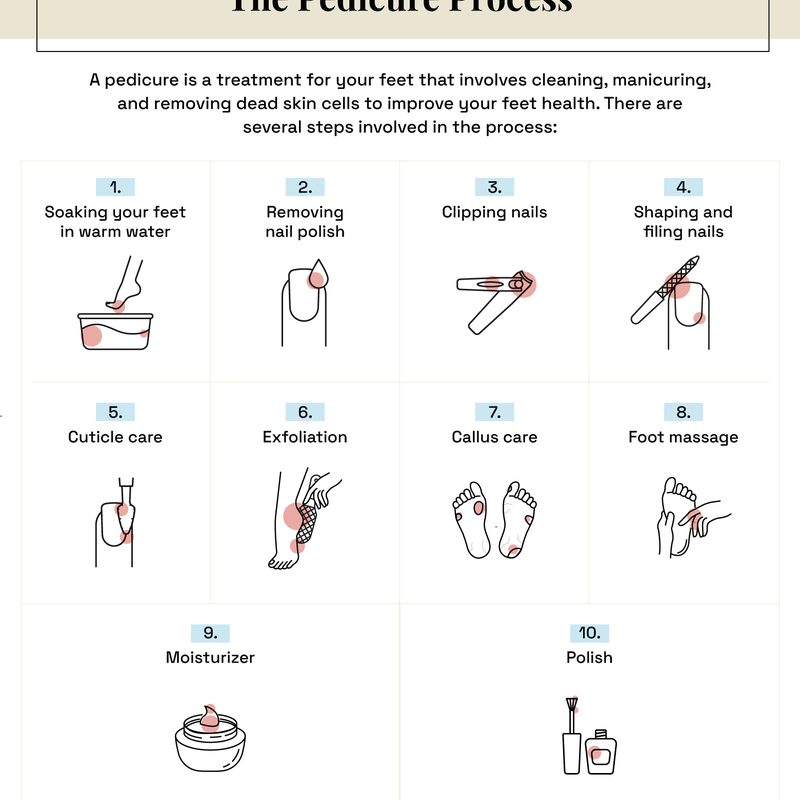
Almost every pedicure begins with a soothing foot soak. This step softens the skin, making it easier to exfoliate later and provides a relaxing moment to unwind. Depending on the salon, the soak might include essential oils, salts, or other nourishing ingredients tailored to your skin’s needs.
During this phase, your feet absorb moisture, which also helps loosen any dead skin or calluses. This makes the next steps more effective and comfortable. For guidance on how long to soak your feet at home, you can check out expert advice on how long to soak feet for pedicure, which offers great tips for in-between salon visits.
This initial soak not only prepares your feet physically but also sets the tone for the indulgence and care ahead, helping ease foot tension and stress.

What Happens During a Pedicure: Nail and Cuticle Care
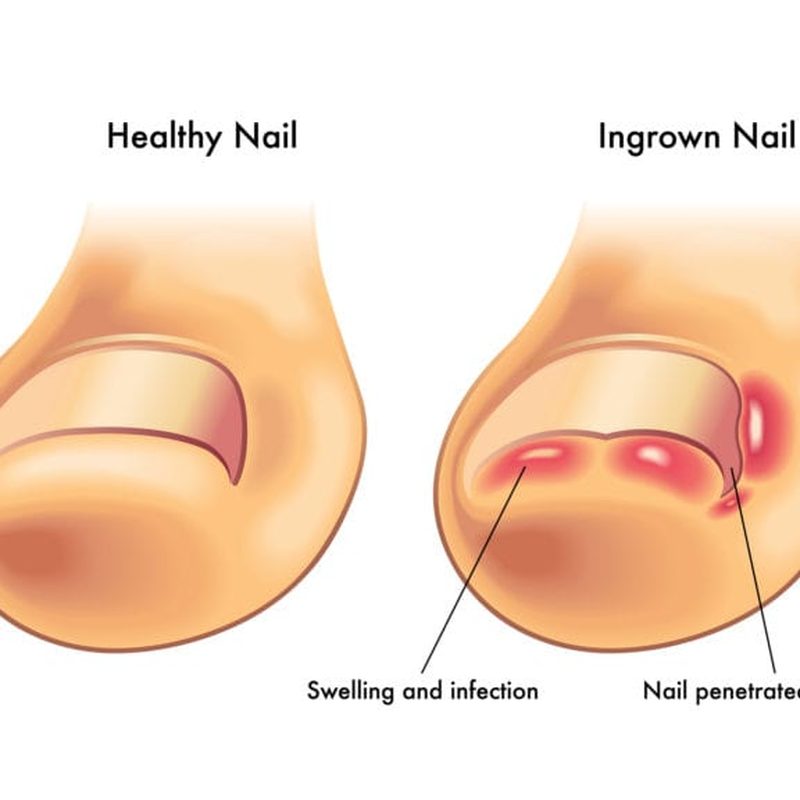
Once your feet are softened, the technician usually starts with nail care. This involves trimming and shaping the toenails to your desired length and style—usually a rounded or square shape that suits your toes best. Proper nail shaping prevents issues like ingrown toenails and promotes even nail growth.
Cuticle care is equally important. Your technician gently pushes back or trims excess cuticle to clean the nail bed. This step helps prevent infections and gives a polished, neat appearance. It’s also common to treat the nails with a buffer to smooth ridges and add shine before applying any color.
During this stage, the technician may also inspect your nails and skin for any concerns, offering advice or recommending a medical pedicure if necessary. If you’re interested, salons often provide specialized options like medical pedicures for advanced foot care needs.
Exfoliation and Callus Removal: Renewing Your Skin
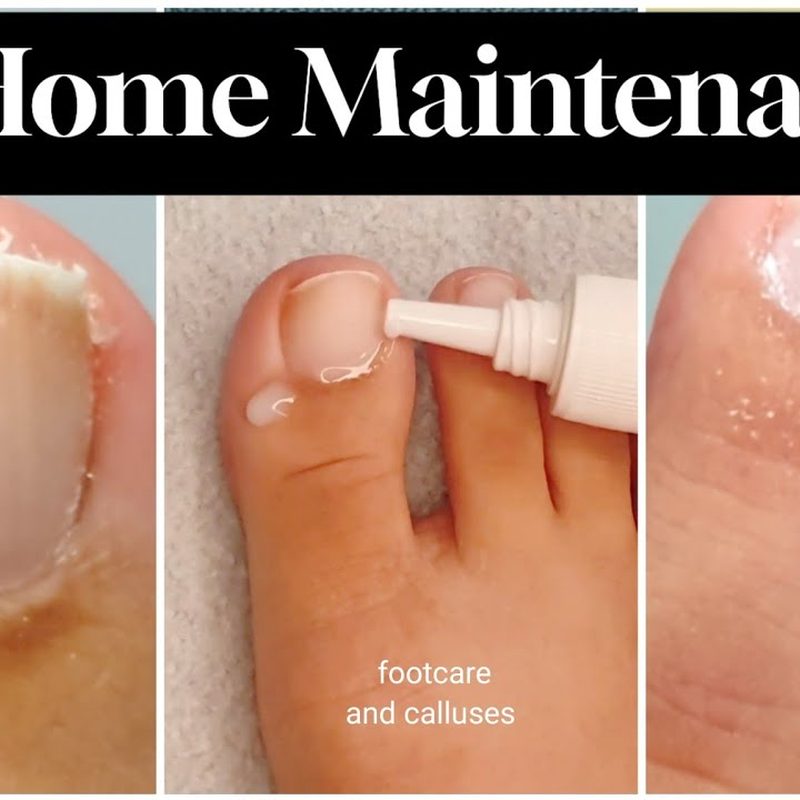
After nail care, exfoliation is the next key step to smooth rough skin. Pedicures often include scrubs or pumice stones to remove dead skin, focusing on common problem areas like heels and balls of the feet. This process helps prevent calluses from thickening, which can cause discomfort over time.
More intensive pedicures might feature specialized tools or foot files to gently remove hardened skin layers. This step not only improves skin texture but also promotes circulation, leaving your feet feeling fresh and rejuvenated.
Some salons offer paraffin wax treatments after exfoliation, which deeply hydrates and softens the skin. For a luxurious option near you, consider exploring options like a paraffin pedicure that adds warmth and moisture.

Moisturizing and Massage: The Ultimate Relaxation
Once your feet are clean and exfoliated, a rich moisturizing treatment follows. The technician applies creams or lotions specifically formulated to hydrate, nourish, and protect the skin. This step helps lock in moisture and prevents dryness, especially in winter or dry climates.
Many pedicures include a massage focusing on the feet, ankles, and lower legs. This massage relieves tension, stimulates circulation, and enhances overall relaxation. It’s a favorite part of the process for many clients, turning foot care into a full sensory experience.
For seniors or those with mobility challenges, mobile pedicure services can bring this pampering directly to your home, ensuring comfort and convenience. You can learn more about this by checking out mobile pedicure for seniors.

Polish Application and Finishing Touches: Adding Style
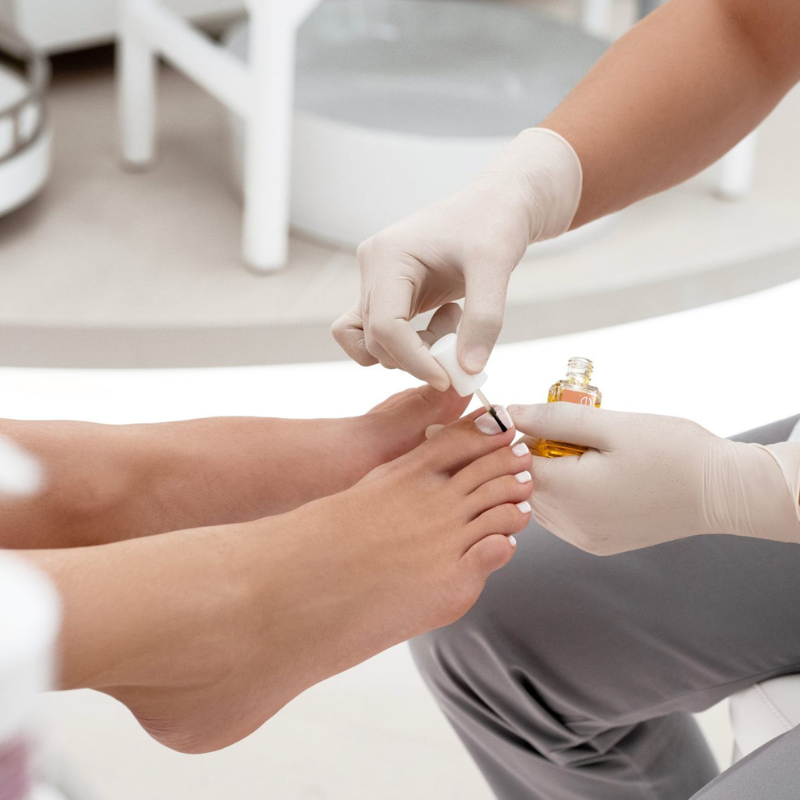
The final stage of a pedicure usually involves applying nail polish, which adds color and shine to your freshly cared-for nails. Before applying polish, a base coat is used to protect nails from staining and to help the polish adhere better.
After the base coat, two coats of your chosen color are applied, followed by a topcoat for shine and durability. This layering helps prevent chipping and extends the life of your pedicure. Many salons now offer gel polish options for even longer-lasting results.
Some clients prefer a natural look and skip polish altogether, opting instead for buffed nails with a glossy finish. No matter your preference, the technician will clean any excess polish and ensure your toes look flawless before you leave.
Understanding the Professional Pedicure Process and Its Benefits
Beyond aesthetics, professional pedicures offer significant health benefits. They help maintain foot hygiene, prevent nail disorders, and encourage early detection of issues like fungal infections or ingrown nails. Regular pedicures improve circulation and reduce foot pain related to dryness and calluses.
Knowing what happens during a pedicure also empowers you to choose the right type of treatment based on your foot care needs. From luxury spa pedicures to medical pedicures, the options cater to every preference and concern.
For men interested in grooming, specialized services like men’s pedicure salons offer tailored treatments focusing on both appearance and foot health. Whatever your reason, integrating pedicures into your self-care routine can keep your feet healthy and stylish.
Frequently Asked Questions
What do they do at a pedicure exactly?
At a pedicure, technicians soak your feet to soften skin, trim and shape nails, push back or trim cuticles, exfoliate rough skin, moisturize, and often apply polish. The process combines hygiene with pampering to improve foot health and appearance.
How long does a typical pedicure take?
A standard pedicure usually takes between 45 to 60 minutes. More elaborate treatments, such as paraffin wax or medical pedicures, can last up to 90 minutes depending on the services requested.
Is it safe to get a pedicure during pregnancy?
Yes, most pedicures are safe during pregnancy, but it’s important to inform your technician. Avoid harsh chemicals and opt for gentle products. Some salons also offer pregnancy-safe pedicures designed with sensitive skin in mind.
How often should I get a pedicure?
Many experts recommend getting a pedicure every 3 to 4 weeks to maintain foot health and nail appearance. For tips on frequency, see our detailed article Is It Ok to Get a Pedicure Every 2 Weeks?.
Can pedicures help with foot problems like calluses or fungal nails?
Regular pedicures can help manage calluses through exfoliation and moisturizing. For fungal nails or more serious conditions, medical pedicures performed by trained professionals offer specialized care and treatment options.
Understanding what happens during a pedicure reveals why this beauty ritual is much more than a simple cosmetic treatment. It combines hygiene, health, and relaxation to keep your feet feeling and looking their best. Whether you visit a salon or enjoy an at-home pedicure, embracing these steps can enhance your foot care routine. Ready to experience the benefits for yourself? Book a professional pedicure today and give your feet the attention they deserve.