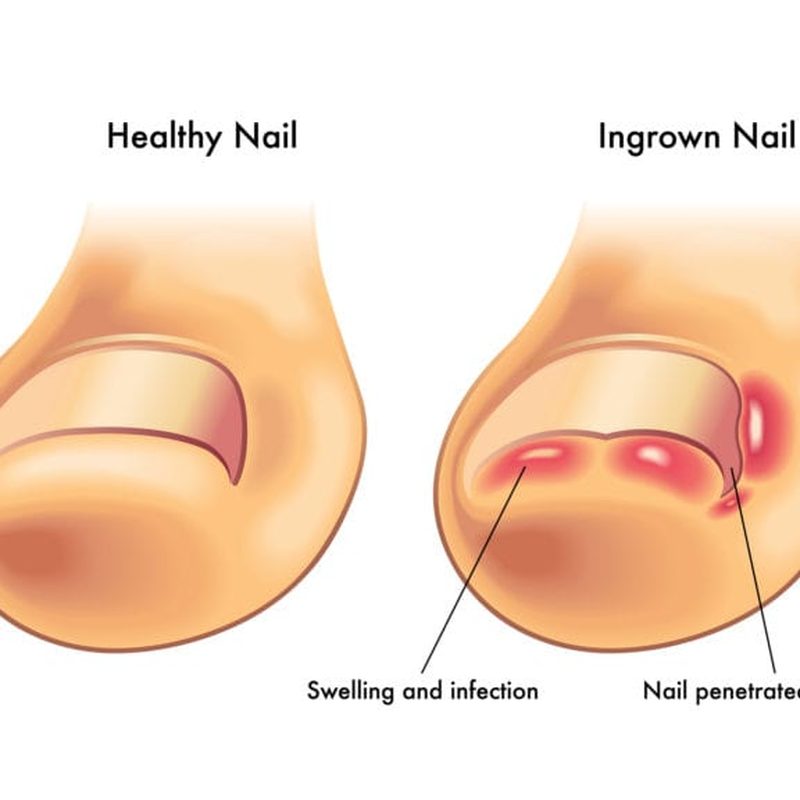
Your feet can tell you when a regular pedicure is no longer enough. Maybe your toenails have become thicker than they used to be, your heels keep developing rough or cracked skin, or a traditional pedicure leaves certain areas feeling uncomfortable. If that sounds familiar, you may have started searching for a medical pedicure near me.
Medical pedicures have become increasingly popular in the U.S. as people look for a more specialized approach to foot care. Unlike a traditional spa pedicure, which is primarily focused on grooming, relaxation, and appearance, a medical pedicure puts greater emphasis on careful nail and skin care, hygiene, and the individual condition of the feet.
The term can mean different things depending on the provider. Some medical pedicures are offered in podiatry practices, while others are performed by trained foot-care specialists. Services can range from basic nail and callus maintenance to more specialized care.
Before you book an appointment, it helps to understand what a medical pedicure actually involves, how much it typically costs, and when professional medical care may be more appropriate than a salon treatment. If you’re searching for a medical pedicure near me, knowing what to expect can make it easier to choose the right provider.
What Is a Medical Pedicure?
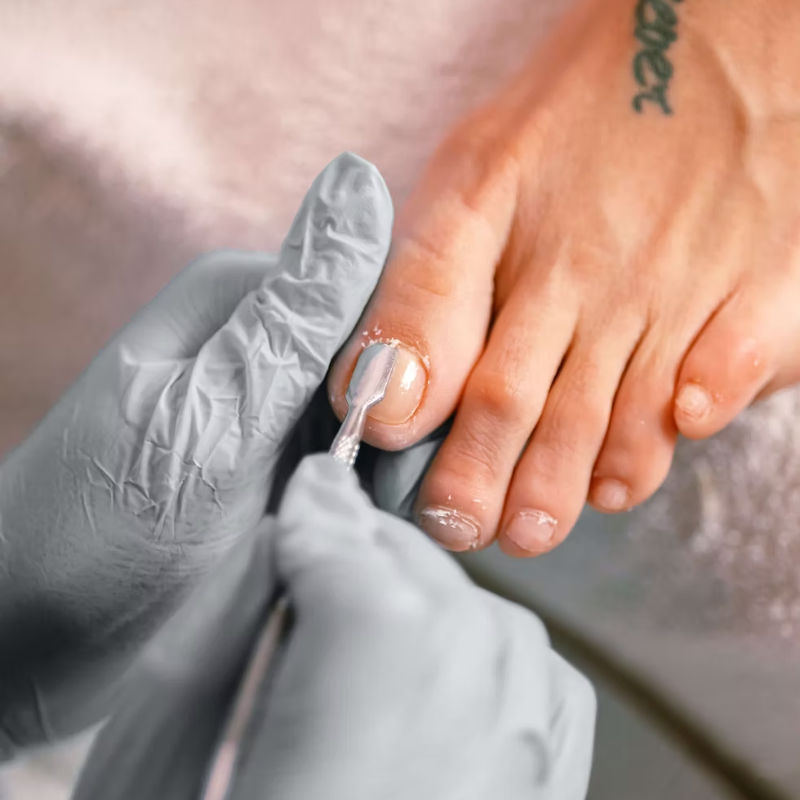
A medical pedicure, sometimes called a medi pedi, is a specialized foot-care service that focuses on maintaining the health and condition of the feet in addition to their appearance. Depending on the provider, the appointment may include nail trimming and shaping, callus care, treatment for rough or dry skin, and a closer assessment of the feet before treatment begins.
Unlike a traditional spa pedicure, medical pedicures are often performed in a more clinical or specialized environment. Some providers work directly with podiatrists, while others are trained foot-care specialists. The exact qualifications and services can vary, so it is important to check what a provider actually offers rather than relying on the word “medical” alone.
Many providers also use a dry-pedicure approach rather than soaking the feet in a shared basin. Specialized tools and careful sanitation are often emphasized, particularly when the service is designed for clients with sensitive or difficult-to-maintain feet. However, hygiene standards and procedures vary by provider, so asking about them before booking is worthwhile.
A medical pedicure should also have clear professional boundaries. A salon professional or foot-care specialist should not automatically diagnose an infection or treat a serious wound simply because a service is marketed as medical. When a foot problem requires diagnosis or medical treatment, a podiatrist or other qualified healthcare professional should be involved.
How Is a Medical Pedicure Different From a Regular Pedicure?
A traditional pedicure is primarily a beauty and relaxation service. Depending on the salon, it may include a foot soak, nail trimming, cuticle care, exfoliation, callus smoothing, massage, and polish. For someone with healthy feet who simply wants routine grooming and a relaxing experience, a regular pedicure may be all they need.
A medical pedicure takes a more specialized approach to foot care. Instead of focusing mainly on appearance, the provider considers the condition of the nails and skin and adjusts the treatment accordingly. This can be especially helpful for people with thick toenails, persistent calluses, dry or sensitive skin, or other foot-care concerns. If you’ve been searching for a medical pedicure near me, understanding this difference can help you decide whether specialized care is appropriate for your needs.
The difference can also be seen in how tools, equipment, and sanitation are handled. Medical pedicure providers may use specialized instruments and place greater emphasis on sterilization and hygiene. Some clinical providers also avoid shared foot baths as part of their approach to reducing potential hygiene concerns. Before booking a medical pedicure near me, it is worth asking how instruments are cleaned and what the appointment actually includes.
That does not mean a traditional pedicure is unsafe or that a medical pedicure is automatically better for everyone. Someone with healthy feet who wants a relaxing treatment, polished toenails, and basic grooming may prefer a conventional salon pedicure. The right choice ultimately depends on your foot-care needs, the provider’s qualifications, and the type of experience you are looking for.
Who Should Consider a Medical Pedicure?
You don’t need a medical diagnosis to benefit from specialized foot care. If you’ve been searching for a medical pedicure near me, you may be dealing with thick toenails, persistent calluses, dry skin, or simply finding routine foot care difficult to manage.
Thick toenails can become harder to trim because of age, footwear pressure, or previous trauma. Persistent calluses and rough heels can also benefit from careful professional maintenance, particularly for people who spend long hours standing or walking. When choosing a medical pedicure near me, look for a provider who takes these individual concerns into account rather than treating every client the same way.
Older adults may also appreciate professional foot care when limited flexibility, mobility, or eyesight makes nail maintenance challenging. If you have diabetes, circulation issues, or reduced sensation in your feet, talk with your healthcare provider before booking a medical pedicure near me to determine what type of foot care is appropriate for you.
What Happens During a Medical Pedicure?
A professional appointment usually begins with a conversation about your feet, including concerns such as thick nails, recurring calluses, sensitivity, or discomfort. Before booking a medical pedicure near me, ask what the appointment includes and who will perform the treatment.
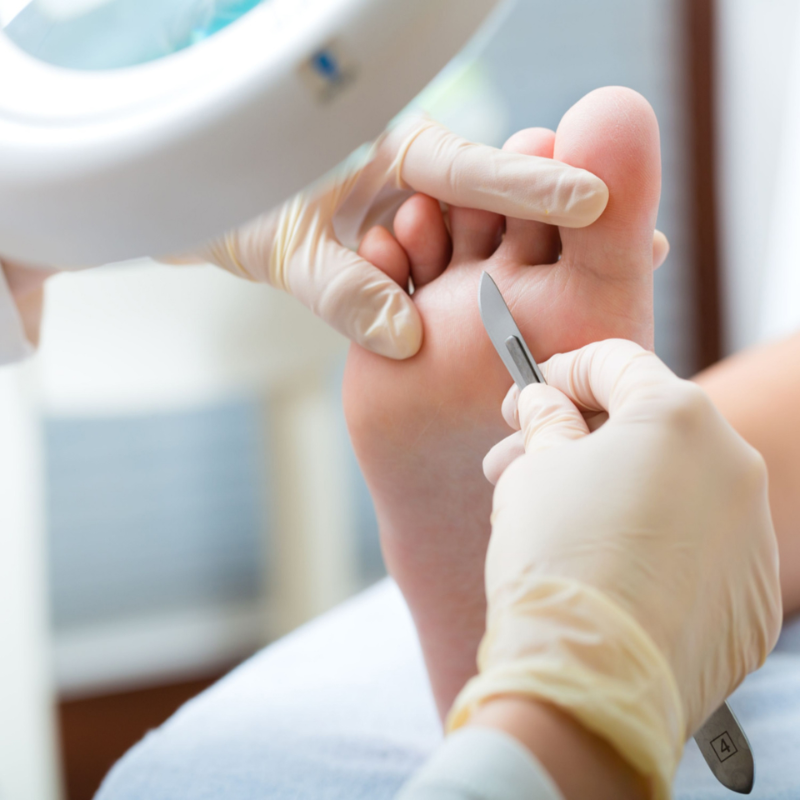
The provider may visually examine your feet and toenails before getting started. The treatment can include cleaning, trimming and shaping the nails, reducing excess callused skin, smoothing rough areas, and moisturizing. Depending on the provider, polish or other cosmetic services may also be available.
When comparing a medical pedicure near me, look for a provider who adapts the treatment to your individual needs. Sensitive skin may require gentler techniques, while thick nails may need specialized tools and additional time.
A professional treatment should never feel unnecessarily aggressive. If the provider notices significant pain, bleeding, an open wound, severe inflammation, or another concerning issue, they may recommend medical evaluation instead of continuing the cosmetic service. Knowing this is especially important when choosing a medical pedicure near me for ongoing foot-care needs.or another concerning problem, stopping the cosmetic treatment and recommending appropriate medical evaluation may be the safest choice.
How Much Does a Medical Pedicure Cost?
The cost of a medical pedicure varies across the U.S. depending on location, provider qualifications, appointment length, and the level of care involved. When comparing a medical pedicure near me, consider the complete service rather than choosing based on price alone.
Many U.S. providers charge around $75 to $130 for a standard medical pedicure, while more specialized treatments may cost $150 or more. Prices can be higher at podiatry practices or providers offering additional foot-care treatments.
Before booking a medical pedicure near me, ask exactly what is included in the price. Thick toenails, extensive callus care, ingrown nail treatment, polish, or other specialized services may involve additional fees.
Insurance coverage can also vary. Many medical pedicures are considered cosmetic or preventive services and may not be covered. If you’re considering a medical pedicure near me for a specific medical foot-care need, check with both the provider and your insurance company beforehand.
How to Find the Best Medical Pedicure Near Me
Searching medical pedicure near me on Google is a good starting point, but the closest provider is not necessarily the right one.A search for medical pedicure near me can bring up salons, foot-care clinics and podiatry practices, so check the provider carefully before making an appointment.
Begin by checking the provider’s website. Look for information about training, qualifications, the type of environment where the service is performed, and the specific services included. If the website is vague about who performs the treatment, do not hesitate to call and ask.
Reviews can also tell you a lot about the actual experience. Look for comments about cleanliness, professionalism, communication, gentle treatment, and whether clients felt their individual concerns were taken seriously.
It is also worth asking about sanitation before your appointment. Find out how instruments are cleaned and sterilized and whether single-use materials are used when appropriate. Providers offering medical-grade foot care commonly emphasize sterilized instruments and hygiene as part of their service.
For a broader beauty routine, you may also prefer a salon that takes a personalized approach to client care. Murano Beauty Salon is one example of a beauty-focused destination built around personalized service and a welcoming client experience.
That type of approach matters because professional beauty care should feel tailored rather than one-size-fits-all. If you are researching providers, compare the experience, qualifications, services, and overall approach rather than choosing based only on distance or price.
When Should You See a Podiatrist Instead?
A medical pedicure can provide specialized foot maintenance, but it should not replace medical diagnosis or treatment. If you’re searching for a medical pedicure near me because of persistent pain, an open wound, significant swelling, bleeding, severe redness, or possible infection, see a healthcare professional first.
Changes in your toenails also deserve attention. Thick, yellow, discolored, painful, or separated nails can have several causes, including trauma, footwear pressure, or fungal infections. A podiatrist can help determine what may be causing the problem before cosmetic treatment is considered.
People with diabetes, significant neuropathy, poor circulation, or a history of serious foot complications should be especially cautious. Before booking a medical pedicure near me, ask your healthcare provider what type of foot care is appropriate for you.
A responsible foot-care provider should also know when to stop a cosmetic treatment and recommend medical evaluation. If you’re told to see a podiatrist, that can be a positive sign that the provider understands the difference between specialized foot care and medical treatment. This is an important consideration when choosing a medical pedicure near me.
Frequently Asked Questions About Medical Pedicures
Is a medical pedicure worth the extra cost?
For someone with thick toenails, recurring calluses, sensitive feet, or difficulty maintaining their feet at home, a medical pedicure may be worth the additional cost. The value comes from specialized attention, careful techniques, and a stronger focus on foot-care needs. If your feet are healthy and you mainly want relaxation and polish, a traditional pedicure may be all you need.
Is a medical pedicure safe for people with diabetes?
It depends on the person’s individual health and the provider’s qualifications. Diabetes can affect sensation and circulation, making careful foot care especially important. If you have diabetes, particularly neuropathy or circulation problems, speak with your healthcare provider before booking a medical pedicure near me. A medical pedicure should complement, not replace, professional diabetic foot assessment or treatment.
How often should I get a medical pedicure?
There is no universal schedule. Your ideal frequency depends on nail growth, skin condition, footwear, lifestyle, and how easily you can maintain your feet at home. Some people may benefit from visits every few weeks, while others need professional maintenance only occasionally. If you have a medical condition affecting your feet, follow your healthcare provider’s recommendations.
Can a medical pedicure remove thick toenails?
A trained provider may be able to carefully trim and shape thick toenails when appropriate. However, unusually thick or changing nails can have different underlying causes. If a nail is painful, suddenly changes appearance, separates from the nail bed, or shows signs of infection, have it evaluated before booking a medical pedicure near me or receiving cosmetic treatment.
Can a medical pedicure treat toenail fungus?
A medical pedicure should not automatically be considered a treatment for toenail fungus. Nail discoloration and thickening can have multiple causes, and diagnosing the underlying problem may require a healthcare professional. A provider can sometimes offer cosmetic maintenance, but suspected fungal infections should be evaluated and treated according to appropriate medical guidance.
What should I ask before booking a medical pedicure near me?
Ask who performs the service, what qualifications they have, how instruments are cleaned and sterilized, what the appointment includes, and how they handle concerning foot conditions. You should also ask for the complete price and whether specialized treatments cost extra. These questions make it easier to compare providers and choose one that fits your needs.
Final Thoughts
Finding the right medical pedicure near me is about more than choosing the closest salon or the lowest advertised price. The provider’s training, sanitation practices, treatment approach, and understanding of professional boundaries all matter.
A medical pedicure can be a valuable option when your feet need more specialized attention than a traditional spa pedicure provides. It may be especially useful for people dealing with thick nails, persistent calluses, rough skin, or difficulty maintaining their feet independently.
At the same time, serious or unexplained foot problems should be evaluated by an appropriate healthcare professional. The best provider will know the difference between routine foot maintenance and a condition that requires medical attention.
Take a few minutes to research your options, read detailed reviews, ask questions about the service, and make sure the provider’s approach matches your needs. Whether you are looking for specialized foot care or simply trying to build a more consistent beauty routine, choosing a professional who values careful, personalized service can make the experience much more worthwhile. Murano Beauty Salon is another beauty destination to explore when personalized care and a welcoming salon experience are part of what you value.