
Knowing how often should you get a pedicure is more than just a beauty question—it’s a key part of maintaining foot health and comfort. Many people struggle with tired, dry, or cracked feet but aren’t sure how frequently they should indulge in a pedicure to prevent these issues. Whether you’re dealing with rough skin, nail problems, or just want a routine to keep your feet looking their best, finding the right pedicure schedule is essential.
Understanding the ideal pedicure frequency will not only keep your feet nourished but also help you avoid common troubles like toenail infections or persistent foot pain. This guide explores how often you should get a pedicure based on lifestyle, foot health, and personal needs.
In this article:
Factors That Influence How Often You Should Get a Pedicure
Not everyone needs a pedicure on the same schedule; several factors influence pedicure frequency. For example, if you spend a lot of time on your feet or wear closed shoes daily, your feet may require more frequent care to prevent calluses and dryness. Similarly, certain skin types or foot conditions, like athlete’s foot or thickened nails, may call for customized pedicure timing.
Additionally, your aesthetic preferences matter—a person who enjoys polished toes with fresh colors might visit a salon more regularly than someone seeking just basic foot maintenance. Age and activity level also play roles. Older adults often benefit from more frequent pedicures due to slower skin regeneration and circulation issues.
Ultimately, listening to your feet and adjusting based on how they feel and look is key to deciding how often you should get a pedicure.

Standard Recommendations: How Often Should You Get a Pedicure?
Most beauty professionals recommend getting a pedicure every 4 to 6 weeks to maintain healthy feet and nails. This schedule balances the natural growth cycle of toenails and allows enough time for dead skin to accumulate, which a pedicure can safely remove. For people without foot problems, this timeline keeps feet soft, clean, and polished.
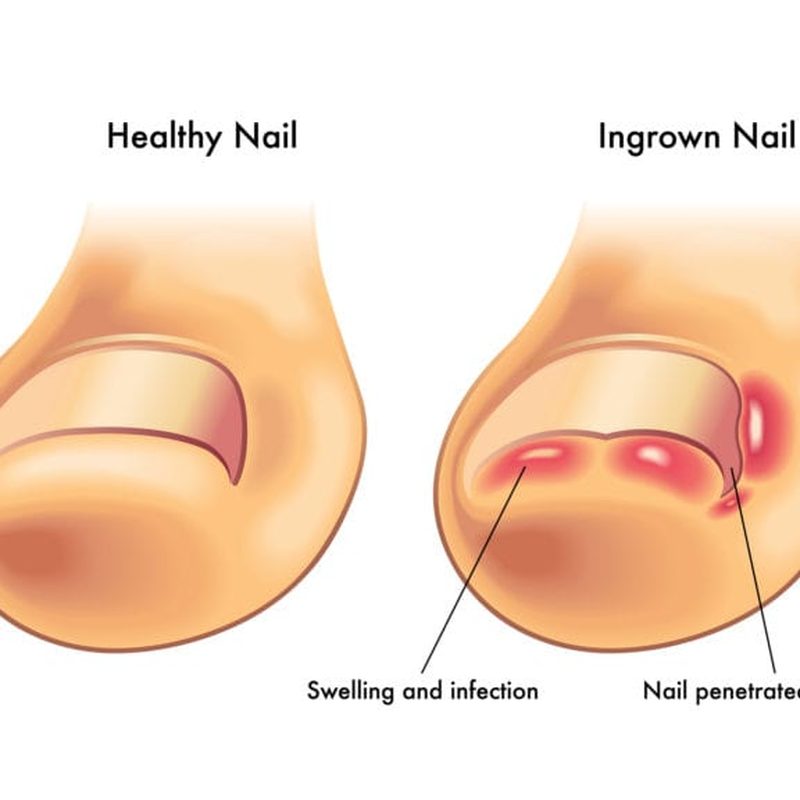
However, if you’re prone to dry skin or calluses, you may want to schedule pedicures more often, every 3 to 4 weeks. On the other hand, if your feet stay healthy and smooth, spacing pedicures out to every 6 to 8 weeks can suffice. Regular pedicures also help prevent issues like ingrown toenails and fungal infections by keeping nails trimmed and feet exfoliated.
Keep in mind that these are general guidelines; personal needs and comfort should guide your pedicure frequency.

Signs You Might Need a Pedicure Sooner
Knowing how often should you get a pedicure also means recognizing when your feet need extra attention. If you notice rough, cracked skin, persistent calluses, or pain while walking, it’s a clear signal to book a pedicure sooner than your usual schedule. These symptoms may suggest your feet aren’t getting enough care or require a more targeted treatment.
Discolored or thickened nails, foul odor, or redness can also indicate fungal infections or other foot health problems. In such cases, a medical pedicure might be the best option to receive specialized care.
Ignoring these signs can lead to worsening discomfort or infections, so prioritizing foot health is crucial beyond just aesthetics.
Benefits of Regular Pedicures Beyond Aesthetics
While most people think of pedicures as a cosmetic treatment, regular sessions have several health benefits. Pedicures improve circulation by stimulating blood flow through foot massage, which can reduce swelling and relieve tension after long days on your feet. They also help maintain skin hydration and prevent cracking, which lowers the risk of infections.
Additionally, professional pedicures allow for early detection of foot conditions like fungal infections, ingrown nails, or even toe pain issues. For persistent discomfort after a pedicure, you can refer to expert advice on toe pain after pedicure: causes and remedies.
Beyond physical benefits, regular pedicures provide mental relaxation and a self-care ritual, contributing to overall wellness.

How to Maintain Your Pedicure Between Appointments
Understanding how often should you get a pedicure goes hand in hand with knowing how to care for your feet between visits. Daily moisturizing is essential to keep the skin soft and prevent peeling or cracking. Using a pumice stone gently a few times a week can help manage calluses and keep feet smooth longer.
Also, wear breathable shoes and moisture-wicking socks to reduce fungal risk. Avoid walking barefoot in public places to protect your nails from infections. If you notice any discomfort or nail changes, don’t wait until your next pedicure to address them.
With consistent foot care at home, you can extend the life of your pedicure and maintain healthier feet all month long.

Frequently Asked Questions
Is it safe to get a pedicure every week?
Getting a pedicure every week is generally unnecessary and could be harsh for your skin and nails. Over-exfoliating or frequent nail treatments can lead to dryness, irritation, or nail damage. Most experts recommend every 4 to 6 weeks, but if you prefer more frequent sessions, consult a professional to avoid harm.
Can pedicures help with foot odor?
Yes, pedicures can help reduce foot odor by thoroughly cleansing the feet, removing dead skin, and exfoliating areas where bacteria thrive. Additionally, moisturizing and proper nail care during a pedicure prevent conditions that cause odor. However, persistent odor may require medical attention.
Should people with diabetes get pedicures?
People with diabetes should be cautious when getting pedicures as they have a higher risk of infections and slow healing. Medical pedicures performed by trained professionals are recommended to ensure safe care. Always consult your healthcare provider before scheduling a pedicure.
What is the difference between a regular pedicure and a medical pedicure?
A regular pedicure focuses on cosmetic care like nail shaping and skin smoothing. A medical pedicure, however, addresses health concerns such as fungal infections, thick nails, or ingrown toenails. Medical pedicures are performed by specialists and are ideal for those with foot problems or chronic conditions.
How can I tell if a pedicure salon is hygienic?
A hygienic salon uses sterilized tools, disposable liners for foot baths, and maintains clean workstations. Staff should wash hands between clients and follow state regulations. Don’t hesitate to ask about their sanitation practices before booking your appointment.
Determining how often should you get a pedicure depends on your personal foot health, lifestyle, and beauty goals. Following the general 4 to 6-week guideline ensures your feet stay healthy, polished, and pain-free. Pay attention to your feet’s signals and adjust your schedule accordingly to prevent discomfort or infections. For specialized care, consider medical pedicures and always maintain good foot hygiene between appointments. Make a habit of caring for your feet regularly—your comfort and confidence will thank you.
Related Articles
- Signs You Need a Medical Pedicure
- Top Foot Care Tips for Healthy Nails
- How to Choose the Right Nail Salon
- Preventing Toenail Fungus After a Pedicure
- Best Moisturizers for Dry Feet
- What to Expect from a Medical Pedicure
- Common Pedicure Mistakes to Avoid
- Foot Exercises to Complement Your Pedicure Routine