Many people experience discomfort or persistent foot issues despite getting regular pedicures. If you’ve ever wondered what is a medical pedicure, you’re not alone. Unlike traditional spa pedicures that focus on aesthetics, a medical pedicure prioritizes foot health by addressing common problems such as calluses, fungal infections, and thickened nails with clinical precision. This treatment is especially beneficial for individuals with sensitive feet or ongoing foot conditions who need expert care in a hygienic environment. In this guide, we’ll explore how a medical pedicure differs from a standard pedicure, its benefits, and what to expect during the treatment.

In this article:
- Understanding What Is a Medical Pedicure and How It Differs
- Who Should Consider a Medical Pedicure?
- Step-by-Step: What Happens During a Medical Pedicure
- Benefits of Choosing a Medical Pedicure Over a Traditional One
- How to Find a Qualified Medical Pedicure Specialist
- Maintaining Your Foot Health After a Medical Pedicure
Understanding What Is a Medical Pedicure and How It Differs
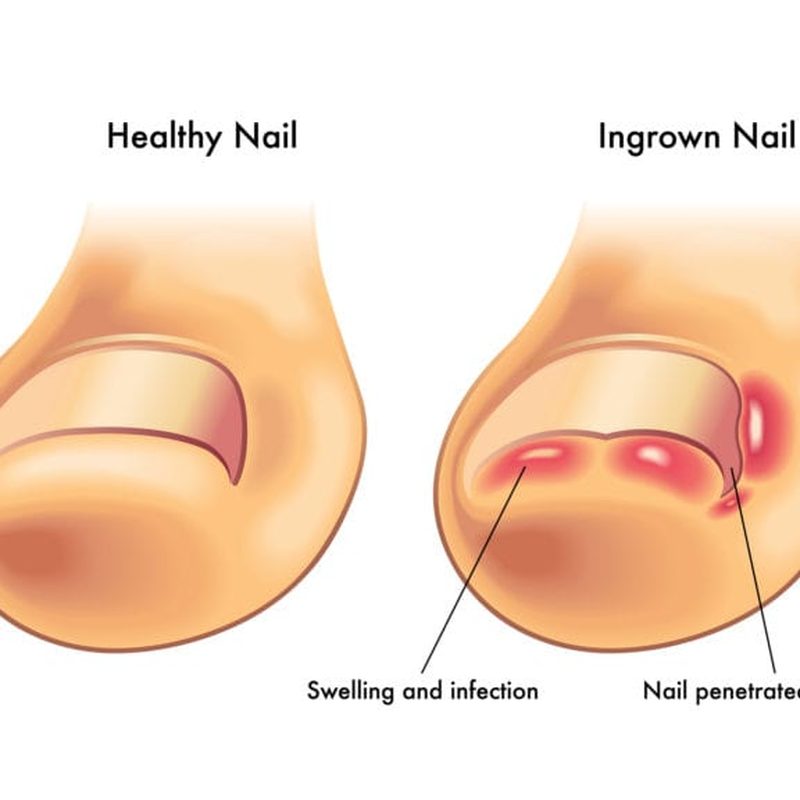
A medical pedicure is a specialized foot care treatment performed by trained professionals, often podiatrists or medically trained nail technicians. Unlike a traditional pedicure that primarily focuses on beautifying your feet, a medical pedicure targets corrective care. It involves thorough cleaning, treatment of skin conditions like corns and calluses, and managing nail disorders such as fungal infections and ingrown nails.
One key difference lies in the hygiene protocols. Medical pedicures follow strict sterilization standards to minimize the risk of infections, making them a safer choice for people with compromised immune systems or diabetes. Moreover, the tools used are often medical-grade, and treatments may include antimicrobial solutions or specialized foot creams.
Ultimately, understanding what is a medical pedicure helps you recognize when to seek this service, especially if you need more than just cosmetic enhancement for your feet.
Who Should Consider a Medical Pedicure?
Medical pedicures are ideal for individuals who suffer from chronic foot conditions or need preventive care to avoid complications. People with diabetes, circulation issues, or immune deficiencies often benefit from this treatment because it minimizes infection risks through carefully controlled procedures.
Additionally, if you experience recurring problems like thickened nails, painful calluses, or fungal infections that don’t respond well to over-the-counter treatments, a medical pedicure offers a professional solution. It can also help athletes or those who spend long hours on their feet maintain healthy skin and nails.
Before booking a medical pedicure, it’s vital to disclose any health conditions to your technician. This transparency ensures you receive a customized treatment plan that supports your overall foot health.

Step-by-Step: What Happens During a Medical Pedicure
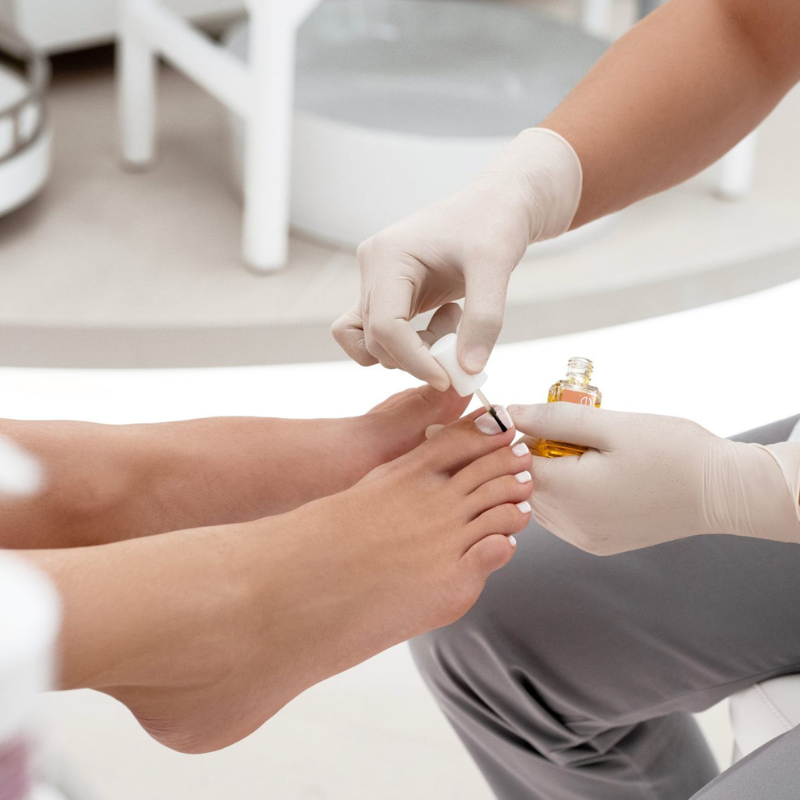
The process begins with a thorough foot assessment to identify any skin or nail issues. Following this, the technician will soak your feet in a medicated solution designed to soften hardened skin and prepare the nails for treatment. This soaking also serves to cleanse the feet deeply, reducing bacterial buildup.
Next, instruments such as scalpels and specialized clippers are used to carefully remove calluses, corns, and thickened nails. Unlike a spa pedicure, the focus here is on medical precision rather than just aesthetics. The technician may also apply antifungal or antibacterial treatments depending on your specific foot condition.
Finally, moisturizing and protective creams are applied to encourage healing and maintain skin elasticity. The entire session typically lasts longer than a standard pedicure, emphasizing safety and corrective care.
Benefits of Choosing a Medical Pedicure Over a Traditional One
Medical pedicures provide more than just cosmetic improvements; they offer therapeutic benefits that can improve overall foot health. By addressing issues like nail fungus early, they help prevent painful infections and complications. This is particularly important for people at higher risk of foot problems.
Additionally, medical pedicures improve circulation and reduce discomfort caused by thick calluses and ingrown nails. The use of professional-grade products and equipment ensures thorough sanitization, which is critical in protecting vulnerable skin. For many, this treatment is a gateway to healthier, more comfortable feet that support active lifestyles.
For those curious about foot massages combined with pedicures, exploring options like foot massage and pedicure near me can complement the benefits of medical pedicures.

How to Find a Qualified Medical Pedicure Specialist
Not every nail salon offers medical pedicures, so finding a qualified technician is essential. Seek out salons or clinics staffed by licensed podiatrists or trained medical pedicurists who have specific expertise in foot health. Verify their certifications and ask about their sterilization practices to ensure safety.
Online reviews and referrals from healthcare providers can also guide you to trusted professionals. If you have diabetes or other medical conditions, consider looking for providers who offer specialized services like diabetic pedicures near me.
Scheduling a consultation before your first appointment allows you to discuss your needs and understand the treatment plan, ensuring peace of mind and confidence in your foot care.
Maintaining Your Foot Health After a Medical Pedicure
Once you’ve experienced the benefits of a medical pedicure, maintaining your foot health at home is crucial. Regular moisturizing, wearing breathable footwear, and practicing good hygiene help preserve the results. Avoid harsh chemicals or aggressive self-treatments that can damage sensitive skin.
Routine check-ups with your medical pedicurist can help catch issues early and keep your feet in optimal condition. If you want to learn more about the basics of foot and nail care, consider reading our detailed guide on what is manicure and pedicure.
Following these steps promotes long-term foot comfort and reduces the risk of infections or nail problems, making your medical pedicure investment worthwhile.
Frequently Asked Questions
Is a medical pedicure safe for people with diabetes?
Yes, a medical pedicure is designed to be safe for people with diabetes because it follows strict hygiene protocols and uses medical-grade tools to prevent infections. It also addresses common diabetic foot concerns like calluses and nail issues professionally.
How often should you get a medical pedicure?
Frequency depends on your foot health needs, but typically every 4 to 6 weeks is recommended. If you have ongoing conditions, your specialist might suggest more frequent visits to monitor and manage foot problems effectively.
What conditions can a medical pedicure treat?
Medical pedicures can treat calluses, corns, fungal infections, ingrown toenails, thickened nails, and dry or cracked skin. Treatment is tailored to your specific foot health concerns to improve comfort and prevent complications.
How is a medical pedicure different from a spa pedicure?
Unlike spa pedicures that focus on relaxation and cosmetic appearance, medical pedicures emphasize therapeutic care, hygiene, and correction of foot problems using medically approved techniques and tools.
Can men benefit from medical pedicures?
Absolutely. Men who experience foot discomfort, thick nails, or other foot issues can greatly benefit from medical pedicures. This treatment caters to foot health needs regardless of gender.
Understanding what is a medical pedicure unlocks a pathway to better foot health, especially for those with specific medical concerns. This treatment offers expert care beyond the typical pedicure, prioritizing safety and therapeutic benefits. If foot problems have been holding you back, consider booking a medical pedicure with a qualified specialist to experience the difference firsthand and keep your feet healthy and comfortable year-round.