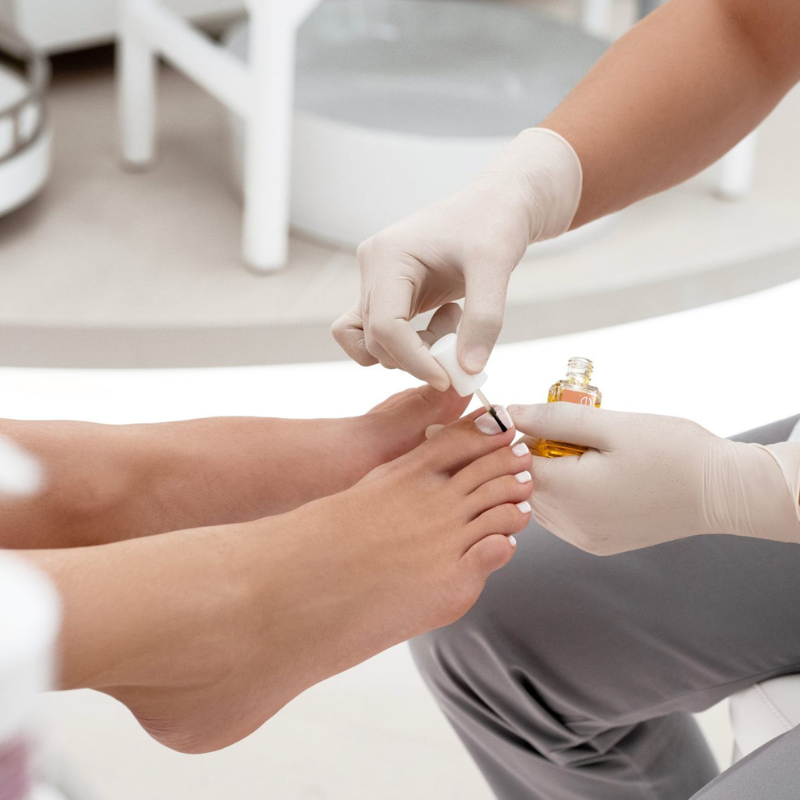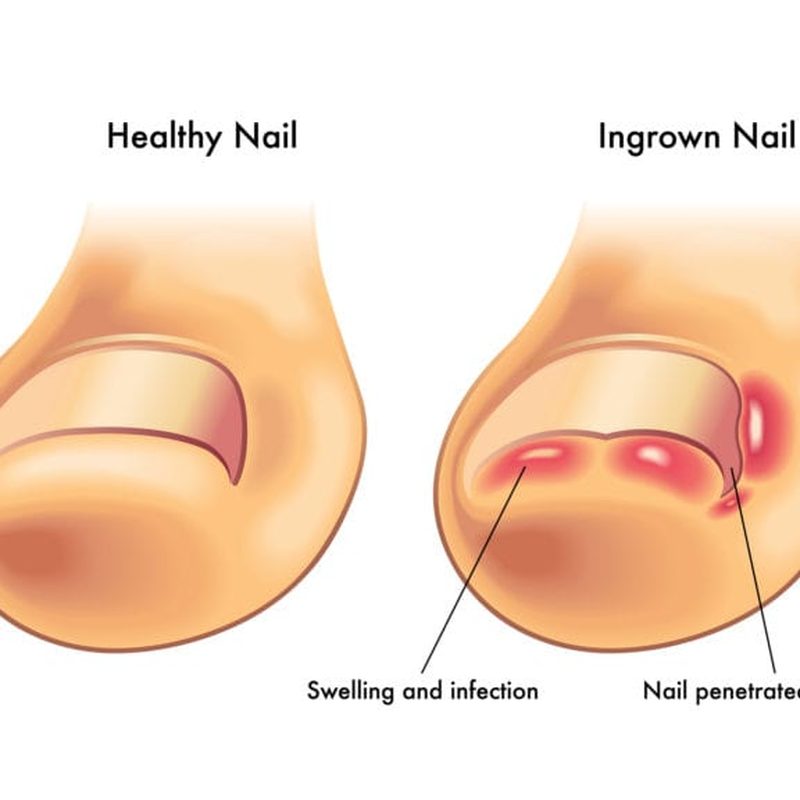
Can you get a pedicure if you have diabetes? Many people with diabetes can – but it takes more care than a regular salon visit. Diabetes can reduce feeling in your feet and slow healing, so a small nick, a too-hot foot bath, or a callus shaved too deep can turn into a sore that’s hard to heal. The safest approach is to check with your doctor first, then choose a salon (or a podiatrist) that will follow a few simple rules.
The short version:
- Ask your doctor or podiatrist first, especially if you have nerve damage, poor circulation, or a history of foot sores.
- Bring your own nail tools – the National Institute of Diabetes and Digestive and Kidney Diseases (NIDDK) recommends this to lower the risk of infection.
- No long soaks, no hot water, no blades on calluses, no cuticle cutting.
- Skip the salon if you have any open sore, cut, blister, or sign of infection on your feet.
A note on the name: “diabetic pedicure” isn’t a regulated term or certification. A salon that advertises one may or may not have extra training – so the questions below matter more than the label.

Why Pedicures Need Extra Care With Diabetes
Over time, high blood sugar can damage nerves and reduce blood flow to the feet. That causes two problems at a nail salon:
- You may not feel an injury. With reduced feeling, you might not notice water that’s too hot, a file pressed too hard, or a small cut.
- Small injuries can heal slowly. A minor cut or blister can become infected or turn into a sore that takes a long time to heal.
That’s why the CDC recommends checking your feet every day and having them examined at every primary care visit, plus a full foot exam by a podiatrist at least once a year (more often if you have nerve damage). A pedicure can be part of good foot care – but it doesn’t replace those checks.
What to Ask a Salon Before You Book
- “How do you clean your tools and foot baths between clients?” A good salon will answer without hesitating.
- “Can I bring my own tools?” NIDDK recommends bringing your own nail tools to a salon to prevent infection.
- “Can you skip the long soak – or keep it short and lukewarm?” Both the CDC and NIDDK advise people with diabetes not to soak their feet, because it dries out the skin. If the water is used, it should be warm, not hot – NIDDK lists 90–95°F as safe.
- “Do you use razors or blades on calluses?” The answer should be no.
- “Will you trim nails straight across and leave the cuticles alone?”
- “Have you worked with clients who have diabetes?” Experience matters more than an advertised “diabetic pedicure.”
If your nails are thick, yellowed, or curving into the skin, or you can’t easily see or reach your feet, NIDDK recommends having a foot doctor trim them instead. Some podiatrists offer pedicure-style nail care.
What a Safe Pedicure Should (and Shouldn’t) Include
Should include:
- A quick look at your feet before starting, so any cut, blister, or redness is noticed
- Water tested for temperature – or no soak at all
- Nails trimmed straight across, without cutting into the corners, and sharp edges smoothed with a file
- Gentle filing of calluses only if your doctor says it’s OK
- Lotion on the tops and bottoms of your feet – not between your toes, where moisture can lead to infection
- Feet dried well, especially between the toes
Should not include:
- Hot water or a long soak
- Razors, blades, or “credo” tools on calluses or corns
- Cutting or forcefully pushing back cuticles
- Digging at the corners of the nails
- Hard scrubbing or anything that hurts
- Hot treatments such as paraffin wax or hot stones, unless your doctor has said they’re OK – reduced feeling makes it harder to tell when something is too hot
If you have a callus, see our guide on whether pedicures remove calluses – and remember that with diabetes, the CDC and NIDDK advise against cutting calluses or using over-the-counter callus removers.
When to Skip the Salon
Don’t get a pedicure – and contact your doctor or podiatrist – if you have:
- An open sore, cut, or blister on your feet or lower legs
- Redness, swelling, warmth, or pus around a nail or anywhere on the foot
- An ingrown toenail
- New numbness, tingling, or color changes in your feet
If something feels wrong after a pedicure – soreness that gets worse, redness, or a cut that isn’t healing – have it checked early rather than waiting. See also toe pain after a pedicure.
Everyday Foot Care Between Pedicures
The CDC and NIDDK recommend these daily habits for people with diabetes:
- Check your feet every day for cuts, redness, swelling, blisters, sores, corns, or calluses. Use a mirror or ask someone to help.
- Wash your feet daily in warm (not hot) water. Don’t soak them.
- Dry well, especially between the toes.
- Moisturize the tops and bottoms of your feet, but not between your toes.
- Trim nails straight across and smooth the edges with a file – or have a podiatrist do it.
- Leave corns and calluses alone unless your doctor says otherwise.
- Don’t go barefoot, even indoors, and check inside your shoes before putting them on.
Frequently Asked Questions
Is it safe to get a pedicure if I have diabetes?
For many people, yes – with precautions. Check with your doctor first, bring your own tools, skip long or hot soaks, and don’t let anyone use a blade on calluses. If you have nerve damage, poor circulation, or any foot sore, ask a podiatrist instead.
What is a diabetic pedicure?
It’s a pedicure adapted for people with diabetes: no hot soaks, no cutting of cuticles or calluses, careful nail trimming, and close attention to the skin. It isn’t a regulated term, so ask the salon exactly what they do differently.
Should people with diabetes soak their feet during a pedicure?
The CDC and NIDDK advise people with diabetes not to soak their feet, because it dries the skin. Ask the salon to skip the soak or keep it brief and lukewarm, with the temperature tested first.
Can a nail salon remove calluses if I have diabetes?
Only gentle filing, and only if your doctor approves. Cutting calluses – or using callus-removal products – can damage the skin and cause infection.
Should I see a podiatrist instead of a salon?
Yes, if you have nerve damage, poor circulation, thick or ingrown nails, a history of foot sores, or you can’t see or reach your feet well. Everyone with diabetes should have a full foot exam at least once a year.
The Bottom Line
Many people with diabetes can enjoy a pedicure safely, as long as it’s gentle: your own tools, no long or hot soaks, nails trimmed straight across, no cutting of cuticles or calluses, and no lotion between the toes. Check with your doctor first, skip the salon if you have any sore or sign of infection, and keep up daily foot checks and regular foot exams.