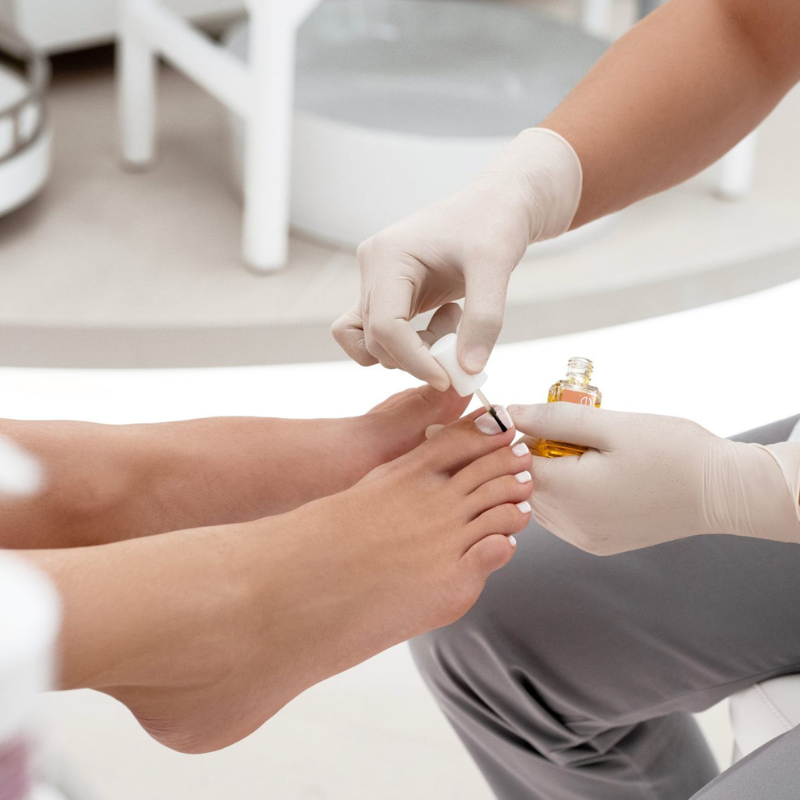

Can a pedicure help an ingrown toenail? Sometimes – but only a mild one, and only if it’s done gently. A careful nail tech can soak your feet, trim the nail straight across, and keep pressure off the sore corner, which may make a mildly ingrown nail more comfortable. A pedicure can’t fix an ingrown nail that is infected or deeply embedded, and digging at it in a salon can make it worse.
The short version:
- Mild ingrown nail (a little redness and tenderness, no pus): a gentle pedicure is usually OK – tell your tech first.
- Pus, spreading redness, or severe pain: skip the salon and see a doctor or podiatrist.
- Diabetes or poor circulation: see a provider rather than a salon for any ingrown nail.
Below: what causes ingrown toenails, what a nail tech can and can’t do, how to care for one at home, and how to stop it coming back.
What Causes Ingrown Toenails
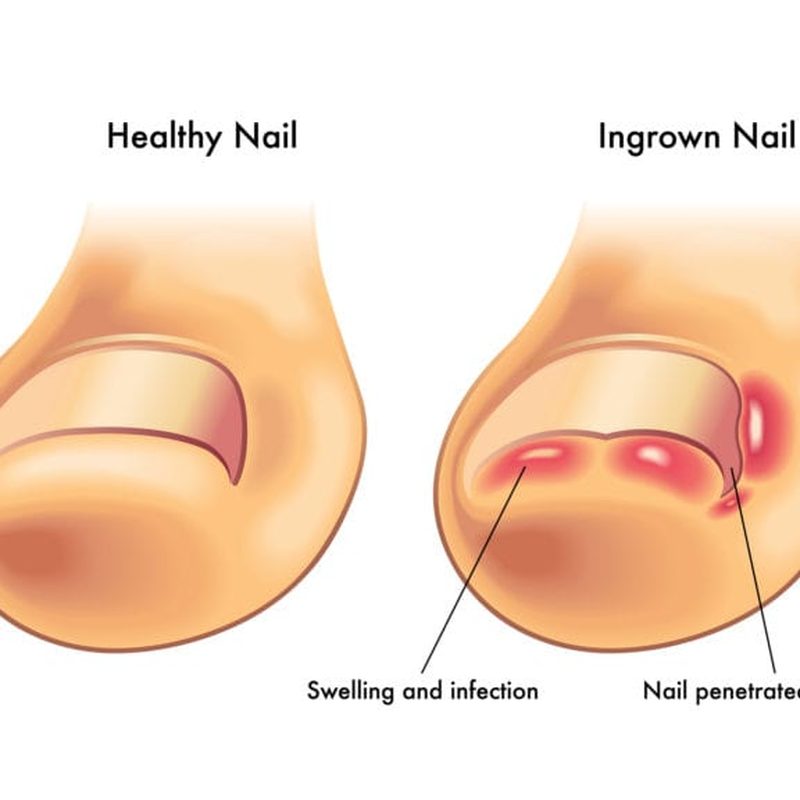
An ingrown toenail happens when the edge of the nail – usually on the big toe – grows into the skin beside it, causing pain, redness, swelling, and sometimes infection. According to Mayo Clinic, common causes include:
- Nails cut too short or not straight across
- Tight shoes that press on the toes
- Injury to the toe, such as stubbing it or repeated kicking or running
- Naturally very curved nails
That first cause is why pedicures matter: the way your nails are trimmed can either help prevent ingrown toenails or set one off.

What a Pedicure Can (and Can’t) Do
What a good pedicure can do:
- Soak and soften the skin around the nail, which can ease tenderness.
- Trim the nail straight across and level with the tip of the toe, so the corner is less likely to dig in as it grows.
- Gently file rough edges and keep the area clean.
What a pedicure can’t – and shouldn’t – do:
- Cut out the ingrown part of the nail. Trimming or removing the ingrown portion is a medical procedure that a doctor or podiatrist does after numbing the toe.
- Treat an infection.
- Permanently stop a nail that keeps growing in. For repeat problems, a provider may remove part of the nail and the tissue underneath so that edge doesn’t grow back.
If a nail tech starts digging into the corner of the nail or cutting into the skin to “get it out,” ask them to stop. That’s how a mild ingrown nail turns into an infected one.
How to Get a Pedicure Safely With an Ingrown Toenail
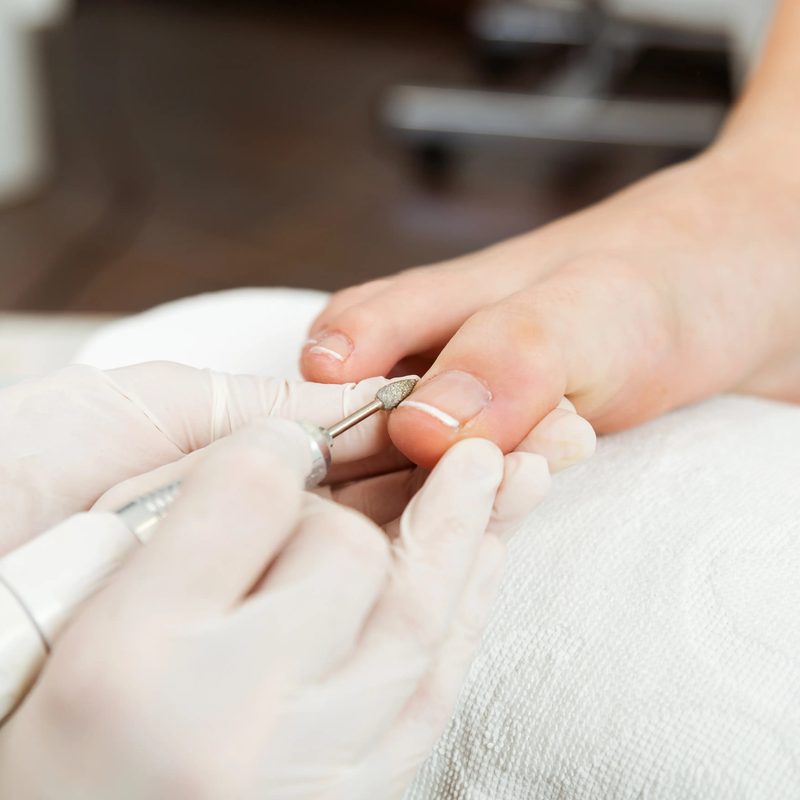
- Only go if it’s mild – a little redness and tenderness, no pus, no spreading redness.
- Tell your nail tech before you start. Point to the sore toe.
- Ask for nails cut straight across, not rounded, and not too short.
- Say no to digging, cutting into the skin, or cutting cuticles around that toe.
- Choose a clean salon. The American Academy of Dermatology suggests checking that the tech is licensed where required, the stations and foot baths are clean, and leaving if the salon doesn’t look clean.
- Don’t shave your legs for at least 24 hours before your appointment.
If you have foot problems that keep coming back, a pedicure done by or with a podiatrist may be a safer choice than a regular salon.
Home Care for a Mild Ingrown Toenail
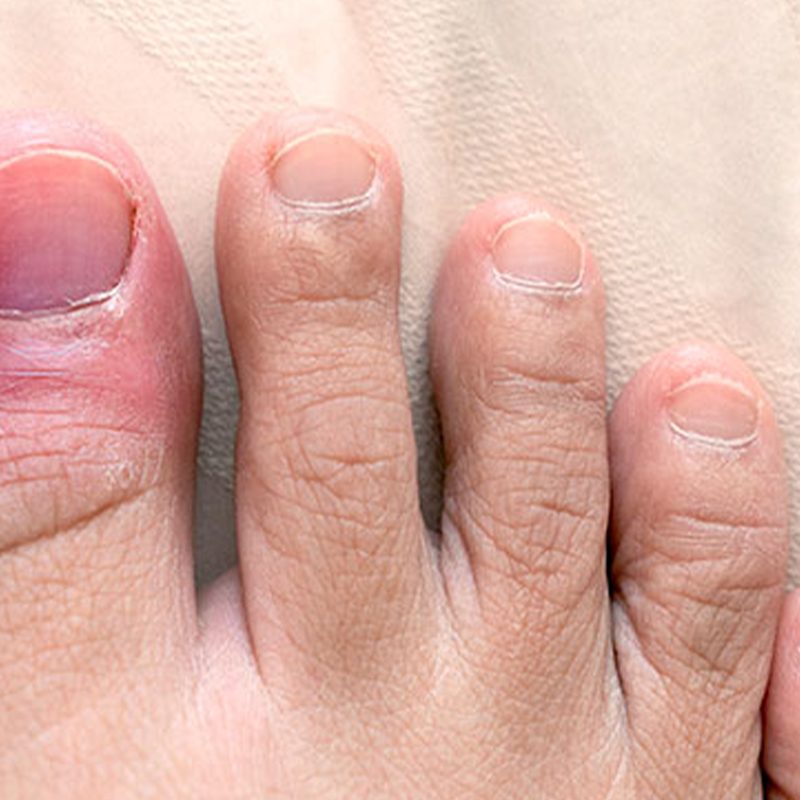
Mayo Clinic recommends these self-care steps for a mild ingrown toenail:
- Soak your foot in warm, soapy water for 10–20 minutes, 3–4 times a day, until the toe gets better.
- After each soak, tuck a small piece of fresh cotton or waxed dental floss under the ingrown edge to help the nail grow above the skin.
- Put petroleum jelly on the sore area and cover the toe with a bandage.
- Wear open-toed shoes or sandals until it feels better.
- Take an over-the-counter pain reliever if needed, following the label.
Don’t try to cut out the ingrown corner yourself.
When to See a Doctor or Podiatrist
See a doctor or podiatrist – and skip the salon – if you have:
- Pus around the nail
- Redness that spreads
- Severe pain, or pain that isn’t improving with home care
- Diabetes or poor circulation in your feet – Mayo Clinic advises seeing a provider for any foot sore or infection, because small foot injuries can heal poorly. See our guide to diabetic pedicures.
A provider can lift the nail edge with a splint or cotton, tape the skin away from the nail, or remove the ingrown part of the nail. If your toe is sore after a recent pedicure, see also toe pain after a pedicure.
Frequently Asked Questions
Can a pedicure fix an ingrown toenail?
Not really. A gentle pedicure can make a mild ingrown nail more comfortable and help prevent new ones by trimming nails straight across. It can’t remove the ingrown part or treat an infection – that needs a doctor or podiatrist.
Can you get a pedicure with an ingrown toenail?
Yes, if it’s mild and not infected. Tell your nail tech first and ask them not to dig at the corner. If there’s pus, spreading redness, or severe pain, see a provider instead.
Should a nail tech cut out an ingrown toenail?
No. Removing the ingrown part of a nail is a medical procedure, done after numbing the toe. A nail tech should trim straight across and leave the ingrown edge alone.
How do I stop ingrown toenails from coming back?
Trim nails straight across and keep them level with the tip of your toe, wear shoes with enough room for your toes, and protect your toes during activities that might injure them. If they keep coming back on the same toe, a podiatrist can discuss a more permanent fix.
Is it safe to get a pedicure with an ingrown toenail if I have diabetes?
See a provider rather than a salon. With diabetes or poor circulation, small foot injuries can heal poorly, so ingrown nails should be checked by a professional.
The Bottom Line
A gentle pedicure can make a mild ingrown toenail more comfortable and help prevent the next one – mostly by trimming nails straight across and not too short. It can’t cut out an ingrown nail or treat an infection. If you see pus, spreading redness, or the pain is severe, or if you have diabetes, see a doctor or podiatrist instead of a nail salon.
Sources
- Mayo Clinic – Ingrown toenails: symptoms and causes
- Mayo Clinic – Ingrown toenails: diagnosis and treatment
- American Academy of Dermatology – Manicure and pedicure safety