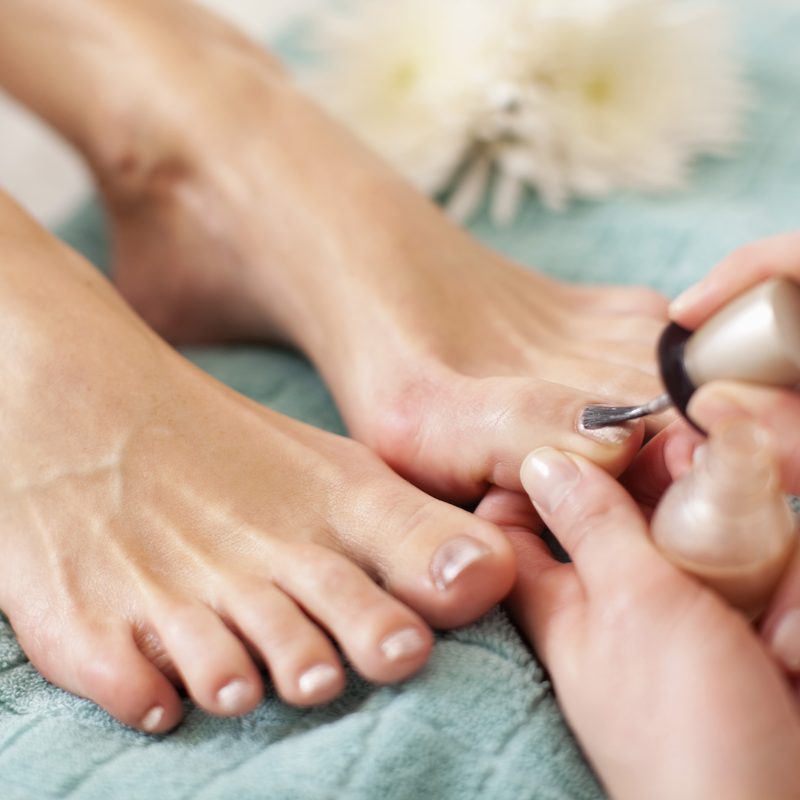
It’s a familiar scenario: you’ve been looking forward to a relaxing pedicure, but suddenly a painful blister appears on your foot. Naturally, you’re left wondering, can I get a pedicure with a blister? Since pedicures involve soaking, exfoliating, and handling sensitive skin, the presence of a blister raises important concerns about safety and comfort. This article explores when it’s safe to proceed, how to protect your feet during a pedicure, and what alternatives you might consider to keep your foot health intact while still indulging in some pampering.
In this article:
- Understanding Blisters and Their Impact on Pedicures
- Can You Get a Pedicure With a Blister? Safety Considerations
- How to Protect Your Feet and Blisters During a Pedicure
- Alternatives to Traditional Pedicures When You Have Blisters
- When to Postpone Your Pedicure Due to Blisters
- Preventing Blisters: Foot Care Tips Before Your Next Pedicure
Understanding Blisters and Their Impact on Pedicures
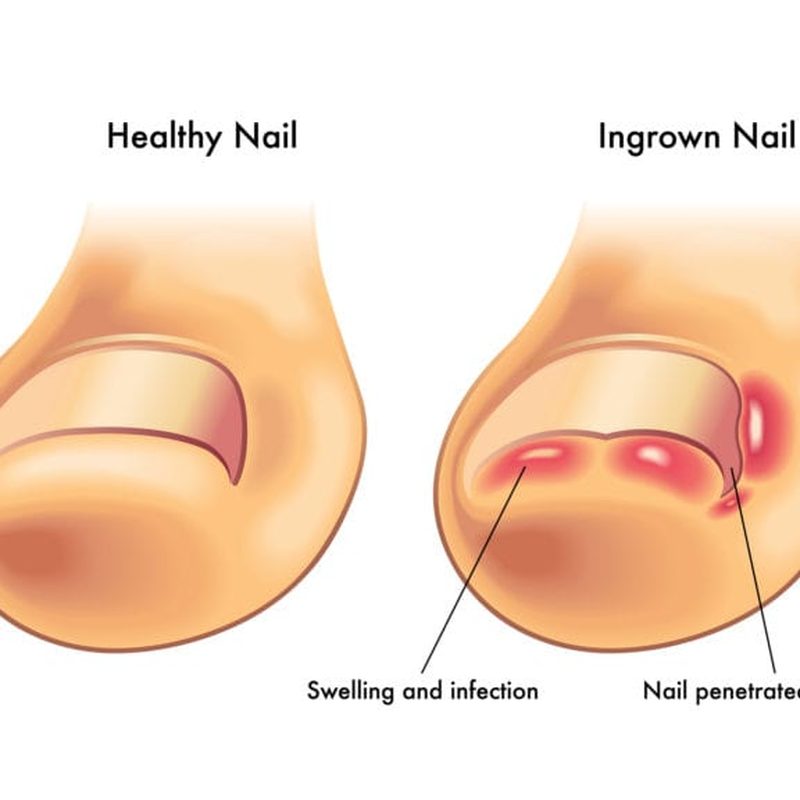
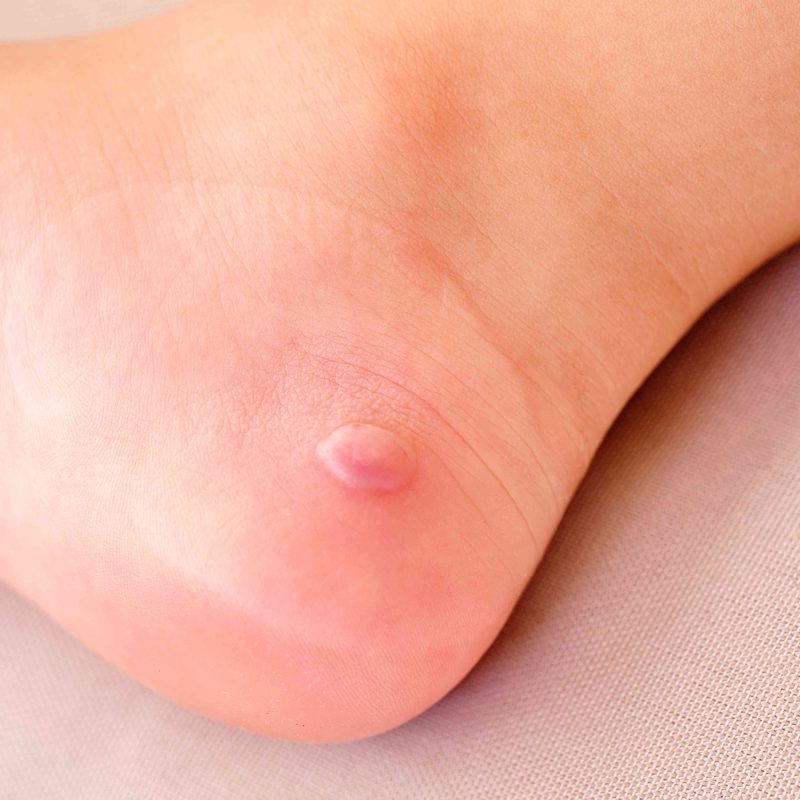
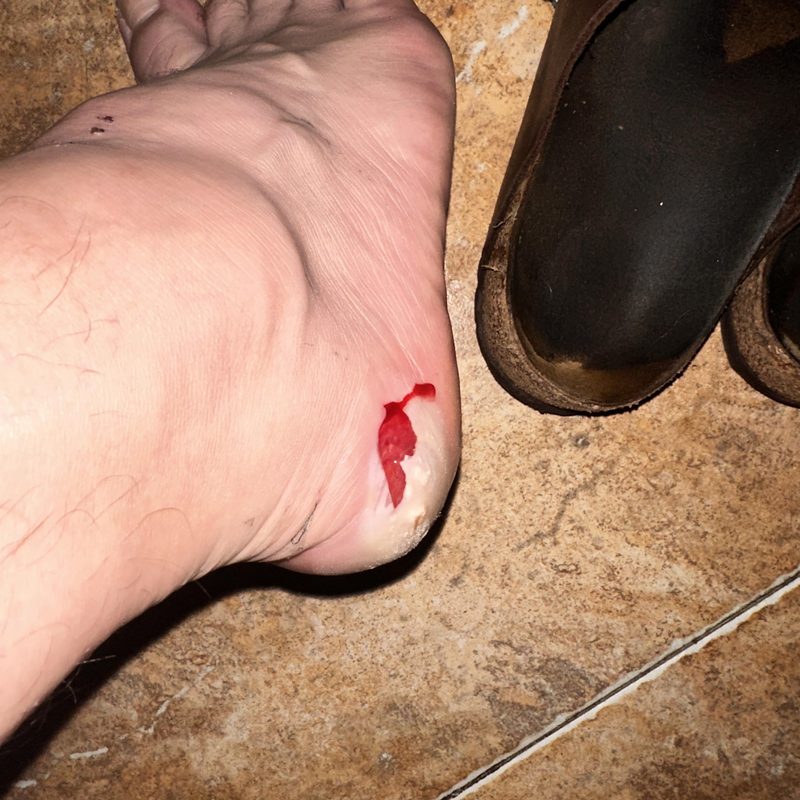
Blisters are small pockets of fluid that form between the layers of skin, typically caused by friction, burns, or irritation. When it comes to pedicures, a blister can pose a risk as the skin barrier is compromised, leaving your foot vulnerable to infection. Additionally, soaking your feet in water or using exfoliating tools may irritate the blister further.
It’s important to understand the healing stages of a blister before deciding to get a pedicure. Fresh or open blisters require extra care to avoid complications. However, blisters that are dry and healing might tolerate gentle pampering. Knowing this distinction helps you make informed choices about your foot care.
Consulting with a professional nail technician about your blister and its condition is always wise. They can recommend modifications to your pedicure or suggest alternative treatments that accommodate your foot health.
Can You Get a Pedicure With a Blister? Safety Considerations
The simple answer to can you get a pedicure with a blister depends on the blister’s size, location, and whether it’s open or closed. Open blisters are especially risky because they expose raw skin to bacteria, which pedicure environments may harbor despite thorough sanitation.
To minimize infection risk, if you choose to proceed with a pedicure, ensure the salon follows strict hygiene protocols. Using disposable liners in pedicure tubs and sterilized tools can reduce contamination. Also, communicate openly with your nail technician about the blister so they can avoid direct contact with the affected area.
For small, intact blisters, pedicures may be possible with caution. However, if the blister is large, painful, or leaking, postponing your appointment is advisable until it fully heals to protect your skin from further damage.

How to Protect Your Feet and Blisters During a Pedicure
If you decide to get a pedicure despite having blisters, there are practical steps you and your nail technician can take to protect your feet. First, covering the blister with a waterproof, breathable bandage helps shield it from water and products used during the treatment.
Additionally, choosing a pedicure style that avoids soaking or aggressive exfoliation can prevent irritation. For example, dry or express pedicures focus on nail care without exposure to water, reducing blister risk. Incorporating a gentle foot massage around the blister, rather than directly on it, can still provide relaxation without harm.
Being mindful of footwear after your pedicure is also crucial. Well-fitting shoes that don’t rub the blister area promote healing and comfort.
Alternatives to Traditional Pedicures When You Have Blisters
When a blister makes a standard pedicure off-limits, there are alternative ways to maintain foot care without risking infection or irritation. At-home pedicures allow you to control the environment, ensuring your blister is treated gently and hygienically.
Another option is a medical-grade pedicure, which focuses on therapeutic foot care and may be better equipped to handle delicate skin issues like blisters. Salons offering these treatments typically employ nail technicians with specialized training in foot health.
For those seeking luxury and comfort without the risk, consider booking a pedicure with a foot spa that offers targeted treatments and attention to sensitive areas, or inquire about mobile pedicure services that can be performed in the comfort of your own home.
When to Postpone Your Pedicure Due to Blisters
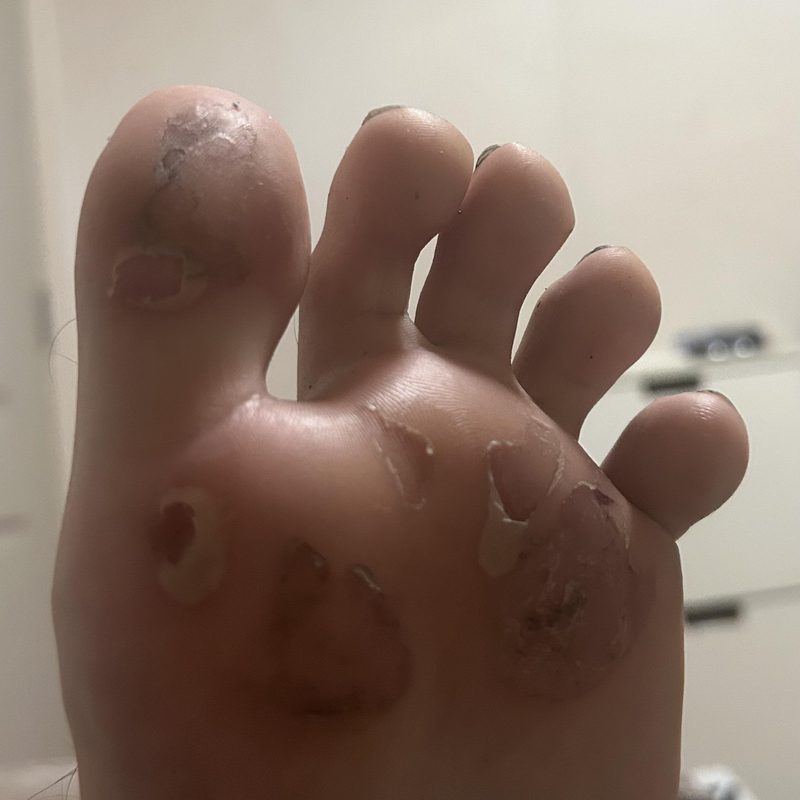
Knowing when to skip your pedicure is just as important as knowing when it’s safe to go. If your blister is open, painful, or shows signs of infection—such as redness, swelling, or pus—postponing the pedicure is the safest choice. Healing should come first to prevent complications.
Taking care of your blister with proper hygiene, moisturizing, and protective bandaging supports faster recovery. Once the skin has fully healed and feels comfortable, you can enjoy a rejuvenating pedicure without worry.
Remember, healthy feet are the foundation of any beautiful pedicure. For ongoing foot health tips, explore our guide on pedicures in Columbia MO that highlights the best professional care.
Preventing Blisters: Foot Care Tips Before Your Next Pedicure
Prevention is key when it comes to blister management, especially if you love regular pedicures. Wearing comfortable, well-fitting shoes reduces friction—the primary cause of blisters. Breaking in new footwear gradually can also help avoid foot irritation.
Moisturizing feet daily and exfoliating calluses safely can create a smooth canvas for your next pedicure session. When scheduling appointments, avoid rushing into treatments after long walks or intense physical activity that might increase blister risk.
If you’re curious about how to maintain soft, healthy feet year-round, check out our article on the benefits of foot massage and pedicure for healthy feet to enhance your routine with expert insights.

Frequently Asked Questions
Can I get a pedicure with an open blister?
It’s generally not recommended to get a pedicure with an open blister because the exposed skin is vulnerable to infection. Pedicure tubs and tools can harbor bacteria, which may worsen the blister’s condition. It’s best to allow the blister to heal fully before scheduling a pedicure to protect your foot health.
What should I tell my nail technician if I have blisters?
Inform your nail technician about any blisters before your pedicure. This allows them to adjust their approach, avoid direct contact with the blister, and maintain extra hygiene precautions. Open communication helps ensure a safe and comfortable treatment.
Are there pedicure options safe for feet with blisters?
Yes, some salons offer dry or express pedicures that avoid soaking and vigorous exfoliation, making them safer for feet with intact or healing blisters. Medical-grade pedicures also provide specialized care designed for sensitive foot conditions.
How can I care for a blister at home before a pedicure?
Keep the blister clean and dry, cover it with a breathable bandage, and avoid popping it to prevent infection. Gentle moisturizing around the blister can support healing. Avoid tight shoes or activities that cause friction, and wait until the blister improves before getting a pedicure.
When is the best time to schedule a pedicure after a blister?
Schedule your pedicure once the blister has fully healed, the skin is intact, and there is no pain, redness, or swelling. This timing helps ensure a safe and enjoyable pedicure experience without risking further irritation.
Deciding can i get a pedicure with a blister involves weighing the condition of your skin and understanding the risks involved. Prioritize healing and communicate openly with your nail technician to find the safest approach. When managed responsibly, it’s possible to enjoy foot care without compromising your skin’s health. For expert foot care tips and luxurious treatment ideas, explore our full range of pedicure guides and book your next appointment with confidence.