There’s nothing quite like the feeling of fresh, pampered feet, but regular trips to the salon aren’t always practical or affordable. If you’ve ever found yourself wondering how can I do pedicure at home, you’re not alone. Many people want to enjoy the benefits of a professional pedicure without leaving the comfort of their own space. Fortunately, with the right tools and techniques, you can easily replicate the luxury of a salon pedicure in your own bathroom.
In this guide, we’ll walk you through every step of an at-home pedicure—from soaking to polishing—so you can keep your feet healthy, soft, and beautiful. Whether you’re new to DIY beauty routines or looking to improve your pedicure skills, understanding pedicure at home steps can help you maintain your foot care between salon visits.
In this article:
Preparing Your Feet for a Pedicure at Home
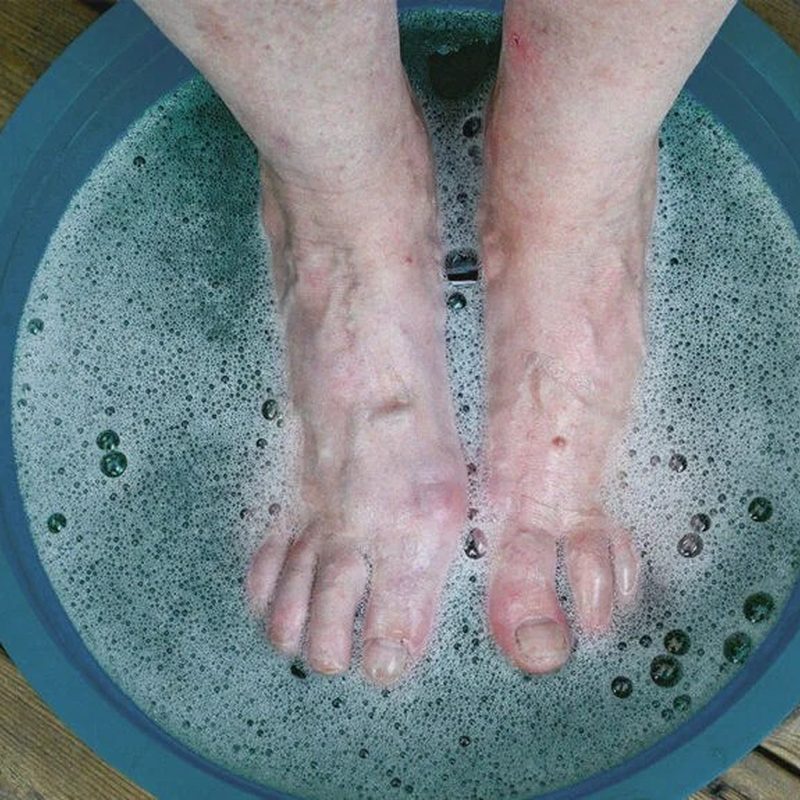
Before diving into the pedicure process, proper preparation is key to achieving salon-quality results. Start by removing any old nail polish with a gentle, acetone-free remover to protect your nails from dryness. Next, soak your feet in warm water mixed with Epsom salts or a mild foot soak solution—it softens the skin and relaxes your muscles. This step also helps loosen dead skin, making exfoliation more effective.
After soaking for 10 to 15 minutes, pat your feet dry with a clean towel. At this point, use a foot file or pumice stone on rough areas like heels and calluses to smooth the skin. Don’t be too aggressive; gentle, circular motions work best to avoid irritation. Preparing your feet properly sets the foundation for a flawless pedicure.
Making foot care a regular habit helps prevent issues such as cracked heels and dry skin. For an added touch, applying a nourishing cuticle oil before you start the next steps can soften your cuticles and make trimming easier.
Step-by-Step Guide on How to Do Pedicure at Home
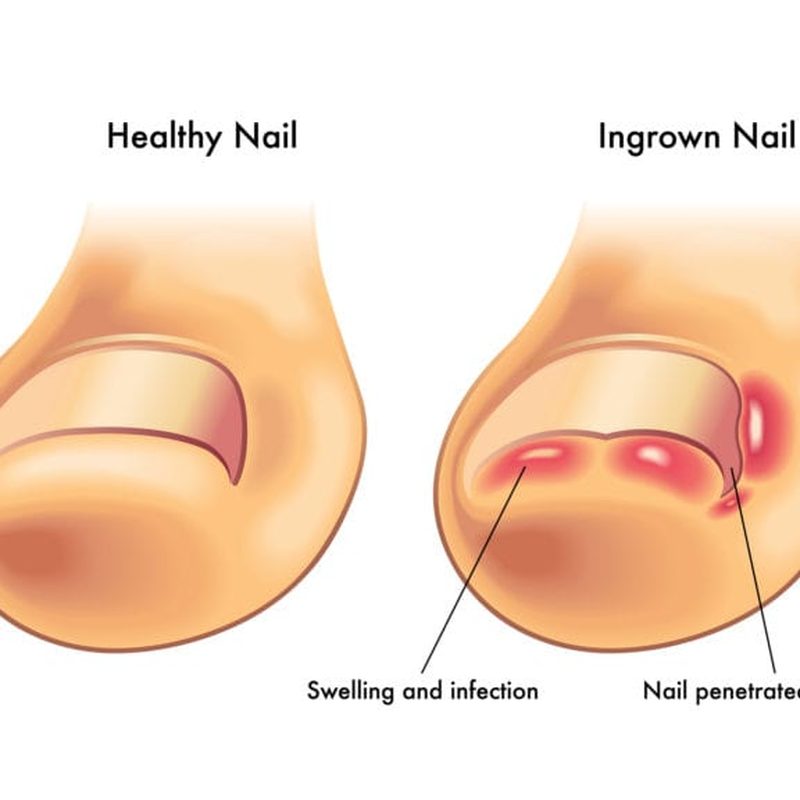
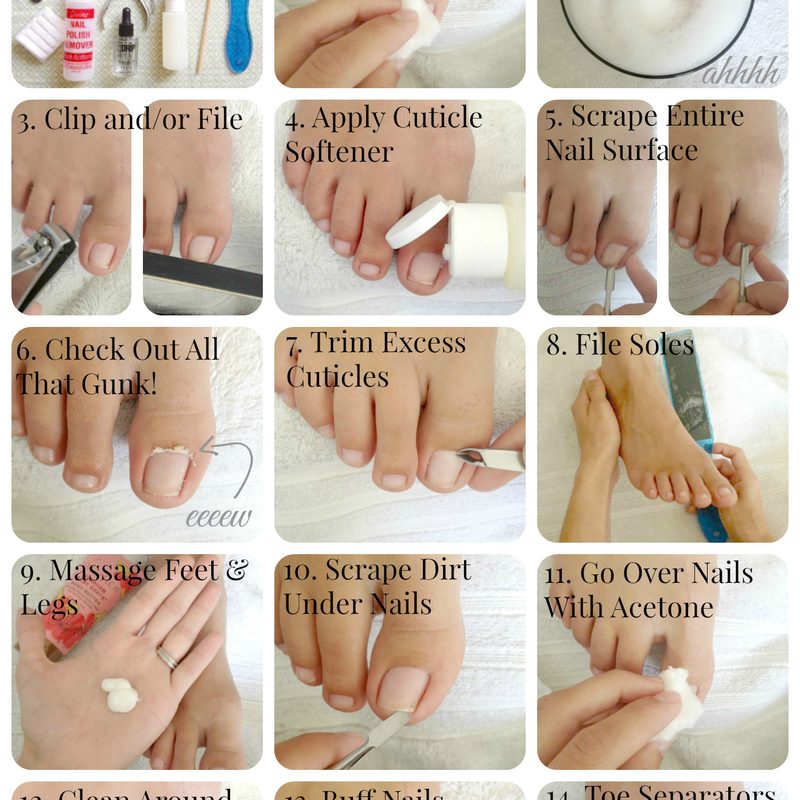
Knowing how to do pedicure at home involves mastering each step carefully. After soaking and exfoliating, trim and file your toenails straight across to avoid ingrown nails. Use a clean nail clipper and a fine-grit nail file to smooth any sharp edges. Next, gently push back your cuticles with a wooden stick or cuticle pusher, avoiding cutting them to prevent infections.
Once your nails and cuticles are prepped, it’s time to moisturize. Apply a rich foot cream or lotion and massage it into your feet and calves to boost circulation and relaxation. This step not only softens your skin but also prepares your nails for polish.
If you want to add polish, start with a base coat to protect your nails, then apply two thin layers of your favorite color. Finish with a top coat for shine and longevity. Allow each layer to dry completely before applying the next to avoid smudges.
Choosing the Right Tools and Products for Your DIY Pedicure
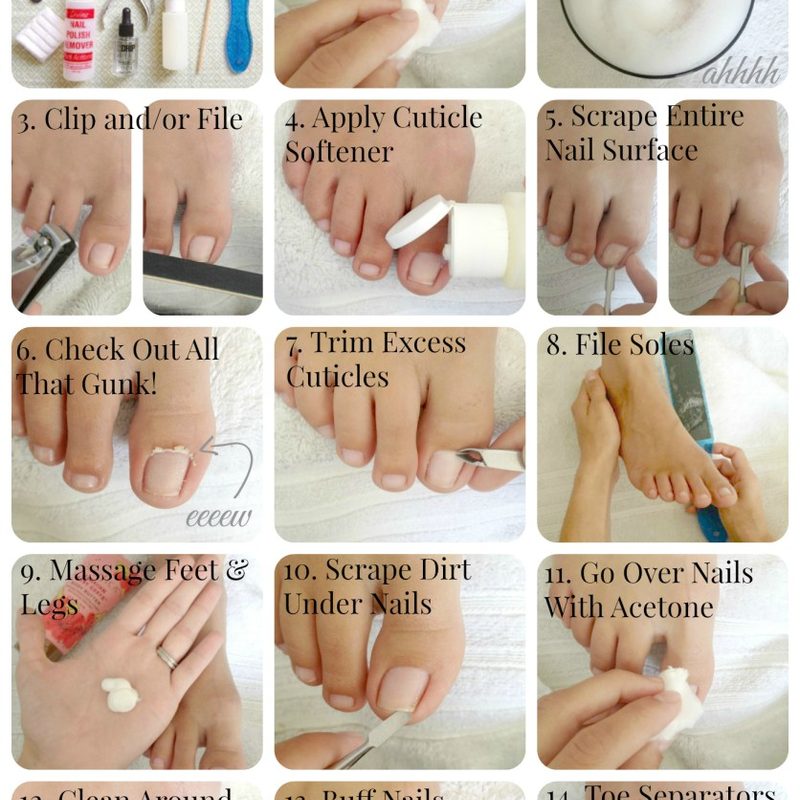
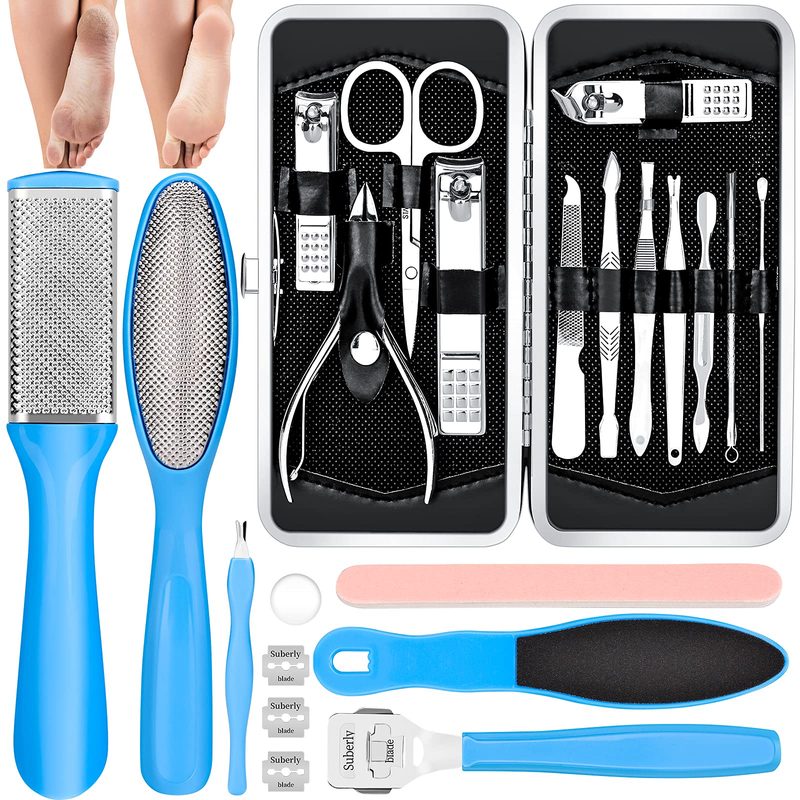
Success in how can I do pedicure at home depends heavily on having the right tools. Invest in a quality foot soak basin or use a clean tub that fits your feet comfortably. A pumice stone or foot file is necessary for removing dead skin, while nail clippers and a variety of nail files will help shape your nails precisely.
For cuticle care, a gentle cuticle remover and a soft cuticle stick make a big difference in achieving a polished look. Moisturizers with ingredients like shea butter or urea are ideal for hydrating tough skin. When it comes to polish, choose non-toxic brands with good pigment and durability to ensure your manicure lasts.
Cleaning and sanitizing your tools before and after every use is essential to avoid infections. Keep your kit organized to streamline your at home pedicure steps and make the process more enjoyable.
Tips for Maintaining Foot Health Between Pedicures
Regular pedicures are wonderful, but your foot health depends on daily care between sessions. Wearing comfortable, breathable shoes and clean socks can prevent blisters and fungal infections. Keep your feet dry and change socks daily to minimize bacteria buildup.
Moisturize your feet every night, especially on dry areas like heels and soles. For persistent rough patches, using a foot scrub once or twice a week will help maintain smooth skin. Additionally, if you experience any foot pain or discomfort after a pedicure, it’s important to address it promptly — you can explore causes and remedies in Toe Pain After Pedicure: Causes and Remedies.
Keeping toenails trimmed and maintaining good hygiene practices contribute significantly to overall foot health and confidence when you go barefoot.
When to Seek Professional Help and Medical Pedicure Options
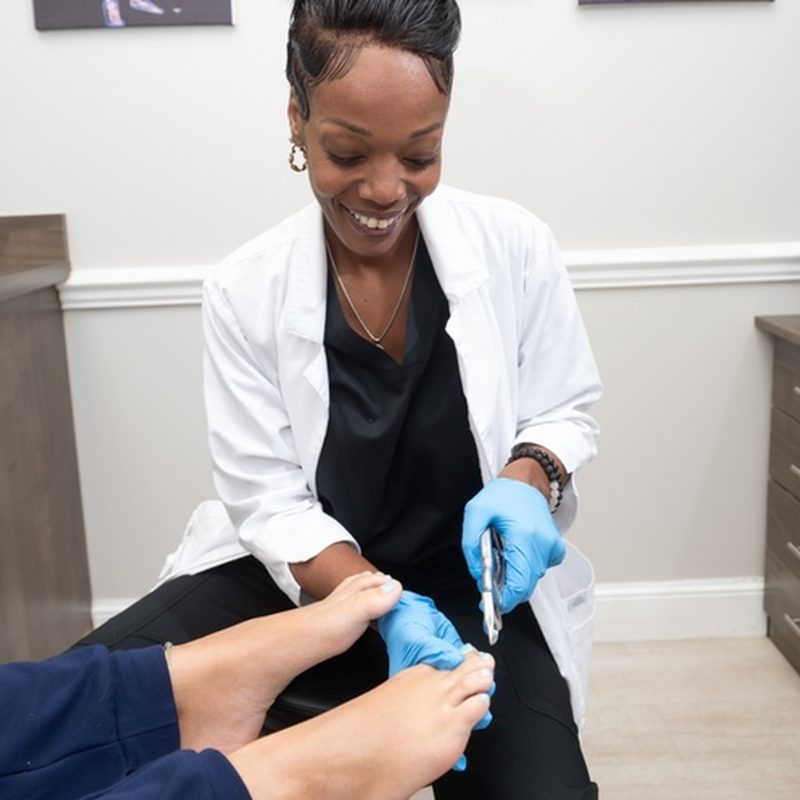
While DIY pedicures are convenient, some foot conditions require professional attention. If you notice persistent nail discoloration, thickening, or fungal infections, it’s best to consult a podiatrist. Similarly, diabetics or those with circulation problems should approach pedicures cautiously to avoid complications.
Medical pedicures offer specialized care for these concerns. These treatments combine the aesthetic benefits of a pedicure with medical expertise to safely address nail and skin issues. If you’re curious about finding a medical pedicure near you, check out Medical Pedicure Near Me: What to Know Before Booking for helpful insights.
Knowing when to hand over care to a pro ensures your feet stay healthy without risking injury or infection. An informed approach balances self-care with expert advice.
Frequently Asked Questions
How often should I do a pedicure at home?
It’s ideal to do a pedicure at home every 2 to 4 weeks, depending on your foot care needs. Regular maintenance keeps skin soft and nails healthy without over-exfoliating. Between sessions, daily moisturizing and foot hygiene help maintain results.
Can I use regular nail polish for a pedicure at home?
Yes, regular nail polish works fine for an at-home pedicure. However, for best results, use a base coat and top coat to protect nails and extend wear. Non-toxic or breathable polishes are gentler on nails if you paint frequently.
What if I get pain or infection after a DIY pedicure?
If you experience pain, redness, or swelling after a DIY pedicure, stop further treatment and clean the area gently. Persistent symptoms may require medical attention. Learn more about causes and remedies for pain in Toe Pain After Pedicure: Causes and Remedies.
How can I make my at home pedicure last longer?
To extend the life of your pedicure, ensure nails are clean and dry before polishing. Apply thin coats, allow proper drying time, and seal edges with topcoat. Avoid walking barefoot on rough surfaces and moisturize daily.
Is a medical pedicure necessary for everyone?
Medical pedicures are specialized treatments recommended for people with foot problems such as diabetes, fungal infections, or thickened nails. Otherwise, a standard pedicure at home or salon is sufficient for most healthy individuals.
Mastering how can i do pedicure at home empowers you to keep your feet looking and feeling their best without the need for costly salon visits. With proper preparation, the right tools, and consistent care, you can enjoy smooth, healthy feet all year round. Take the first step today by gathering your supplies and following these pedicure at home steps for a relaxing, professional-quality experience in your own space.