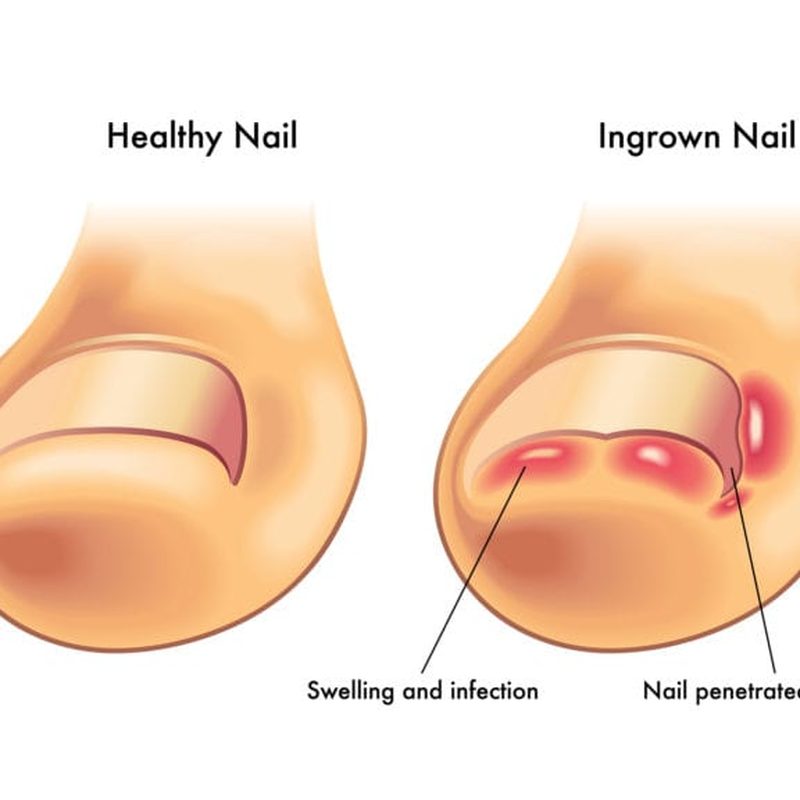
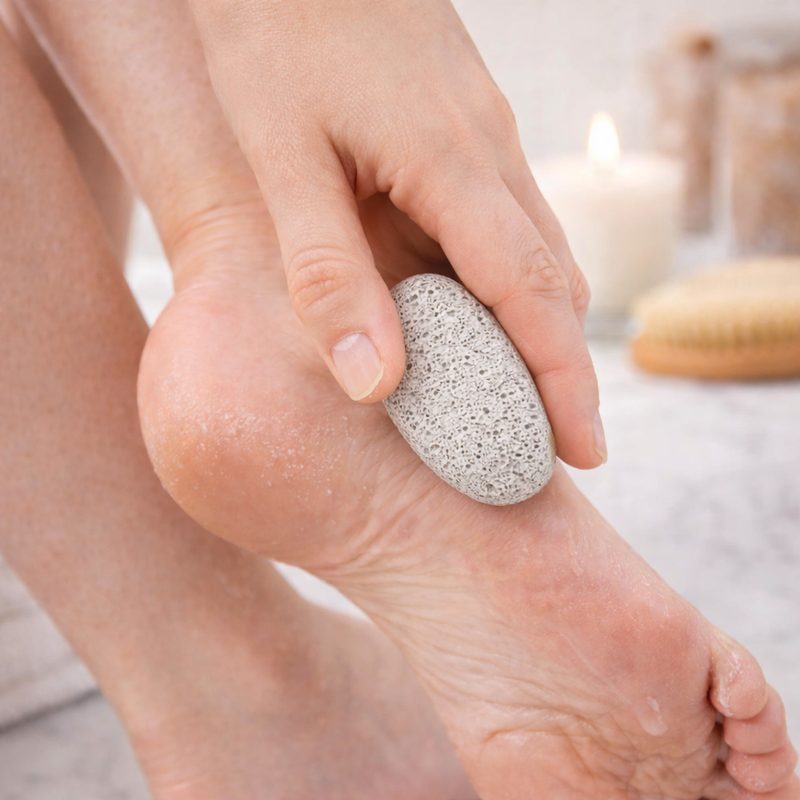
It’s frustrating to slip on your favorite sandals only to notice rough, dry patches or calluses on your feet. The secret weapon many nail salons and beauty enthusiasts swear by is the pumice stone for pedicure. This simple, natural exfoliating tool helps erase dead skin and smooth out rough areas, restoring softness and confidence to tired feet. Whether you’re prepping for a professional pedicure or maintaining your pedicure at home, understanding how to use a pumice stone for pedicure effectively can make all the difference in your foot care routine.
In this article:
- Why Choose a Pumice Stone for Pedicure Over Other Tools?
- How to Use a Pumice Stone for Pedicure Correctly
- Benefits of Regular Use of a Pumice Stone for Pedicure
- Choosing the Right Pumice Stone for Pedicure
- Safety Tips and Precautions When Using a Pumice Stone for Pedicure
- Enhancing Your Pedicure with a Pumice Stone Routine
Why Choose a Pumice Stone for Pedicure Over Other Tools?
When it comes to foot care, many options promise smooth skin, but a pumice stone stands out for its natural texture and gentle exfoliating power. Unlike metal files or harsh scrubs, pumice stones come from volcanic rock, offering a porous surface that buffs away dead skin without causing irritation. This makes it ideal for sensitive feet or those prone to dryness and cracking. Additionally, pumice stones are affordable, reusable, and easy to incorporate into any pedicure treatment.
Unlike chemical exfoliants, pumice stones provide immediate results by physically sloughing off rough patches. This tactile approach lets you control pressure and focus on problem areas, ensuring a personalized treatment. Plus, pumice stones are eco-friendly, requiring no batteries or electricity, making them a sustainable choice for your beauty regimen.
For those curious about combining tools, pumice stones complement moisturizing and nail care products perfectly, enhancing the overall pedicure experience. If you’re interested in more specialized foot care options, consider exploring a reflexology pedicure near me for a holistic approach to relaxation and foot health.
How to Use a Pumice Stone for Pedicure Correctly
Using a pumice stone for pedicure is straightforward but requires technique to protect your skin. Begin by soaking your feet in warm water for 10 to 15 minutes to soften dead skin cells. This step makes exfoliation smoother and prevents irritation. After soaking, gently rub the pumice stone in circular motions over callused or rough areas, avoiding excessive pressure which can cause discomfort or damage.
Pay special attention to the heels, balls of your feet, and sides of the toes, where calluses often form. Rinse the pumice stone regularly during use to clear away dead skin particles and maintain effectiveness. After exfoliating, wash your feet thoroughly and apply a rich moisturizer or foot cream to replenish hydration.
To keep your pumice stone clean and safe, rinse it under running water after every use and air dry completely. For deeper foot care, you might want to complement your routine with a professional pedicure treatment, such as those described in the guide to pedicure for cracked heels.

Benefits of Regular Use of a Pumice Stone for Pedicure
Regularly incorporating a pumice stone for pedicure into your foot care regimen can significantly improve skin texture and overall foot health. By removing dead skin, you prevent the buildup that leads to painful cracks and dry patches. This helps maintain softness and reduces the risk of infections, especially in areas prone to thickened calluses. Smooth feet also enhance the appearance and feel of your pedicure polish.
Furthermore, exfoliating with a pumice stone promotes better circulation in your feet. The gentle massaging action stimulates blood flow, which can be soothing after a long day on your feet. This contributes to healthier skin renewal and relieves minor aches or tension related to standing or walking.
Over time, consistent use can reduce uncomfortable foot odors caused by dead skin and bacteria accumulation. For those who want to explore different pedicure styles or maintain salon results longer, consider reading about the best pedicure in Greensboro for luxurious foot care options.

Choosing the Right Pumice Stone for Pedicure
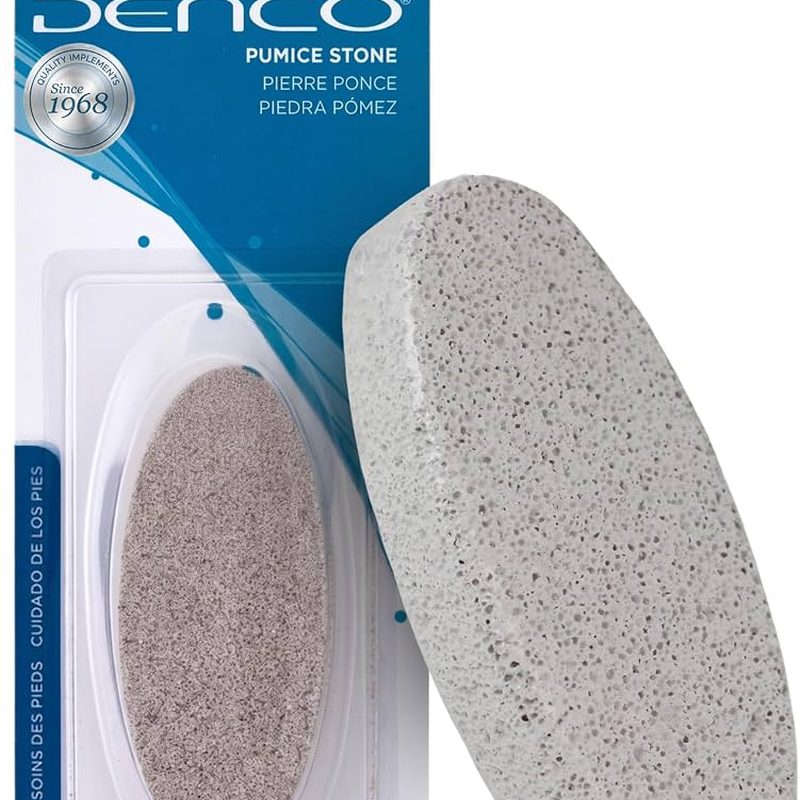
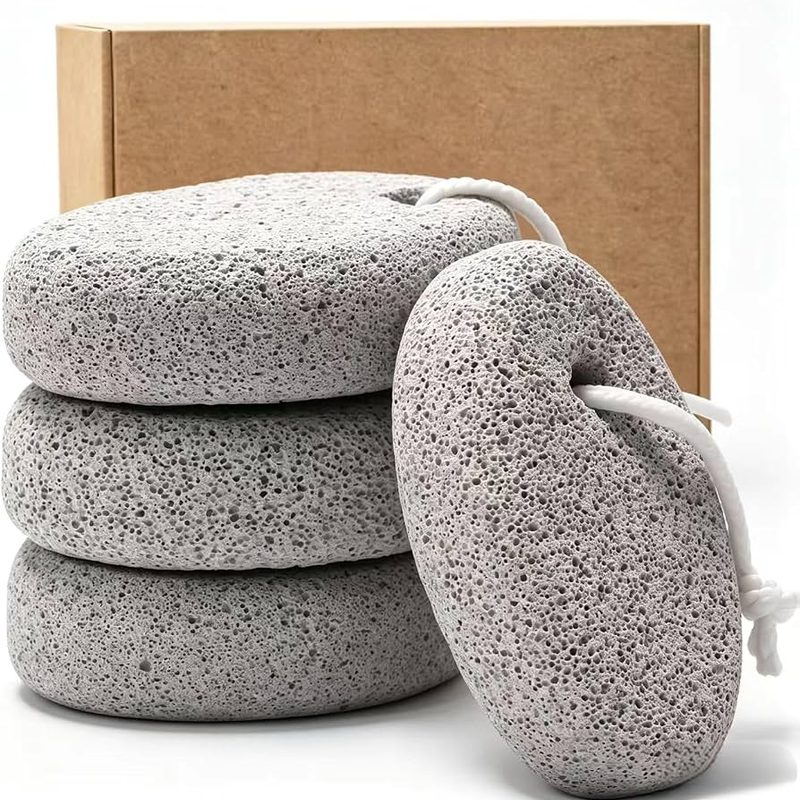
Not all pumice stones are created equal. When selecting one for your pedicure routine, consider the stone’s texture and size. Coarser stones work best for thick calluses but should be used with caution to avoid skin abrasion. Finer pumice stones are ideal for delicate or sensitive skin areas, providing gentle exfoliation without irritation.
Size and shape matter, too. Larger pumice stones offer more surface area, which is great for covering broad areas like heels, while smaller or handheld shapes give you better control on toes and curves. Many pumice stones come with handles or straps for easy grip, enhancing safety and comfort during use.
Remember to replace your pumice stone every few months or when it begins to wear down and lose its abrasive quality. If you’re looking for comprehensive nail and foot care services, including expert guidance on exfoliating tools, check out manicure services at Nails by Helen to complement your pedicure regimen.
Safety Tips and Precautions When Using a Pumice Stone for Pedicure
While pumice stones are generally safe, improper use can lead to skin irritation or injury. Avoid using a pumice stone on broken skin, wounds, or areas with infections to prevent exacerbating these conditions. People with diabetes or poor circulation should consult a healthcare professional before using pumice stones due to increased risk of complications.
Do not overuse the stone — limit exfoliation to two or three times per week to allow your skin to renew naturally. Always follow exfoliation with thorough moisturizing to maintain skin barrier health. If you experience persistent redness, soreness, or bleeding, discontinue use and seek professional advice.
Combining pumice stone foot care with regular professional pedicures can enhance results and safety. For specialized treatments catering to comfort and skin health, consider scheduling a reflexology pedicure near me for expert care and relaxation.
Enhancing Your Pedicure with a Pumice Stone Routine
A pumice stone for pedicure is an excellent addition to elevate your foot care beyond the basics. Pair it with soaking treatments, moisturizing balms, and nail shaping for a complete pedicure experience that you can customize. Using the pumice stone before polishing ensures a smooth surface, helping nail polish adhere better and last longer.
For those who enjoy home pedicures, setting aside dedicated time for a full foot care ritual can turn a routine chore into a relaxing self-care practice. Adding quality tools and products, along with consistent use of a pumice stone, results in feet that feel pampered and look polished.
If you want to take your pedicure to the next level, exploring professional options designed for specific needs might be worthwhile. For example, learning how often men should get pedicures can guide your maintenance schedule; check out how often should a man get a pedicure for optimal foot care for helpful tips.
Frequently Asked Questions
How often should I use a pumice stone for pedicure?
For most people, using a pumice stone two to three times a week is sufficient to maintain smooth feet without over-exfoliating. Overuse can lead to irritation or skin damage. Always soak your feet beforehand to soften dead skin and follow with moisturizer to keep skin hydrated.
Can I use a pumice stone for pedicure on cracked heels?
Yes, a pumice stone can be effective for gently exfoliating cracked heels by removing thickened skin. However, it’s important to soak your feet first and avoid aggressive scrubbing to prevent worsening cracks. Follow up with a nourishing foot cream to promote healing. For expert advice, you might explore specialized pedicure for cracked heels.
Is a pumice stone safe for sensitive skin?
People with sensitive skin should opt for a finer-textured pumice stone and use it gently to avoid irritation. Always test on a small area first and limit exfoliation frequency. Consult a dermatologist if you have concerns about skin sensitivity or conditions like eczema.
How do I clean and maintain my pumice stone for pedicure?
After each use, rinse your pumice stone under warm water to remove dead skin cells. Let it air dry completely in a well-ventilated area to prevent bacteria growth. Replacing the stone every few months ensures optimal exfoliating power and hygiene.
Can men benefit from using a pumice stone for pedicure?
Absolutely. Men can benefit greatly from using a pumice stone to remove calluses and maintain healthy, smooth feet. Incorporating this tool into regular foot care routines can improve comfort and appearance, as detailed in how often should a man get a pedicure for optimal foot care.
Using a pumice stone for pedicure remains one of the most effective and affordable ways to keep your feet soft, healthy, and free from rough patches. With proper technique and consistent care, it enhances any foot care routine, whether at home or before a professional treatment. Start incorporating a pumice stone today and take the first step toward beautifully smooth feet. For further inspiration, explore our expert guides on pedicure treatments and foot care services.