Anyone who has ever struggled with smudged nail polish after a pedicure knows the value of proper tools, especially toe separators for pedicures. These unassuming accessories keep toes comfortably apart, allowing polish to dry evenly without smudging. Whether you’re a DIY nail artist or a salon regular, toe separators can transform your pedicure experience by preventing messy mistakes and enhancing comfort.
Despite their simple design, toe separators play a crucial role in foot care, improving the overall outcome and longevity of your polish. This article explores the best types of toe separators, how to use them effectively, and the benefits beyond just keeping toes apart.
In this article:
- Why Toe Separators for Pedicures Are a Game-Changer
- Choosing the Right Toe Separators for Pedicures
- How to Use Toe Separators for Pedicures at Home
- Toe Separators and Foot Health: More Than Just Nail Care
- Maintaining and Cleaning Your Toe Separators for Pedicures
- Enhancing Your Pedicure Experience with Toe Separators
Why Toe Separators for Pedicures Are a Game-Changer
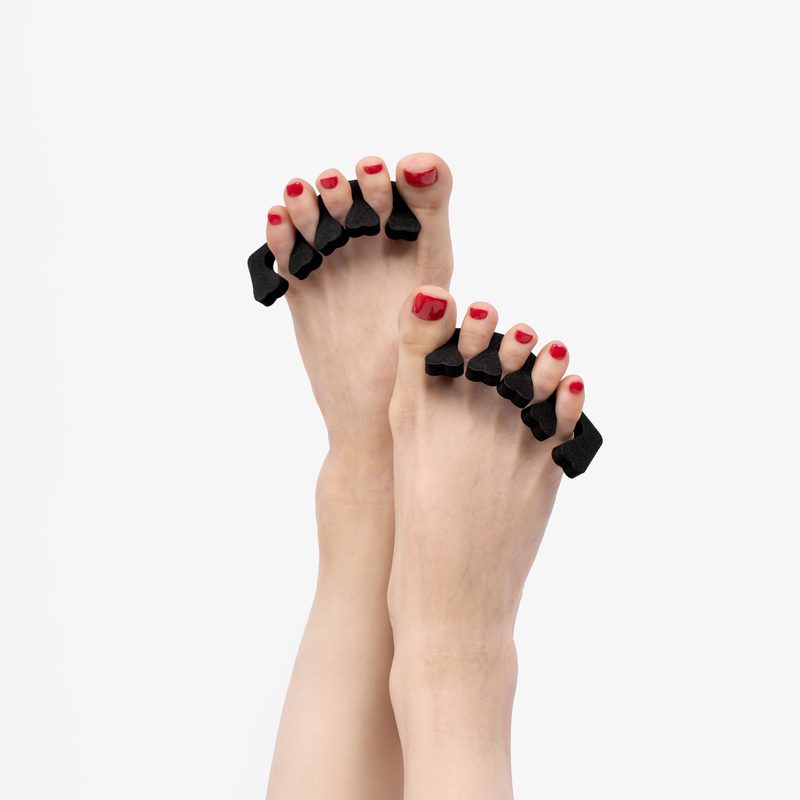
Toe separators are more than just spa-day luxuries—they’re a practical tool that ensures your pedicure looks flawless longer. By preventing toes from touching, they eliminate the risk of smudges and dents in your polish, which is especially important for intricate nail art or gel polish.
Beyond aesthetics, separators improve comfort during the drying process. Keeping toes aligned reduces irritation and makes it easier to relax while your polish sets. For individuals with crowded toes or foot deformities, separators can provide gentle correction and better spacing.
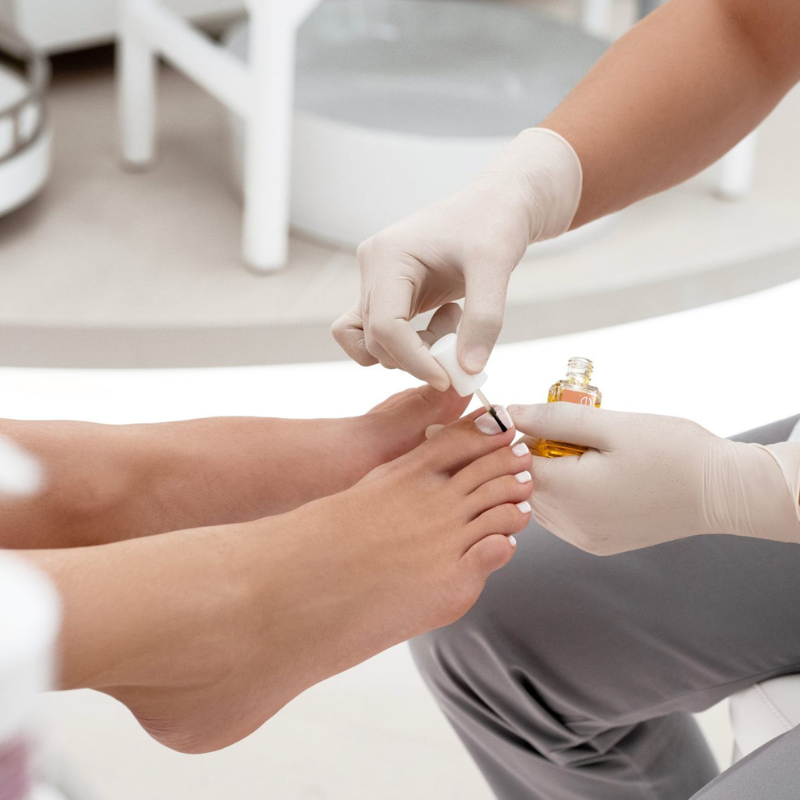
Professional nail salons rely on quality toe separators to speed up service and deliver consistent results. For home pedicures, investing in cushioned or gel-based separators can replicate that professional feel and boost your confidence in your nail care routine.
Choosing the Right Toe Separators for Pedicures
Not all toe separators are created equal. When selecting toe separators for pedicures, consider material, comfort, and durability. Silicone and gel separators offer a soft, flexible fit that molds gently to the toes, making them ideal for longer wear.
Foam separators are common in salons for their affordability and ease of use but may lack the comfort needed for sensitive feet. For those with specific foot concerns, orthopedic toe separators provide additional support and may help with alignment issues.
Size matters too—too tight or too loose separators can cause discomfort or fail to keep toes apart properly. Some brands offer adjustable options or come in various sizes to better accommodate different foot shapes, ensuring an effective and pleasant pedicure session.
How to Use Toe Separators for Pedicures at Home
Using toe separators for pedicures at home is straightforward but requires some small techniques for the best results. After cleansing and prepping your feet, place the separator gently between each toe, ensuring they fit snugly without pinching.
Once your nail polish is applied, the separators keep toes apart while the polish dries, reducing smudging risk. It’s best to wait until the polish is completely dry before removing the separators to avoid damaging your manicure.
For gel polish, toe separators are particularly helpful during the curing process under UV lights. They prevent toes from touching the surface or each other, allowing the gel to harden evenly and last longer.
Toe Separators and Foot Health: More Than Just Nail Care
While toe separators are best known for preventing polish smudges, they also contribute to overall foot health. Separating the toes can improve circulation and reduce friction, which helps prevent blisters and calluses, especially during pedicures.
Some people use toe separators as part of foot care routines to alleviate discomfort from bunions, overlapping toes, or hammertoes. By encouraging proper toe alignment, these accessories can ease pressure and improve foot posture over time.
In salons, combining toe separators with treatments like a spa pedicure enhances both relaxation and therapeutic benefits, giving your feet a moment of rejuvenation beyond just cosmetic care.
Maintaining and Cleaning Your Toe Separators for Pedicures
Repeated use of toe separators requires proper cleaning to maintain hygiene and prolong their lifespan. Silicone and gel separators can be washed with mild soap and warm water after each use, then air-dried thoroughly to prevent bacteria buildup.
Foam separators, often disposable in salons, can be reused at home if cleaned carefully, but they tend to degrade faster. Regularly inspect your separators for tears or hardening, which can cause discomfort or ineffective toe spacing.
Storing toe separators in a clean, dry container protects them from dust and damage, ensuring they’re ready whenever you want a perfect pedicure. Keeping your tools in good condition is as vital as choosing the right nail polish technique.
Enhancing Your Pedicure Experience with Toe Separators
Incorporating toe separators for pedicures can elevate your routine from basic grooming to a relaxing self-care ritual. They allow you to focus on detailed nail art, confident that your polish will dry perfectly without smudges.
Combine separators with other pedicure essentials like foot soaks, scrubs, and moisturizing treatments for a comprehensive foot care session. You can also explore professional services such as a hot stone massage pedicure to complement the benefits of well-spaced toes and pampered skin.
Ultimately, using toe separators supports both the aesthetic and health aspects of pedicures, making every step in your foot care routine more effective and enjoyable.
Frequently Asked Questions
Are toe separators necessary for every pedicure?
Toe separators are not mandatory but highly recommended to prevent smudging and ensure even drying of nail polish. They are especially useful when applying gel polish or intricate nail art, as they keep toes from touching and help maintain a clean finish.
Can I reuse foam toe separators for multiple pedicures?
Foam toe separators can be reused if cleaned carefully, but they tend to wear out quickly and may harbor bacteria. Silicone or gel separators are more durable and hygienic choices for repeated use.
What material is best for toe separators during gel polish pedicures?
Silicone and gel separators are ideal for gel polish pedicures because they are soft, flexible, and comfortable, making it easier to keep toes apart during curing without irritation.
Can toe separators help with foot alignment or medical issues?
Yes, some toe separators are designed to gently realign toes and relieve pressure from bunions or hammertoes. However, for significant medical concerns, consulting a podiatrist is recommended.
How do I clean and maintain my toe separators for pedicures?
Wash silicone or gel toe separators with mild soap and warm water after each use, then air dry completely. Foam separators should be replaced regularly. Proper cleaning helps prevent infections and prolongs the life of your separators.
Toe separators for pedicures are essential tools that enhance both the appearance and comfort of your nail care routine. By choosing the right type and maintaining them properly, you can enjoy flawless polish application and even improve your foot health. Whether at home or in a salon, incorporating toe separators elevates every pedicure experience. Ready to upgrade your foot care? Try quality toe separators today and step confidently into your next pedicure.