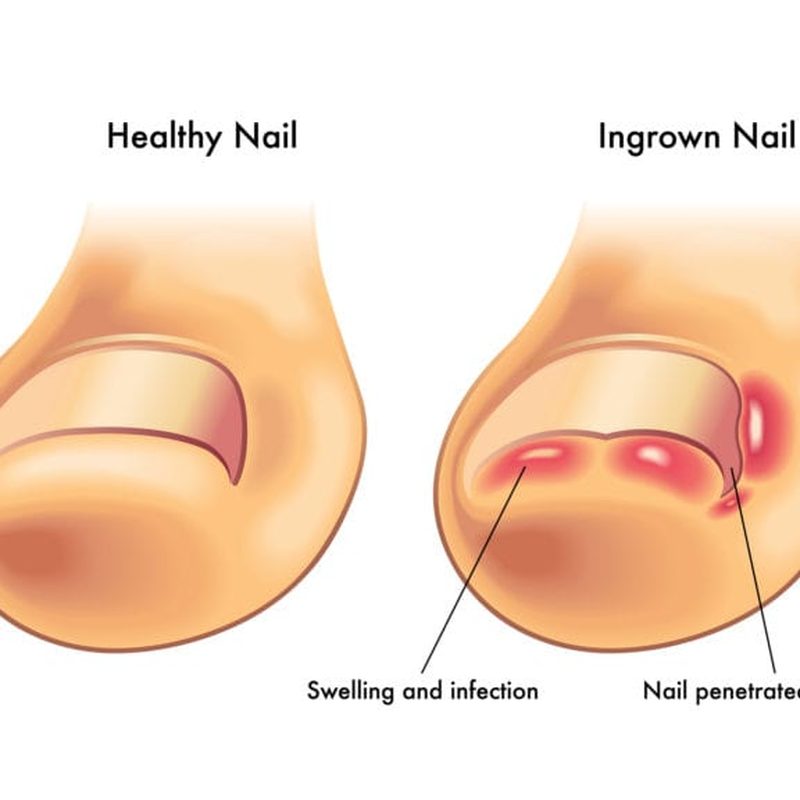
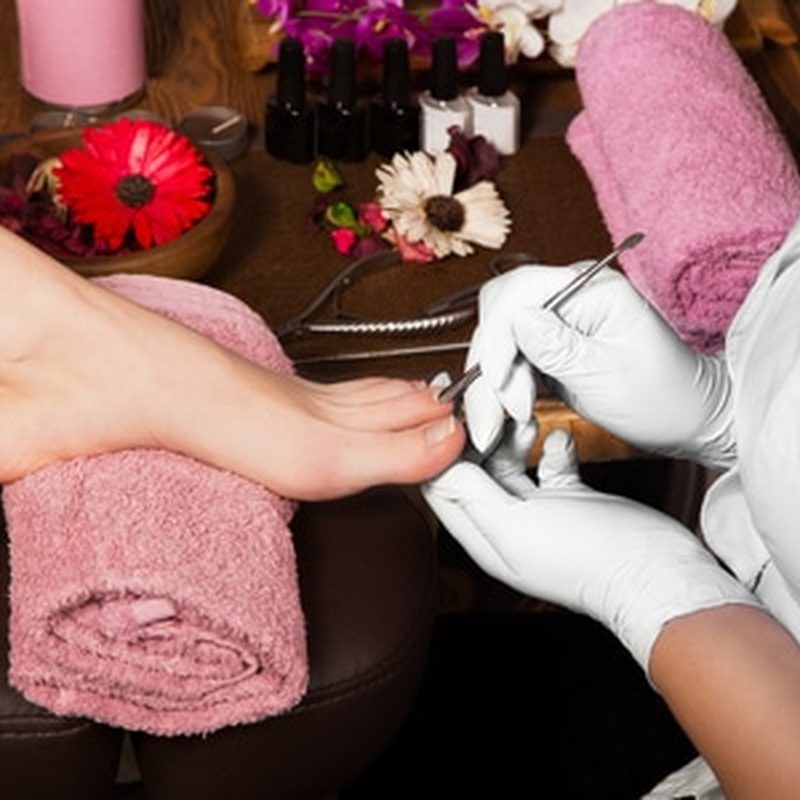
It’s a common dilemma: you want to treat yourself to a relaxing pedicure, but you’ve noticed a wart on your foot. The question “can you get a pedicure with a wart” pops up, bringing concerns about hygiene, safety, and spreading the infection. Warts, especially plantar warts, can be stubborn and contagious, making nail salons cautious about services. However, with the right precautions and understanding, it’s possible to enjoy nail care while managing this skin issue. This article explores the key considerations, professional guidelines, and expert advice to help you navigate getting a pedicure safely when you have a wart.
In this article:
- Understanding Warts and Their Impact on Pedicures
- Can You Get a Pedicure With a Wart? Salon Policies and Precautions
- Pedicure With a Plantar Wart: Risks and How to Minimize Them
- At-Home Pedicure Tips When You Have a Wart
- When to Avoid Getting a Pedicure With a Wart
- How to Talk to Your Nail Technician About Warts
Understanding Warts and Their Impact on Pedicures
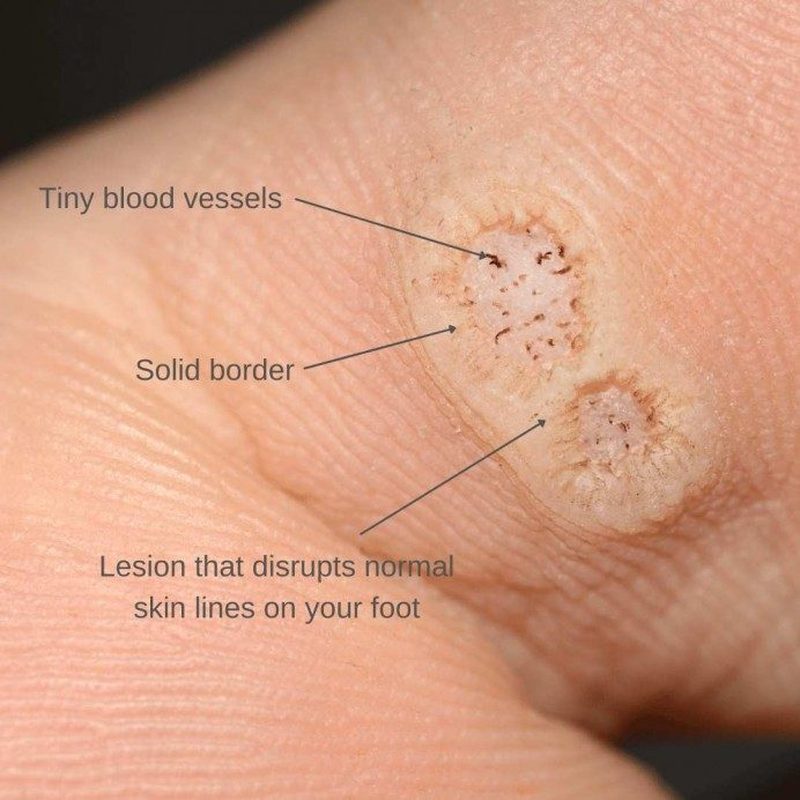
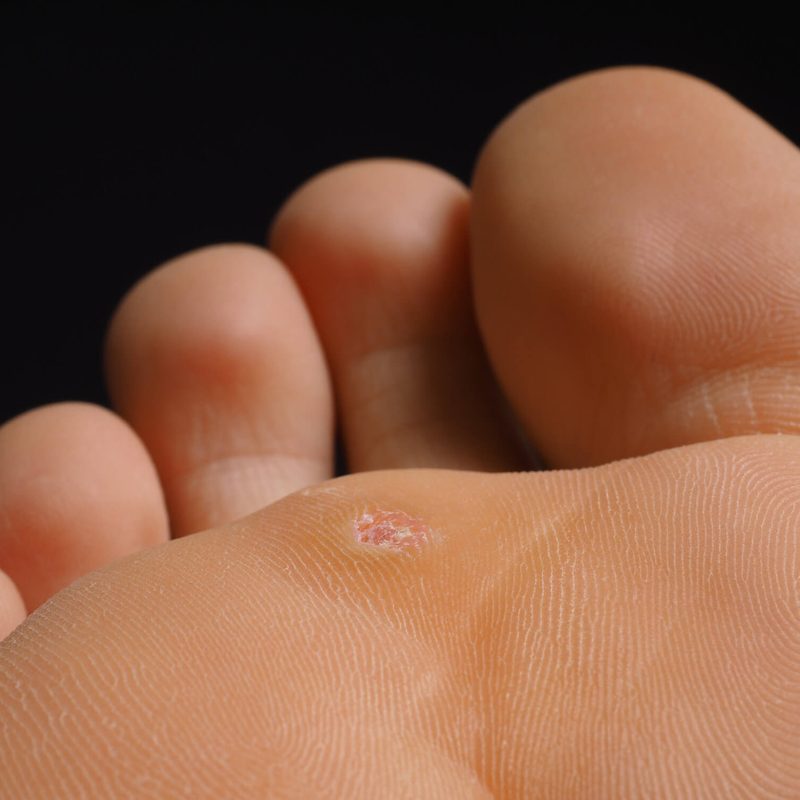
Warts are caused by the human papillomavirus (HPV), which leads to rough skin growths usually found on hands and feet. Plantar warts, in particular, grow on the soles, making them more sensitive and potentially painful when walking. Because warts are contagious, they can spread through direct contact or shared surfaces, raising concerns in salons.
When you ask, “can you get a pedicure if you have warts,” it’s essential to understand that not all warts are the same. Some might appear small and harmless, while others can be more extensive or irritated. The location and state of the wart influence whether a pedicure is advisable.
For nail technicians, preventing cross-contamination is a priority. This means that infected skin areas require extra caution, and in some cases, service refusal to protect other clients. Communicating openly with your nail technician about your wart is crucial for a safe and comfortable experience.
Can You Get a Pedicure With a Wart? Salon Policies and Precautions
Many salons hesitate to provide pedicures if you have visible warts due to the risk of virus transmission. However, policies vary from salon to salon depending on their hygiene and safety standards. If you’re wondering, “can i get a pedicure with a plantar wart,” you should know that some salons may require a doctor’s note or recommend you postpone treatment until the wart heals.
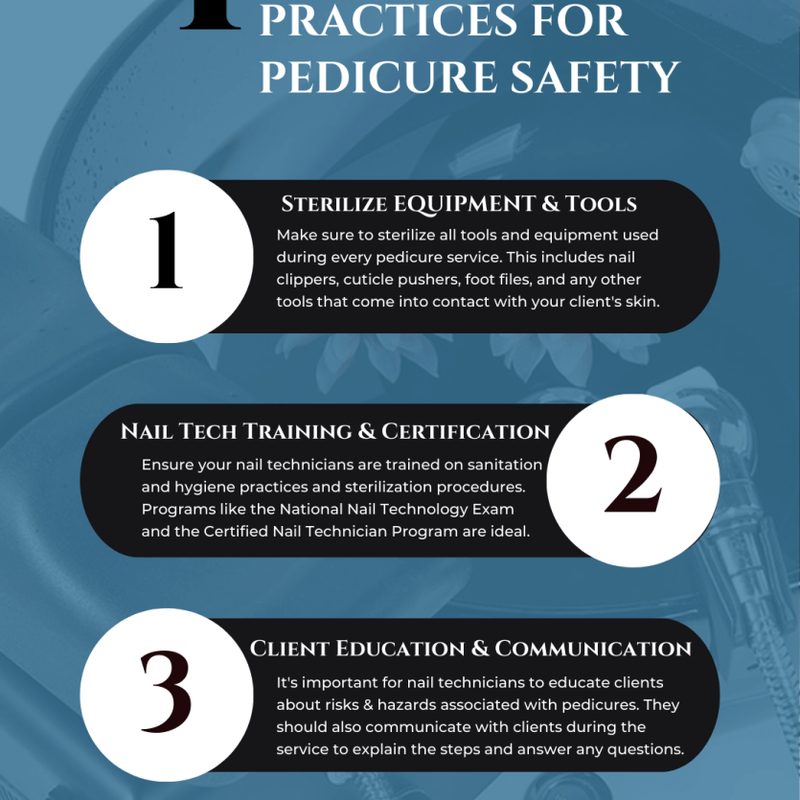
When you decide to get a pedicure with a wart, choosing a salon that follows strict sterilization procedures is essential. Tools should be disinfected properly, and disposable liners or foot baths used to minimize risks. You should also inform your nail technician about the wart so they can adapt their approach.
Additionally, some salons offer specialized treatments like a waterless pedicure that reduces exposure to water and shared soaking tubs. This option might be safer if you have a wart and want to protect both yourself and others during your visit. Learn more about waterless pedicures here.
Pedicure With a Plantar Wart: Risks and How to Minimize Them
Plantar warts pose specific challenges because they reside on weight-bearing areas of the foot and can cause discomfort. When you get a pedicure with a plantar wart, the risk isn’t just spreading HPV to others—it’s also possible to irritate or injure the wart, leading to infections or prolonged healing.
To minimize risks, avoid aggressive scrubbing or using sharp instruments directly on the wart. Instead, focus pedicure treatments on non-infected areas. If you want to soften skin around the wart, opt for gentle exfoliation methods. Share your concerns with your nail technician so they can tailor the treatment accordingly.
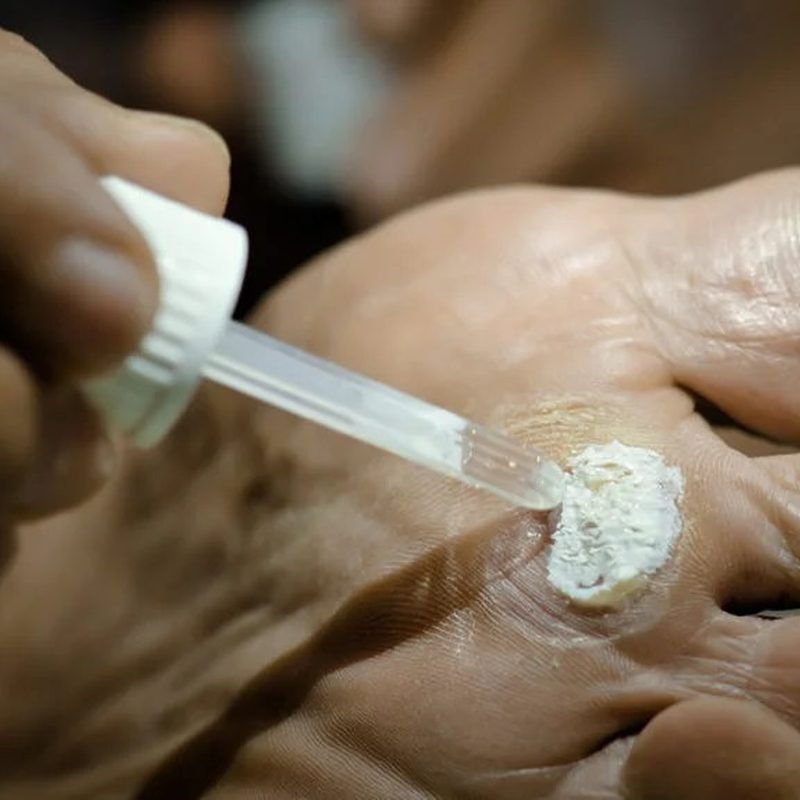
In certain cases, waiting until wart removal or treatment completion may be the safest route. A healthcare professional can recommend options such as cryotherapy or topical treatments to address plantar warts effectively before resuming pedicures.
At-Home Pedicure Tips When You Have a Wart
If visiting a nail salon feels risky or uncomfortable because of a wart, an at-home pedicure is a safe alternative. You can control hygiene, avoid cross-contamination, and manage the wart gently. Clean tools thoroughly with alcohol or boiling water before use and never share them with others.
Start with warm water to soften your feet, but avoid soaking the wart itself too long. Use a pumice stone or gentle file around—but not on—the wart to avoid irritation. Applying moisturizer afterward helps maintain skin health without aggravating the wart.
For detailed guidance on how to do a pedicure at home safely, check out our comprehensive step-by-step guide. It’s an excellent resource to keep your feet groomed while protecting sensitive areas.
When to Avoid Getting a Pedicure With a Wart
Not every wart situation is suitable for a pedicure visit. If the wart is bleeding, painful, or looks infected, it’s best to postpone any salon treatments. Open wounds or irritated skin increase the risk of spreading the virus and developing secondary infections.
Additionally, if you have multiple warts or warts in sensitive locations, consider consulting a dermatologist for treatment first. They can provide safe removal options and advice on when it’s appropriate to resume pedicures.
Remember that nail salons prioritize client safety and may refuse services if they spot active warts. Respecting these policies protects both you and other patrons from potential health risks.
How to Talk to Your Nail Technician About Warts
Open communication is key when dealing with warts and pedicures. Inform your nail technician upfront if you have a wart, so they can take proper precautions. Transparency helps build trust and allows the technician to adjust their techniques to avoid aggravating the wart or risking cross-contamination.
Many professionals appreciate honesty and can recommend safer options or suggest alternative treatments. If you’re unsure about salon policies, call ahead to ask if they accommodate clients with warts and what protocols they follow.
Understanding salon hygiene standards can give you peace of mind. Many nail salons advertise their sterilization practices and specialized pedicure options like the Zero Gravity Pedicure for ultimate comfort and safety.
Frequently Asked Questions
Can you get a pedicure if you have a plantar wart?
Yes, but with caution. Many salons may allow a pedicure if the wart is covered and not actively bleeding or infected. It’s important to inform your nail technician so they can avoid direct contact and use sterilized tools. Alternatively, some salons offer waterless pedicures, which reduce the risk of spreading the virus.
Will a pedicure worsen my wart?
A pedicure done improperly can irritate or worsen a wart, especially if the skin around it is scrubbed aggressively or the wart is cut. To prevent this, avoid direct treatment of the wart and choose gentle care methods. Consulting a healthcare provider before a pedicure is advisable if you have concerns.
How can I protect others when getting a pedicure with warts?
Always inform your nail technician about your wart so they can disinfect tools properly and avoid spreading the virus. Using salons with strict hygiene protocols and disposable liners reduces contamination risk. Avoid pedicures if the wart is open or bleeding to protect yourself and others.
Are there special pedicure types safe for feet with warts?
Yes, waterless pedicures are a safer alternative as they don’t involve soaking the feet in shared basins. This method minimizes virus transmission risk and is gentler on skin with warts. Some salons also offer specialized treatments focused on hygiene and comfort for sensitive feet.
Can I remove a wart at home before getting a pedicure?
While some over-the-counter treatments exist, it’s best to consult a healthcare provider before attempting wart removal. Professional treatments can ensure safe removal and reduce recurrence, making future pedicures safer and more comfortable.
Ultimately, the answer to “can you get a pedicure with a wart” depends on the wart’s condition and the salon’s hygiene standards. Prioritizing safety, open communication with your nail technician, and possibly opting for at-home care or specialized pedicures can help you maintain beautiful feet while protecting your health. If you have a wart, take precautions and choose your pedicure options wisely to enjoy a safe, relaxing experience.