Do pedicures remove calluses? Yes, partly. A pedicure softens and files down the hard, dead layer of a callus, so your feet look and feel smoother right away. But it doesn’t remove a callus for good. Calluses are your skin’s response to pressure and friction, so they grow back if the cause (tight shoes, lots of walking, the way your foot hits the ground) stays the same.
The short version:
- A pedicure reduces a callus – it doesn’t “cure” it.
- A safe salon files or buffs calluses. It should never shave them with a razor or blade.
- If you have diabetes, poor circulation, or a painful or cracked callus, see a doctor or podiatrist first.
Below: what happens to a callus during a pedicure, what to avoid, and how to keep your feet smooth between visits.
- What calluses are and why they form
- What a pedicure does to a callus
- What a safe callus treatment looks like (and what to avoid)
- Does a pedicure work on every callus?
- Will calluses come back after a pedicure?
- How to keep feet smooth between pedicures
- When to see a doctor or podiatrist
- Frequently asked questions
What Calluses Are and Why They Form
Calluses are thick, hardened patches of skin that form where your feet take repeated friction or pressure – usually the heels, the balls of the feet, and the sides of the big and little toes. They’re a protective response: the skin builds up to shield the area underneath. Shoes that don’t fit well, lots of walking or running, and the way your foot strikes the ground all make them more likely.
That’s why a pedicure can make calluses look and feel better, but the cause – the pressure and friction – is what decides whether they come back.
What a Pedicure Does to a Callus
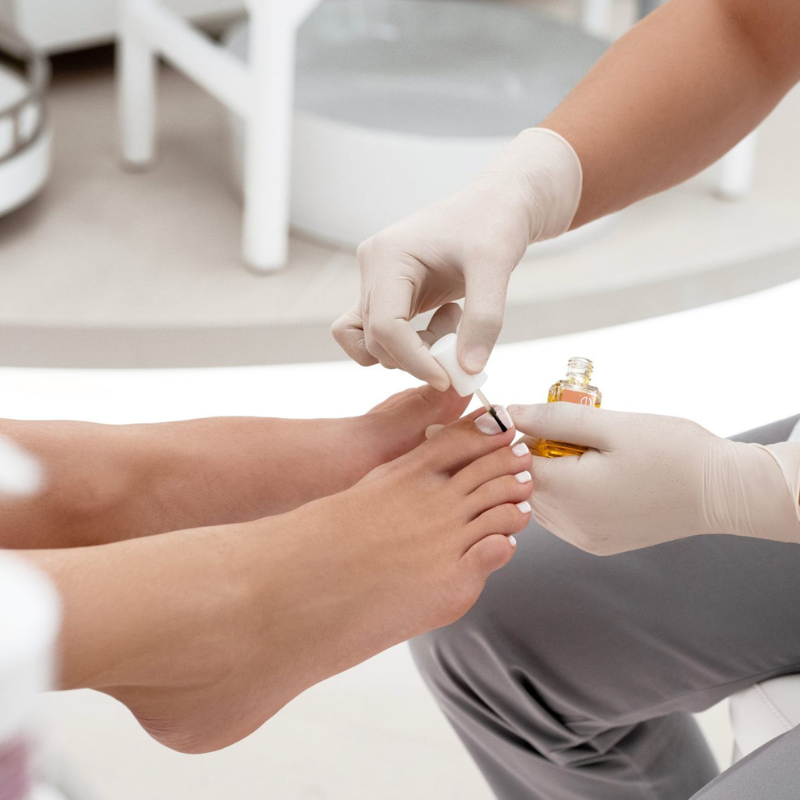
During a professional pedicure, your feet are soaked to soften the skin, then the nail tech uses a pumice stone, foot file, or electric file to gently remove the dead top layers of the callus. The result is smoother, softer skin and less of that hard, rough patch – often with less discomfort when you walk.
Very thick or long-standing calluses may need several visits to reduce, and some need care from a podiatrist instead. For more on the steps, see what happens during a pedicure.
What a Safe Callus Treatment Looks Like (and What to Avoid)
A good nail tech will:
- Soak your feet in warm water for several minutes to soften the skin.
- Gently file the callus with a pumice stone or foot file, taking off only the dead top layer.
- Finish with a thick moisturizer to keep the skin soft.
Red flags – say no if a salon wants to:
- Shave or cut the callus with a razor, blade, or “credo” tool. California’s Board of Barbering and Cosmetology tells customers never to allow a razor-edged tool to remove a callus – the callus should be smoothed, not cut away.
- File until the skin is pink, sore, or bleeding. Dermatologists warn that taking off too much skin can lead to bleeding and infection.
- Use a foot spa that hasn’t been cleaned since the last client. You can ask how and when it was cleaned.
It’s also smart not to shave your legs right before a pedicure, since small nicks can let bacteria in.
Does a Pedicure Work on Every Callus?
Not all calluses respond the same way. Thin, mild calluses often smooth out in a single visit. Very thick or long-standing ones change more slowly and may need regular maintenance.
If you have diabetes or poor circulation, tell your nail tech – and check with your doctor first. Health agencies advise people with diabetes not to cut calluses or use over-the-counter callus removers. See our guide to diabetic pedicures.
Will Calluses Come Back After a Pedicure?
Usually, yes – a pedicure doesn’t remove calluses permanently. As long as the same pressure and friction continue, the skin will thicken again. Pedicures are a way to manage calluses and keep them comfortable, not a one-time fix.
For longer-lasting results, combine pedicures with home care: moisturize, use protective pads on pressure points, and wear shoes that fit well.
How to Keep Feet Smooth Between Pedicures
The American Academy of Dermatology recommends these steps for treating calluses at home:
- Soak the area in warm water for about 5–10 minutes, until the skin softens.
- File gently with a damp pumice stone, using circular or sideways strokes – and don’t take off too much skin.
- Moisturize daily, ideally with a cream containing salicylic acid, ammonium lactate, or urea.
- Use padding, such as moleskin, to reduce rubbing from shoes.
- Wear shoes that fit – not too tight, not too loose.
Dry, cracked skin on the heels needs similar care – see pedicures for cracked heels.
When to See a Doctor or Podiatrist
Pedicures can handle mild to moderate calluses. If a callus becomes painful, cracked, or infected, a podiatrist should evaluate it. They can recommend treatments such as prescription creams, padding, or custom orthotics. If you have diabetes, the AAD advises seeing a dermatologist rather than treating calluses yourself.

Frequently Asked Questions
Do pedicures actually remove calluses completely?
No. Pedicures reduce the thickness and roughness of calluses by filing away dead skin, but calluses come back if the pressure and friction that caused them continue.
How often should I get a pedicure to manage calluses?
Many people book every 4–6 weeks, but it depends on how quickly your calluses build up. Home care between visits makes a big difference.
Can a pedicure remove calluses if I have diabetes?
Check with your doctor first. People with diabetes are advised not to cut calluses or use callus-removal products. Gentle filing may be OK if your doctor approves – see our guide to diabetic pedicures.
Should a salon shave my calluses with a blade?
No. Calluses should be filed or buffed, not shaved or cut. Taking off too much skin can cause bleeding and infection.
What tools do nail techs use on calluses?
Usually a pumice stone, a foot file, or an electric file, used after soaking to gently remove dead skin.
The Bottom Line
So, do pedicures remove calluses? They reduce them – often dramatically – but calluses come back unless you deal with what’s causing them. Think of a pedicure as maintenance: soak, file gently, moisturize, and wear shoes that fit. Skip any salon that wants to shave a callus with a blade, and talk to a doctor or podiatrist first if you have diabetes, poor circulation, or a callus that hurts or cracks.
Sources
- American Academy of Dermatology – How to treat corns and calluses
- California Board of Barbering and Cosmetology – Pedicure safety tips