When preparing for a pedicure, few steps are as crucial as soaking feet for pedicure treatment. It’s not just about relaxation; soaking softens the skin, loosens dead cells, and preps nails for proper care. Yet many skip this step or wonder how long and with what ingredients to soak their feet. Whether you’re heading to a nail salon or pampering yourself at home, knowing the right way to soak your feet can make all the difference in achieving smooth, refreshed, and healthy-looking feet.
In this guide, we’ll explore the benefits of soaking feet for pedicure, share expert tips on how to soak effectively, and address common questions about this essential step. By understanding the importance of a proper foot soak, you’ll elevate your nail care routine and enjoy longer-lasting, salon-quality results.
In this article:
- The Science Behind Soaking Feet for Pedicure
- How to Soak Feet for Pedicure: Best Practices and Tips
- Choosing the Right Foot Soak Ingredients for Your Skin Type
- Soaking Feet for Pedicure: At-Home vs. Salon Experience
- Common Mistakes to Avoid When Soaking Feet for Pedicure
- How Soaking Feet for Pedicure Enhances Nail Polish Longevity
The Science Behind Soaking Feet for Pedicure
Soaking feet for pedicure isn’t just a luxury—it’s a scientifically backed step that prepares your skin and nails for treatment. Warm water softens hardened skin and cuticles, making them easier to trim or push back without damage. Additionally, a good soak can increase blood circulation, promoting foot health and enhancing the overall pedicure experience.
Moreover, soaking helps loosen dirt and bacteria trapped between toes and under nails, reducing the risk of infection. This makes it especially important if you’re dealing with stubborn dead skin or calluses. Some foot soaks also include antibacterial or antifungal ingredients, offering an extra layer of protection before the nail technician begins work.
Understanding these benefits explains why skipping a soak may result in a less effective pedicure, with rough skin or nails that don’t hold polish as well. For anyone seeking a truly refreshing and hygienic foot care session, soaking is the foundational step to get it right.

How to Soak Feet for Pedicure: Best Practices and Tips
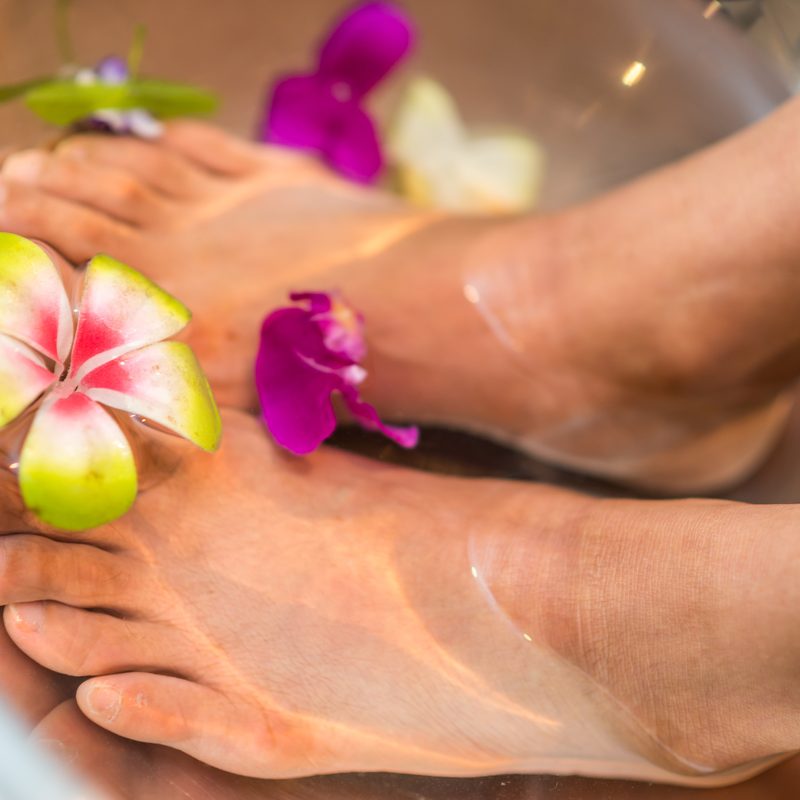
Soaking feet for pedicure is simple but requires attention to detail for best results. Start by filling a basin with warm, not hot, water—comfortable enough to relax but not to irritate sensitive skin. A soak lasting between 10 and 20 minutes is ideal, as longer soaks can cause overhydration, leading to fragile skin.
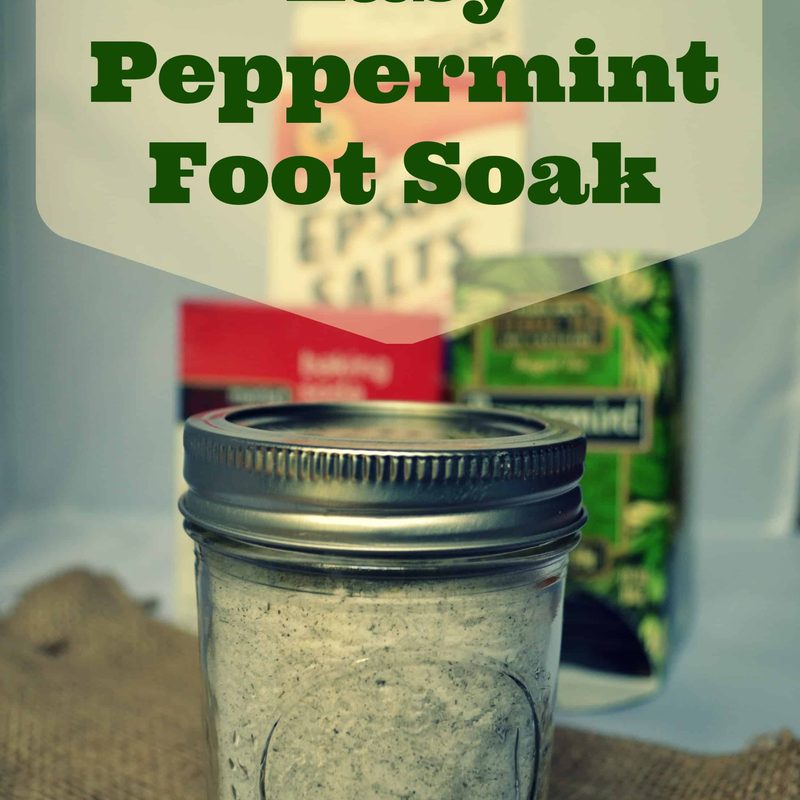
Adding ingredients like Epsom salts, essential oils, or gentle foot soaks can enhance the experience. Epsom salts help reduce swelling and soothe tired muscles, while oils like lavender or tea tree offer antimicrobial benefits. Avoid harsh chemicals or overly scented products that may cause irritation.
After soaking, gently pat your feet dry and follow with nail and skin care steps. Avoid rinsing off any beneficial minerals or oils that remain, as they continue to nourish your skin. This preparation ensures your pedicure lasts longer and feels more refreshing.

Choosing the Right Foot Soak Ingredients for Your Skin Type
Not all foot soaks are created equal. Selecting the right ingredients depends largely on your skin type and any specific foot concerns. For dry or cracked feet, moisturizing additives such as coconut oil or shea butter can soften and hydrate the skin deeply during soaking. Sensitive skin benefits from gentle, fragrance-free solutions to prevent irritation.
If you struggle with fungal infections or athlete’s foot, antimicrobial ingredients like tea tree oil or witch hazel offer natural protection. However, if you have open wounds or conditions like diabetes, consult a professional before choosing soak additives to avoid complications.
Experimenting with different recipes helps you find a personalized soak that fits your needs. For more on safely managing foot conditions during nail care, check out our detailed posts on athlete’s foot pedicure guidelines and pedicure with fungus nails.
Soaking Feet for Pedicure: At-Home vs. Salon Experience
While soaking feet for pedicure is a staple in salons, many enjoy replicating the ritual at home. At a nail salon, professional-grade soaks often contain specialized ingredients and sanitation protocols that ensure safety and effectiveness. Additionally, salon foot baths are regularly disinfected to reduce infection risks.
At home, you have control over the soaking environment and can customize your soak but should maintain hygiene by thoroughly cleaning tubs or basins before use. Avoid sharing foot soak equipment to prevent cross-contamination. Using a clean, dedicated foot basin and changing water between uses is essential for safety.
Whether at home or in a salon, the key is to prioritize cleanliness and comfort. For those interested in alternative options, explore our guide on waterless pedicure near me for refreshing nail care without soaking.
Common Mistakes to Avoid When Soaking Feet for Pedicure
Even the best-intended foot soaks can fall short if common mistakes occur. One frequent error is soaking feet for too long, which leads to overly soft skin that’s prone to tearing and infection. Aim for a balanced soak time to avoid this pitfall.
Another mistake is using water that’s too hot, potentially causing burns or dryness. Always test water temperature before submerging your feet. Overuse of harsh additives or scrubbing immediately after soaking can further irritate sensitive skin, undoing benefits.
Finally, neglecting to dry feet thoroughly after soaking creates a damp environment that encourages fungal growth. Follow proper drying with moisturizing but avoid slippery residues that might hinder nail treatment.
How Soaking Feet for Pedicure Enhances Nail Polish Longevity
Soaking feet for pedicure plays a critical role in ensuring your nail polish stays flawless longer. Softened cuticles and nails allow technicians to prep a clean, smooth canvas by gently pushing back cuticles and removing dead skin cells. This leads to better polish adhesion and a more even finish.
Moreover, removing dirt and oils through soaking prevents polish from lifting prematurely. Well-prepped nails are less prone to chipping and peeling, which means fewer touch-ups between salon visits or self-care sessions.
For insights on maintaining your pedicure after the soak and polish, consider reading our articles on how long does a pedicure last and pedicure timing for expert guidance.
Frequently Asked Questions
How long should I soak my feet for a pedicure?
The ideal soak time ranges from 10 to 20 minutes. This duration softens the skin and nails sufficiently without causing overhydration, which could weaken the skin’s barrier and lead to irritation.
Can I soak my feet every day for a pedicure?
Daily foot soaking is generally not recommended as it may dry out or soften skin excessively. Limiting soaks to once or twice a week ensures skin remains healthy and resilient.
What ingredients should I add to my foot soak for a pedicure?
Gentle ingredients like Epsom salts, baking soda, or essential oils such as lavender or tea tree are popular. Choose additives based on your skin type and avoid harsh chemicals that can cause irritation.
Is it safe to soak feet if I have athlete’s foot?
If you have athlete’s foot, soaking can be risky unless using antifungal additives. Consult a professional and read our detailed guide on getting a pedicure with athlete’s foot before soaking.
Can soaking feet help with calluses before a pedicure?
Yes, soaking softens callused skin, making it easier to remove or exfoliate during the pedicure. However, avoid aggressive scrubbing immediately after soaking to prevent skin damage.
Mastering the art of soaking feet for pedicure enhances every step of your nail care routine. This simple yet essential practice softens skin, preps nails, and boosts polish longevity for a salon-worthy finish. Whether you visit a professional or pamper yourself at home, prioritize a proper soak to ensure healthy, beautiful feet. Start incorporating these expert soaking tips today and enjoy the full benefits of your next pedicure.